Algeria
 Egypt
 Libya
 Morocco
 Sudan
 Tunisia
 Benin
 Burkina Faso
 Cabo Verde
 Côte d'Ivoire
 Ghana
 Guinea
 Guinea-Bissau
 Liberia
 Mali
 Mauritania
 Niger
 Nigeria
 Senegal
 Sierra Leone
 The Gambia
 Togo
 Cameroon
 Central African Republic
 Chad
 DR Congo
 Equatorial Guinea
 Gabon
 Republic of the Congo
 São Tomé and Príncipe
 Burundi
 Comoros
 Djibouti
 Eritrea
 Ethiopia
 Kenya
 Madagascar
 Malawi
 Mauritius
 Mozambique
 Rwanda
 Seychelles
 Somalia
 South Sudan
 Tanzania
 Uganda
 Angola
 Botswana
 Eswatini
 Lesotho
 Namibia
 South Africa
 Zimbabwe
In Lusaka, the real test begins after polling stations close
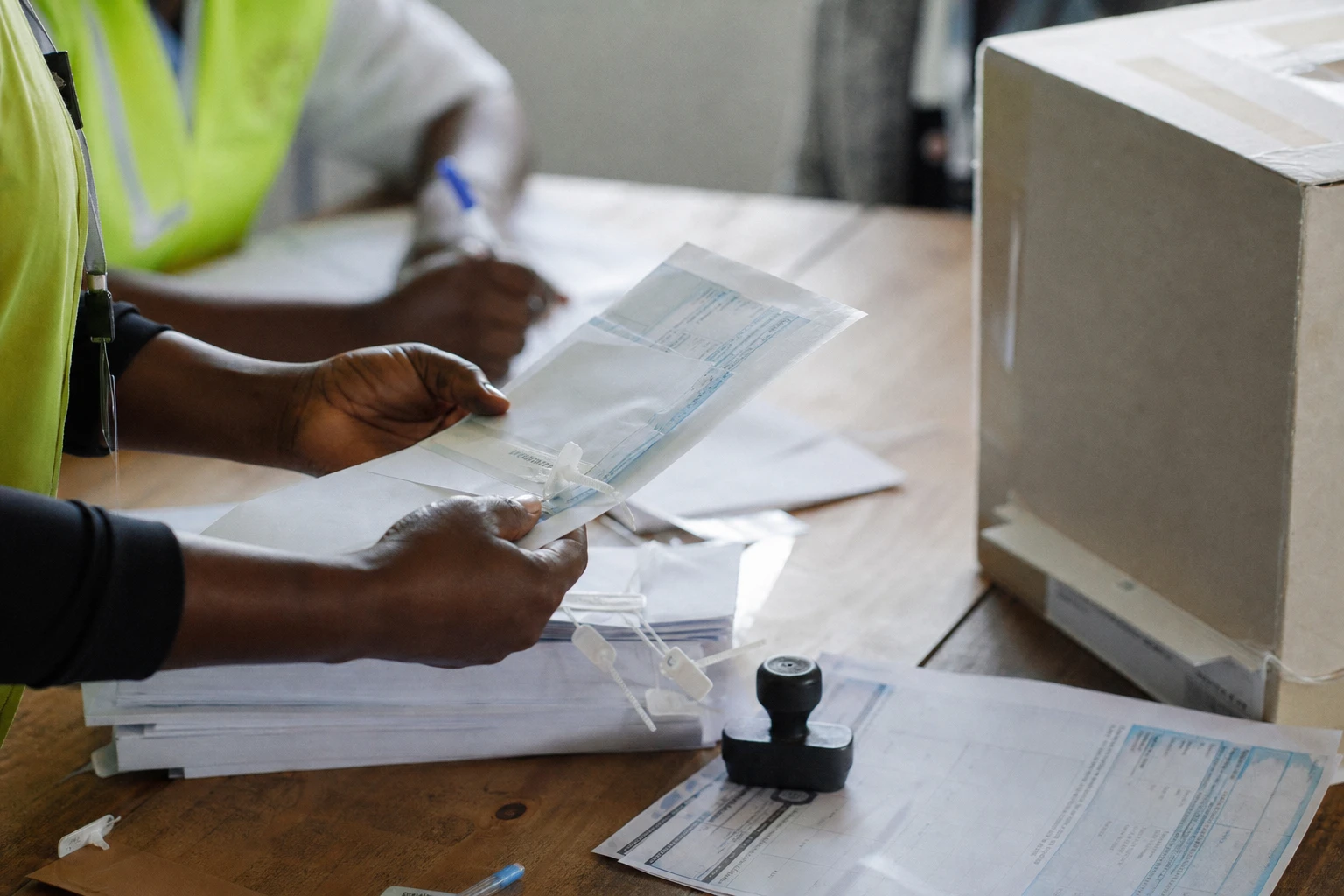
In Zambia, an election is not decided solely at the ballot box. It is also decided by how results are reported, polling station by polling station, and by the confidence citizens place in the count. This week, attention has therefore shifted from the campaign to Lusaka, where the Electoral Commission is continuing to collate votes after the general election on 13 August 2026.
The country is a key player in southern Africa. It belongs to SADC, the Southern African Development Community, which has deployed observer missions to major elections for years. The European Union also sent an observation mission at the request of the Zambian authorities, a sign that the vote is being followed well beyond the country’s borders.
The official timetable set the elections for Thursday 13 August 2026 and the announcement of results for Monday 17 August. In the meantime, the Electoral Commission of Zambia must aggregate figures from the 156 constituencies and the various elections held on the same day: presidential, parliamentary and local.
Incidents were limited, but a climate of mistrust is taking hold
The vote was generally peaceful, but not without incident. On the eve of the resumption of the count, police reported the death of a political official responsible for monitoring the vote, while an attack on election officials and the theft of ballot papers led the Electoral Commission to suspend operations for several hours on 14 August. The body later resumed the process, saying the security threat had been contained.
The suspension immediately affected the political atmosphere. In a presidential election often presented as a test of incumbent President Hakainde Hichilema’s economic reforms, waiting for the figures has revived opposition suspicions of manipulation and made voters nervous. Both sides know that in Zambia, the credibility of the result matters as much as the result itself.
International observers, for their part, have described the tension in more technical terms. The EU mission said voters had a genuine choice between several options, but also highlighted late changes to the rules, legal uncertainty and unequal campaign conditions. SADC, meanwhile, referred to the uncertainty and concern caused by the suspension of counting operations.
The heart of the problem is familiar to Zambians: releasing results progressively can fuel rumours before consolidated figures are available. That is why the European Union mission called for the publication of data by polling station, a request intended to make the ballot’s journey visible from the village, neighbourhood or municipality to the Electoral Commission.
Brian Mundubile, an opposition figure and former parliamentary leader, has already claimed victory before the count was complete, while accusing the army of raiding his home. Caution is warranted on this point: the claim cannot be taken as established until it is corroborated by independent evidence. Above all, it reflects the nervousness of a camp seeking to appear in a strong position ahead of the decisive announcement.
What is at stake for Zambia and the region
For the government, the stakes are twofold. First, it must protect the institutional legitimacy of the Electoral Commission, chaired by Mwangala Zaloumis, so that the country does not descend into a post-election crisis. It must also prevent a local incident from becoming a national crisis. In a country that has long cultivated an image of generally peaceful elections, every delay, rumour and security lapse carries considerable weight.
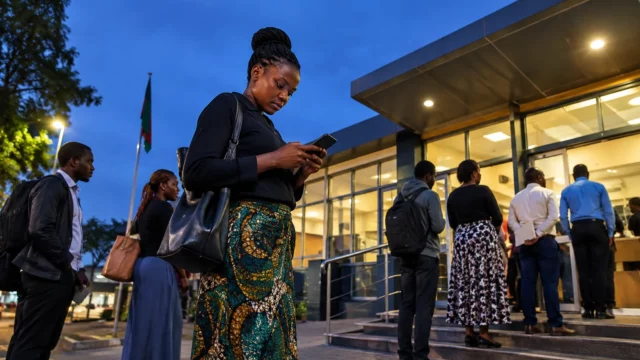
For voters, the stakes are even more tangible. In the capital, Lusaka, and in the provinces, they want to know whether their vote will count without interference. The long queues seen on the morning of 13 August, turnout at more than 13,500 polling stations and the size of the electorate are reminders that this is not a contest between political machines, but a national choice that also concerns the cost of living, jobs and trust in the state.
The regional context also matters. SADC has placed Zambia at the centre of its election-monitoring mechanism, in line with its revised principles of 2021. The European Union, for its part, noted that this is the sixth mission it has deployed to Zambia and that it will follow the process through to its conclusion, including a possible presidential run-off. In other words, the significance of the vote extends beyond Zambian domestic politics: it concerns democratic standards in southern Africa.
This is where the issue takes on continental significance. Zambia is not just a country holding an election. It is a signal to the region’s other democracies: transparency in results, equal treatment during the campaign, protection of election officials and the role of security forces. If the count remains transparent and is contested through institutional channels, the country will strengthen its standing among SADC’s benchmark elections. If it falters, mistrust could fuel, elsewhere, the temptation to settle power struggles before the polls even open.
The next step is clear: the official announcement, expected on 17 August according to the Electoral Commission’s timetable, will show whether Zambia closes this chapter through the institutional process or enters a longer period of dispute. In a democracy, counting is never a technical detail. It is the moment when the state proves it can turn a vote into an accepted verdict.