Algeria
 Egypt
 Libya
 Morocco
 Sudan
 Tunisia
 Benin
 Burkina Faso
 Cabo Verde
 Côte d'Ivoire
 Ghana
 Guinea
 Guinea-Bissau
 Liberia
 Mali
 Mauritania
 Niger
 Nigeria
 Senegal
 Sierra Leone
 The Gambia
 Togo
 Cameroon
 Central African Republic
 Chad
 DR Congo
 Equatorial Guinea
 Gabon
 Republic of the Congo
 São Tomé and Príncipe
 Burundi
 Comoros
 Djibouti
 Eritrea
 Ethiopia
 Kenya
 Madagascar
 Malawi
 Mauritius
 Mozambique
 Rwanda
 Seychelles
 Somalia
 South Sudan
 Tanzania
 Uganda
 Angola
 Botswana
 Eswatini
 Lesotho
 Namibia
 South Africa
 Zimbabwe
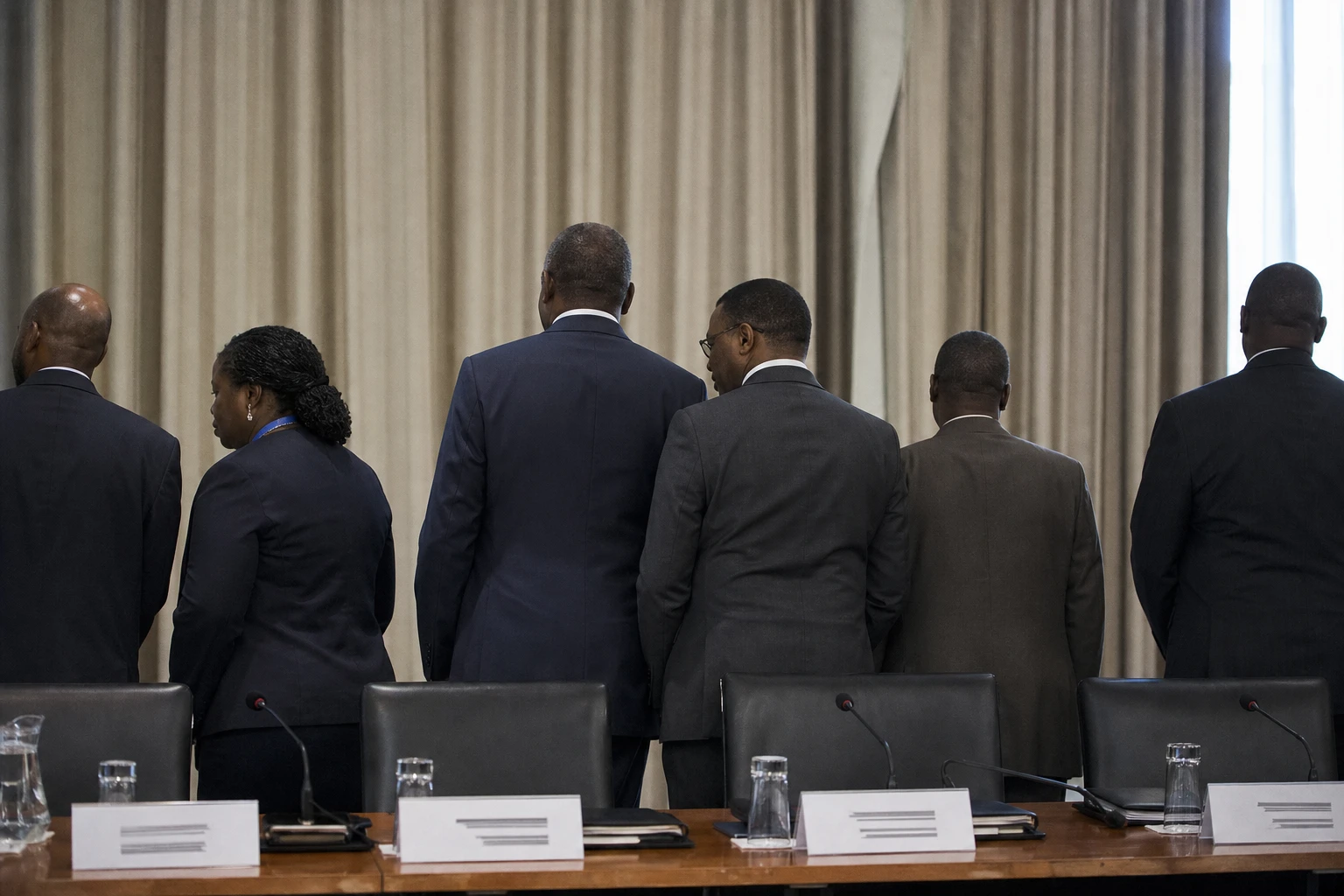
In Lusaka, an election victory is not enough to calm tensions
In Zambia, an election is measured by more than percentages. It is also judged by the freedom to campaign, the conduct of the police and the confidence voters retain after the count. That is precisely where last week’s vote has left its mark, as President Hakainde Hichilema has just secured a second term amid tension.
The country, whose capital is Lusaka, remains one of the most closely watched political arenas in southern Africa. Zambia belongs to SADC, the Southern African Development Community, which sends observer missions to elections. The European Union also deployed a mission at the invitation of the Zambian authorities. These presences are a reminder that in Lusaka, electoral competition extends beyond the domestic stage. It affects the image of a democracy long seen as stable in the region.
The vote, the announcement and the allegations
According to results announced on Tuesday by the electoral commission, Hakainde Hichilema received around 60% of the vote, against nearly 38% for his main rival, opposition leader Brian Mundubile. The vote on 13 August 2026 covered the presidency as well as parliament and local authorities, in a country that holds general elections every five years.
The announcement did not put an end to the disputes. The vote took place without widespread chaos overall, but the process was marked by restrictions denounced by the opposition and noted by European observers. They said the electoral process had unfolded in an environment that constrained fundamental freedoms, with uneven campaign conditions and late legal uncertainties.
The most sensitive episode came after a police raid on a property where Brian Mundubile was present. The authorities say they detained eleven opposition officials following exchanges of gunfire and the alleged discovery of heavy weapons and ammunition. The opposition rejects this account. Mundubile says he was unarmed and was under protection for security reasons.
The electoral commission also suspended the count for several hours on Friday, citing attacks on election officials and the theft of ballot papers or boxes. The pause led to the deployment of the army in some areas of the capital, an unusual signal in a country that has generally kept political transitions within a civilian framework.
What the UN says, and why it matters
The United Nations High Commissioner for Human Rights said on Wednesday that he was concerned by reports of arrests of opposition members before and after the vote. He called on the authorities to end arbitrary arrests and ensure due process for anyone detained. Even without a court ruling, this reminder puts the issue at the heart of the debate: an election is judged not only by the number of votes, but also by the safeguards available to those competing.
The UN warning echoes a recent precedent. In 2021, Zambia had already emerged from a campaign in which European observers noted uneven conditions and restrictions on public freedoms. Since then, Hichilema has governed amid a macroeconomic recovery, following the 2020 default and debt restructuring. But currency stabilisation, falling inflation and efforts to tackle debt have not erased the cost of living or power cuts for some Zambians.
The contrast between macroeconomic stability and daily life is stark. In the capital, political decisions are made at the highest level. In the provinces, access to electricity, food prices and jobs matter more than grand speeches about reform. Hichilema has highlighted a recovery plan and ambitious goals for copper, a strategic resource for Zambia coveted by several foreign partners. But the opposition has capitalised on the sense that the economic gains are not yet being shared in a visible way.
SADC observers were also deployed, showing that the issue is not purely national. In the region, a disputed election in Zambia could affect the democratic standards that member states say they want to uphold. When launching its mission, SADC reiterated its commitment to credible, peaceful elections in line with its principles of democratic governance.
Regional significance beyond the figures
Zambia remains an important country in southern Africa, both because of its geographical position and its role in copper value chains. A disputed election in Lusaka therefore has implications beyond the country’s borders. Regional and international partners are watching two things in parallel: the soundness of the result and how the authorities treat the arrested opposition members.
The stakes for Zambian institutions are clear: prevent an arithmetic victory from turning into a crisis of legitimacy. For the opposition, the challenge is to contest the result without sliding into confrontation. For the public, expectations remain more concrete: affordable prices, more reliable services and a political climate in which competition does not take place under threat.
What happens next will play out in the courts, in statements from observer missions and in the handling of detainees from the opposition. In Zambia, the real question is not simply who won. It is whether the country can preserve its electoral reputation while ensuring that the rules of the game are upheld.