
 Algeria
 Egypt
 Libya
 Morocco
 Sudan
 Tunisia
 Burkina Faso
 Cabo Verde
 Côte d'Ivoire
 Ghana
 Guinea
 Guinea-Bissau
 Liberia
 Mali
 Mauritania
 Niger
 Nigeria
 Senegal
 Sierra Leone
 The Gambia
 Togo
 Cameroon
 Central African Republic
 Chad
 DR Congo
 Equatorial Guinea
 Gabon
 Republic of the Congo
 São Tomé and Príncipe
 Burundi
 Comoros
 Djibouti
 Eritrea
 Ethiopia
 Kenya
 Madagascar
 Malawi
 Mauritius
 Mozambique
 Rwanda
 Seychelles
 Somalia
 South Sudan
 Tanzania
 Uganda
 Angola
 Botswana
 Eswatini
 Lesotho
 Namibia
 South Africa
 Zambia
 Zimbabwe
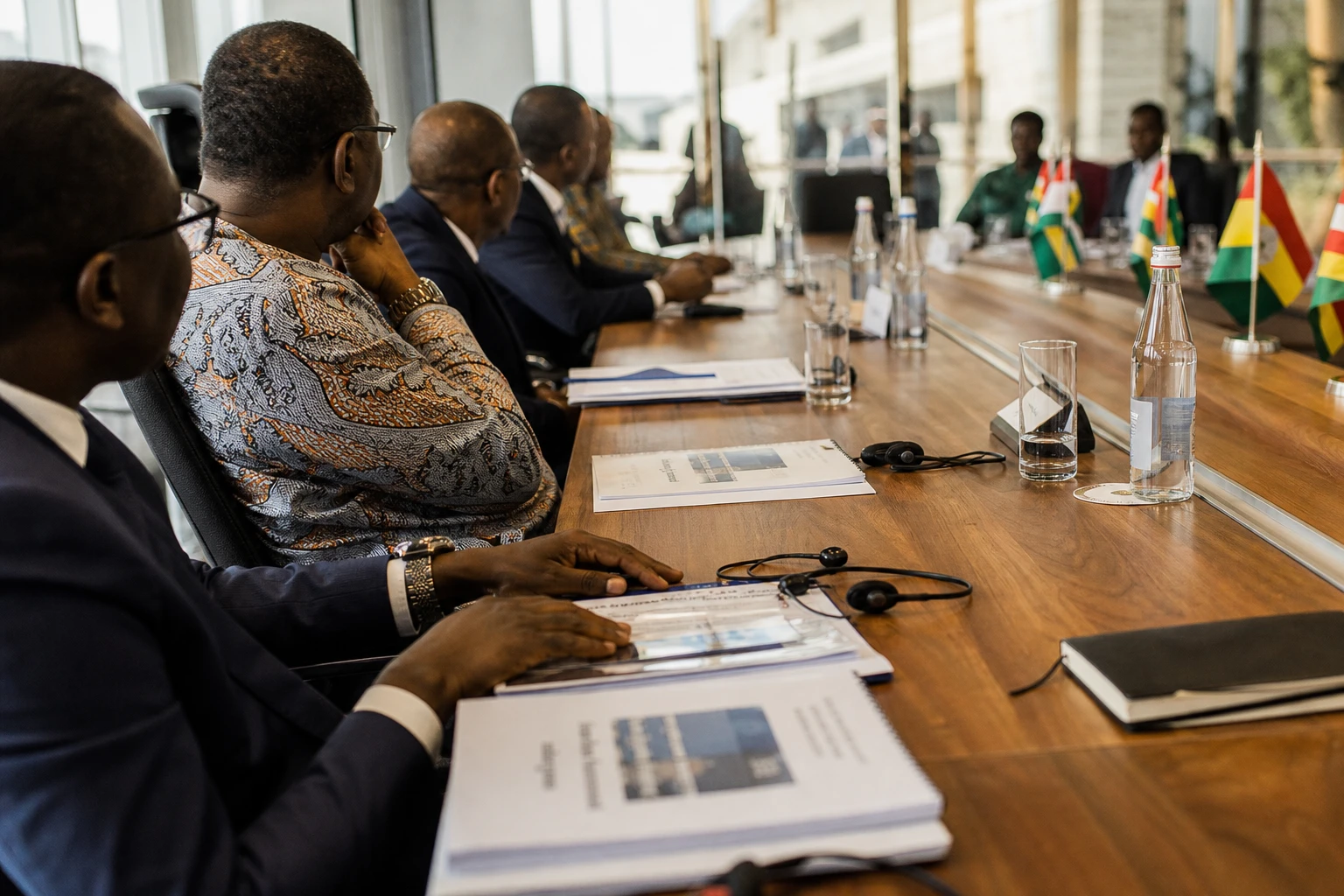
In Benin, the battle for access to fuel is now also being fought in depots, at quays and through distribution networks. The financing granted to Yattassaye & Company Energy Invest could accelerate this transformation, as the formal market continues to seek a foothold against informal channels.
A portfolio of infrastructure, not just a network of service stations
On 24 September 2026, in Lomé, the board of the West African Development Bank (BOAD) approved CFAF 17.5 billion in financing for Yattassaye & Company Energy Invest, an entity within the YATT&CO group.
According to the regional bank’s official statement, the funding will finance the acquisition of a portfolio of energy assets in Benin. The deal includes oil and gas storage depots, a petroleum quay and a network of service stations. BOAD describes the project as a way to strengthen YATT&CO’s presence in West Africa and retain more capital and added value on the continent.
The announced amount is the financing approved by BOAD. On its own, it does not establish the total price of the transaction. The seller’s identity, the overall value of the assets, their precise locations and their technical capacities have not been made public.
This distinction matters. At this stage, the project does not involve building a new terminal or a new network. It is primarily about taking over infrastructure that is already operational or available. For YATT&CO, the challenge is therefore to move from a role focused on importing and selling petroleum products to a broader presence in storage and logistics.
Benin’s market has been changing since the 2023 shock
The deal comes as Benin’s sector remains deeply affected by decisions taken in Nigeria in 2023. The reduction and subsequent removal of petrol subsidies quickly drove up the price of fuel sold clandestinely in Benin under the name “kpayo”.
The International Monetary Fund found that this development temporarily narrowed the gap between petrol sold at service stations and smuggled fuel. According to its estimates, the share of demand met by the formal channel rose from 11% to 27% after the price of informal fuel increased.
The shift did not, however, eliminate parallel trade. The depreciation of the naira subsequently helped narrow some of the price gap. In addition, informal networks remain established in many localities, particularly in border areas and places far from service stations.
The IMF estimates that 37 of Benin’s 77 communes still had no formal service station at the time of its analysis. This sparse network helps explain why some households and transport operators continue to rely on “kpayo”, even when they are aware of its risks.
For motorcycle-taxi drivers, small traders and rural transport operators, market changes are not simply a matter of competition between companies. Fuel prices and availability directly affect travel, deliveries and the cost of goods. In Cotonou and in smaller cities, any rapid change feeds through to transport costs and household incomes.
Storage becomes an economic sovereignty issue
Taking over depots and a petroleum quay could give YATT&CO greater control over several stages of the supply chain. It could also reduce dependence on infrastructure controlled by external operators, provided the capacity is genuinely available and properly managed.
Storage plays an essential role in a country that imports most of its petroleum products. Larger reserves can help absorb supply delays, regional tensions or fluctuations in international prices. They do not, however, guarantee lower prices. The cost of imported products, transport, taxation, exchange rates and distribution margins all remain decisive.
The quality of regulation will therefore be crucial. Since 2023, Benin has strengthened its oversight of the import, storage and distribution of petroleum products. The aim is to make facilities safer, improve the traceability of volumes and limit dangerous roadside sales.
The government has also considered reorganising some informal-sector vendors into mini-service stations. This approach is intended to address a practical problem: the rapid disappearance of “kpayo” is unrealistic as long as formal supply does not adequately cover the communes and transport routes.
A West African group faces a more structured market
YATT&CO already operates in several countries in the region, including Benin, Togo, Côte d’Ivoire and Mali. Its expansion is taking place in an economic area where petroleum products move between the states of the West African Economic and Monetary Union (UEMOA), which share the CFA franc, but where national rules and infrastructure still differ.
The regional dimension is also reflected in BOAD. A joint institution of UEMOA, it finances public and private projects in all eight member countries. At its 24 September 2026 session, it approved several operations in energy, hydrocarbons, agriculture and transport, totalling CFAF 157.5 billion.
In this context, YATT&CO’s financing is not an isolated case. It comes alongside a project to expand storage capacity at the Lomé Oil Terminal in Togo and financing for hydrocarbon imports into Mali. Taken together, these projects reflect a regional priority: securing supplies amid pressure on transport corridors and price volatility.
What to watch next
The first unknown is the precise scope of the assets being acquired. Without information on their capacity, condition and location, it remains difficult to assess the deal’s real impact on Benin’s supply.
The second concerns the effects on consumers. Closer integration of importing, storage and distribution could improve the regularity of deliveries. It must, however, be accompanied by competition monitoring and fair access to infrastructure.
Finally, the project’s success will depend on how it fits with public policy. Benin will need to continue developing its formal network without ignoring the thousands of people who still make a living from the informal fuel trade. The transition will be sustainable only if it combines safety, product availability, jobs and affordable prices.



