Algeria
 Egypt
 Libya
 Morocco
 Sudan
 Tunisia
 Benin
 Burkina Faso
 Cabo Verde
 Côte d'Ivoire
 Ghana
 Guinea
 Guinea-Bissau
 Liberia
 Mali
 Mauritania
 Niger
 Nigeria
 Senegal
 Sierra Leone
 The Gambia
 Cameroon
 Central African Republic
 Chad
 DR Congo
 Equatorial Guinea
 Gabon
 Republic of the Congo
 São Tomé and Príncipe
 Burundi
 Comoros
 Djibouti
 Eritrea
 Ethiopia
 Kenya
 Madagascar
 Malawi
 Mauritius
 Mozambique
 Rwanda
 Seychelles
 Somalia
 South Sudan
 Tanzania
 Uganda
 Angola
 Botswana
 Eswatini
 Lesotho
 Namibia
 South Africa
 Zambia
 Zimbabwe
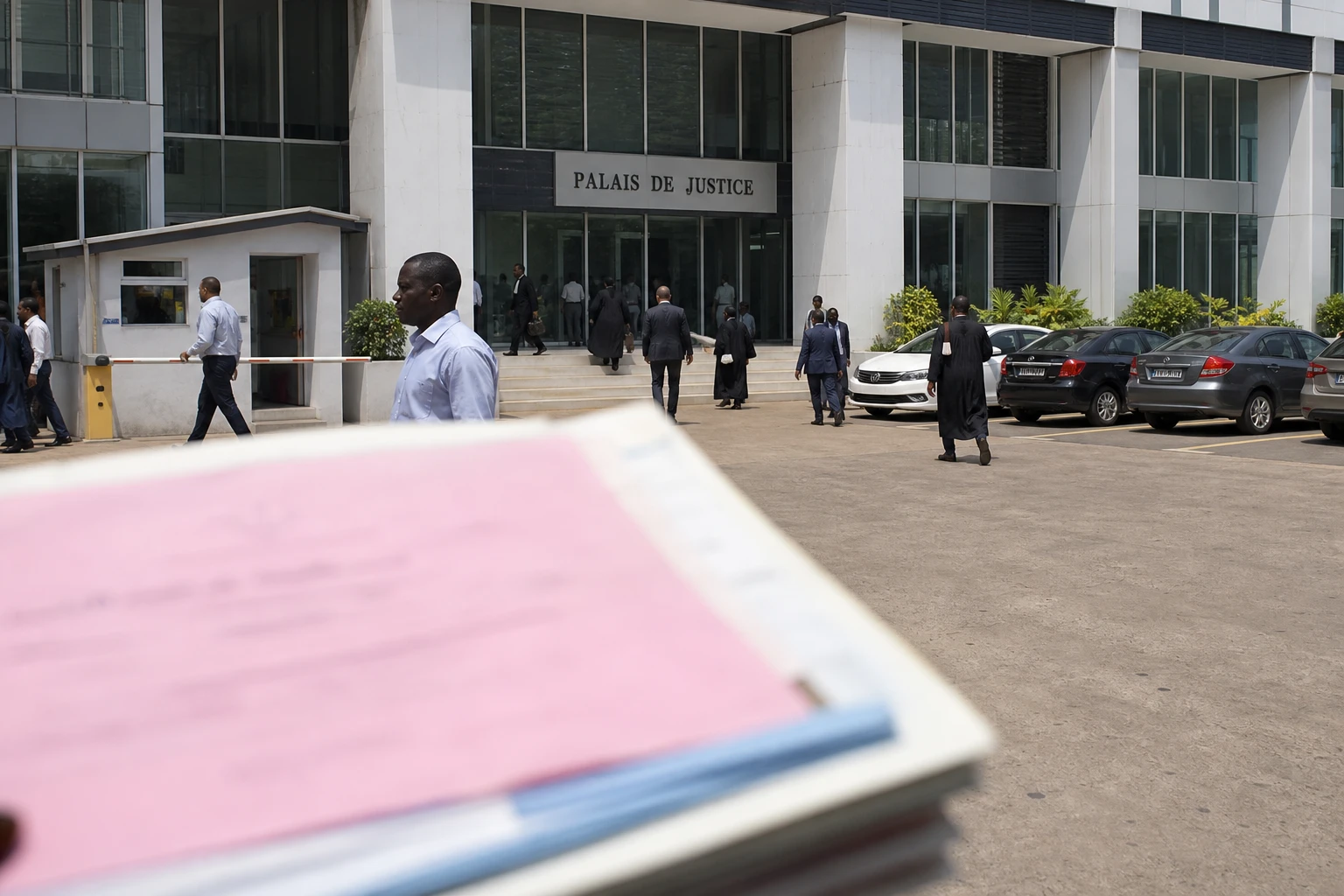
In Lomé, a detention weighing on public debate
A year after Marguerite Gnakadé’s arrest in Lomé, the case has become about more than her personal circumstances. It says something broader about Togo’s political space, the role of social media in protest, and how the state responds to criticism from within its own ranks.
In Togo, political tensions are no longer confined to the traditional opposition parties. Since the 2024 constitutional reform, which strengthened the position of the President of the Council in the institutional framework, power has become even more concentrated around Faure Gnassingbé. The official text, published in the Official Gazette, provides that the leader of the party holding a majority in the National Assembly becomes President of the Council. For some members of the public, this development reinforces the sense of a system locked down.
Against this backdrop, Marguerite Gnakadé’s words have taken on particular significance. A former defence minister, former banking executive and sister-in-law of Faure Gnassingbé, she did not represent opposition from outside the regime. She came from within it. That is precisely what gave weight to her public statements, shared in particular online, in which she called for a change at the top of the state and criticised the country’s governance.
The facts: an arrest followed by a protracted investigation
Marguerite Gnakadé was arrested at her home in Lomé on 17 September 2025, according to several Togolese and international media outlets. Security sources cited at the time confirmed her arrest, following several public statements against the authorities. She was then brought before the Lomé prosecutor’s office and placed in pre-trial detention.
The charges cited in the proceedings are serious. According to judicial information reported by the local press, they include undermining the internal security of the state, aggravated disturbance of public order, inciting the army to revolt, and endangering national security. Her lawyer says he was not officially informed of the exact place of detention and says access to her is tightly restricted, during visits to the courthouse. These remain claims by the defence, but they point to a case that remains sensitive.
A year later, no trial date has been announced publicly, according to the sources consulted. This delay has fuelled criticism from supporters of the former minister, who believe the investigation has gone on too long for such a political case. In West Africa, where the boundary between the judicial and political spheres is often contested, the length of pre-trial detention quickly becomes a substantive issue.
The Togolese authorities have not publicly responded to requests cited by the press. In the absence of detailed communication from the prosecutor’s office, information about the case is circulating mainly through lawyers, relatives and human rights organisations. In its 2025 report on Togo, Amnesty International says Gnakadé was arrested on 17 September over posts and videos denouncing poor governance and calling for Faure Gnassingbé to resign, and that she remained in detention at the end of the year on charges relating to incitement to revolt and the dissemination of false information.
Conditions of detention: competing accounts
The controversy is most heated over the conditions of detention. Her supporters describe strict isolation, with no telephone, radio, television or writing materials, and no opportunity to go outside and stretch her legs. They also say visits are limited. These allegations should remain attributed to her entourage and defence, given the lack of full independent access to the place of detention.
According to the same sources, Marguerite Gnakadé is said to have begun a hunger strike in the summer of 2026 to protest against her conditions of detention. Togolese and regional organisations have voiced concern about her health, while Amnesty International and other human rights advocates have called on the authorities to clarify her situation. Here, too, the most firmly established information is that she remains in detention and that repeated concerns have been raised about her conditions—not details that no one has been able to verify independently on site.
The case poses a simple question: how does a state treat criticism when it comes from a figure who has long served the system? For the authorities, the case is primarily a matter of public order and national security. For her supporters, it looks like a signal to all those who challenge the official line, including members of the elite. In either case, the message is political.
Regional significance: Lomé, ECOWAS and the question of civic space
Togo is not facing merely an isolated legal case. In 2025, the country experienced a period of tension marked by protests, arrests and criticism of the crackdown. ECOWAS called for restraint and dialogue at the height of these tensions. At the same time, regional observers noted that Togolese political life remains marked by a strong centralisation of power, while street protests remain limited and risky.
The Gnakadé case therefore resonates beyond Lomé. It raises questions about the ability of West African institutions to defend genuine civic space, at a time when the region is already weakened by coups in the Sahel, changes within ECOWAS and growing mistrust between governments and civil society. For Togo, which remains a stable player in coastal trade and an important member of the West African community, every case of this kind also becomes a test of institutional credibility.
What happens next will depend on two things: first, the holding of a substantive hearing, and then clarification of the detention regime. As long as these two points remain unclear, the case will continue to fuel mistrust, far beyond Marguerite Gnakadé’s circle of relatives and supporters. In Togo, as in other countries in the region, the way a dissenting voice is treated often says as much about the state as the speech it seeks to silence.