Algeria
 Egypt
 Libya
 Morocco
 Sudan
 Tunisia
 Benin
 Burkina Faso
 Cabo Verde
 Côte d'Ivoire
 Ghana
 Guinea
 Guinea-Bissau
 Liberia
 Mali
 Mauritania
 Niger
 Nigeria
 Senegal
 Sierra Leone
 The Gambia
 Togo
 Cameroon
 Central African Republic
 Chad
 DR Congo
 Equatorial Guinea
 Gabon
 Republic of the Congo
 São Tomé and Príncipe
 Burundi
 Comoros
 Djibouti
 Eritrea
 Kenya
 Madagascar
 Malawi
 Mauritius
 Mozambique
 Rwanda
 Seychelles
 Somalia
 South Sudan
 Tanzania
 Uganda
 Angola
 Botswana
 Eswatini
 Lesotho
 Namibia
 South Africa
 Zambia
 Zimbabwe
In Mekelle, peace now hangs by a thread
In northern Ethiopia, the fear is not only of a new front. It is of a return to life as it was, when families counted the days without fuel, medicine and sometimes even a voice to make themselves heard. Following the resumption of fighting in Tigray in early August 2026, diplomatic pressure on Addis Ababa and Tigrayan leaders has risen sharply.
The signal from Europe, Canada and the United Kingdom, echoed from Addis Ababa, is significant. It is a reminder that a local conflict in the Horn of Africa can quickly become a regional crisis, at the crossroads of Eritrea, Sudan and northern Ethiopia’s humanitarian routes. In a country already facing several areas of insecurity, Tigray remains a test of credibility for both the federal state and African mediation mechanisms.
African mediation seeks to regain the initiative
The core of the matter remains the same: the Cessation of Hostilities Agreement signed in Pretoria, South Africa, on 2 November 2022, under the auspices of the African Union. The agreement, also known as the Pretoria Agreement, was intended to end the war between the federal government and the Tigray People’s Liberation Front, the TPLF. It was presented as an African solution to an Ethiopian conflict, with the support of the AU and regional partners, including IGAD, the Intergovernmental Authority on Development in East Africa.
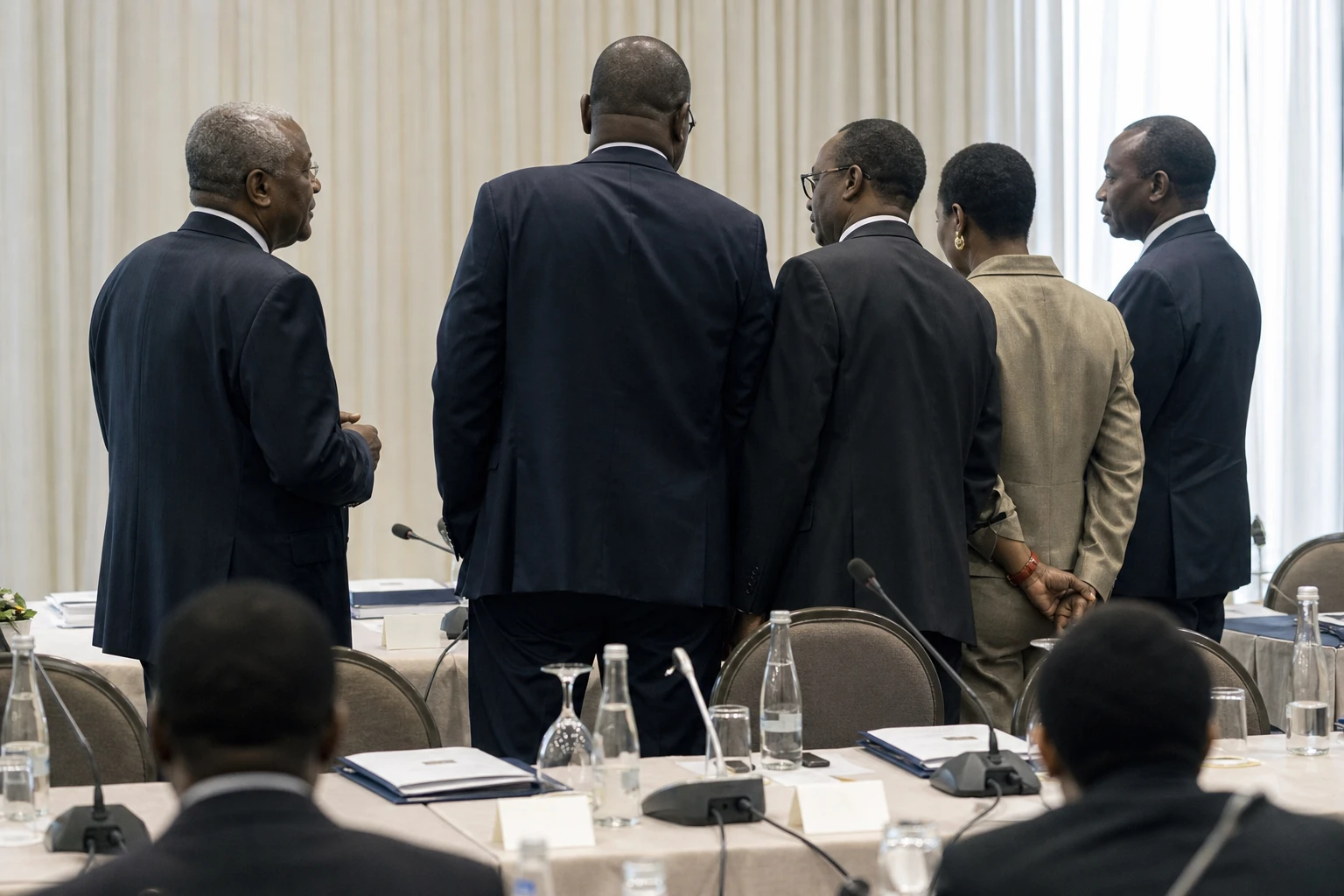
This peace framework did not, however, close the door to tensions. On 24 August 2026, Olusegun Obasanjo, former president of Nigeria and the African Union’s High Representative for the Horn of Africa, travelled to Mekelle, the regional capital of Tigray, for consultations with Tigrayan officials. Tigray authorities subsequently said the visit had yielded no concrete progress with the federal government.
Obasanjo’s appointment is not merely symbolic. He has been one of the most visible faces of African mediation on this issue since 2021. His visit is also a reminder that, despite the presence of international actors, Addis Ababa, Mekelle and African capitals remain at the centre of a political settlement.
The facts: fighting, warnings and humanitarian emergencies
In early August 2026, fighting was reported to have resumed in western Tigray, particularly around Shererina and Sheraro, near the Sudanese border. Sources cited by several media outlets have variously attributed the start of the clashes to the Ethiopian federal army and forces linked to the TPLF. For now, the crucial point is less the battle of narratives than the fact that hostilities have genuinely resumed, as confirmed by several cross-checks.
In its statement of 26 August 2026, the European Union and several of its member states, joined by the embassies of Canada, Norway and the United Kingdom in Addis Ababa, said they were following the situation with “great concern”. They urged all parties to act in good faith in implementing the Cessation of Hostilities Agreement and warned that a renewed military confrontation would be devastating for northern Ethiopia.
Washington has struck a similar tone in recent days, calling for peace to be preserved and for people to be allowed to return home “safely and with dignity”. Such appeals show that the current developments go far beyond a dispute between Ethiopian factions: they affect the stability of a key country in the Horn of Africa, home to the African Union headquarters in Addis Ababa and a diplomatic hub for the entire region.
On the ground, humanitarian warnings remain grave. UNICEF describes Ethiopia in 2026 as facing a crisis exacerbated by conflict, climate shocks and health emergencies, with needs still high in Tigray. The agency also says that hundreds of thousands of internally displaced people remain in precarious conditions, while drought and service disruptions continue to leave the country’s north vulnerable.
Why the issue matters beyond Tigray
Tigray is not only an Ethiopian region scarred by a past war. It is also a pivotal area for the country’s national balance. When fighting resumes, the consequences are felt on several levels: civilian safety, access to healthcare, fuel supplies, the functioning of local markets and the return of displaced people. In an economy where the informal sector remains vast, every roadblock or administrative obstruction quickly affects household incomes.
For the federal government in Addis Ababa, the issue is as political as it is military. Any sustained resumption of fighting undermines the promise of normalisation that emerged from the Pretoria Agreement. It also fuels mistrust between the centre and the regions, in a country where relations between federal authorities, regional administrations and security forces remain sensitive. For Tigrayan authorities, the challenge is the reverse: to secure guarantees on dialogue, public services and the genuine implementation of the agreement, otherwise the ceasefire becomes an empty shell.
The continental dimension is just as clear. The African Union has made the Ethiopian issue a major precedent for African mediation. If the Pretoria settlement erodes, the entire idea of an African solution to African conflicts loses force. Conversely, a credible resumption of dialogue in Addis Ababa and Mekelle would strengthen the role of the AU, IGAD and mediators such as Obasanjo in managing crises in the Horn of Africa.
What to watch now comes down to a few dates and concrete steps: what follows Obasanjo’s consultations, Addis Ababa’s stance, humanitarian access to Tigray and any easing of tensions around the front lines in the region’s west. In a crisis of this kind, diplomatic silence rarely precedes lasting calm. The real indicator will be whether structured political dialogue under African auspices resumes.