Algeria
 Egypt
 Libya
 Morocco
 Sudan
 Tunisia
 Benin
 Burkina Faso
 Cabo Verde
 Côte d'Ivoire
 Ghana
 Guinea
 Guinea-Bissau
 Liberia
 Mali
 Mauritania
 Niger
 Nigeria
 Senegal
 Sierra Leone
 The Gambia
 Togo
 Cameroon
 Central African Republic
 Chad
 DR Congo
 Equatorial Guinea
 Gabon
 Republic of the Congo
 São Tomé and Príncipe
 Burundi
 Comoros
 Djibouti
 Eritrea
 Ethiopia
 Kenya
 Madagascar
 Malawi
 Mauritius
 Mozambique
 Rwanda
 Seychelles
 Somalia
 South Sudan
 Uganda
 Angola
 Botswana
 Eswatini
 Lesotho
 Namibia
 South Africa
 Zambia
 Zimbabwe
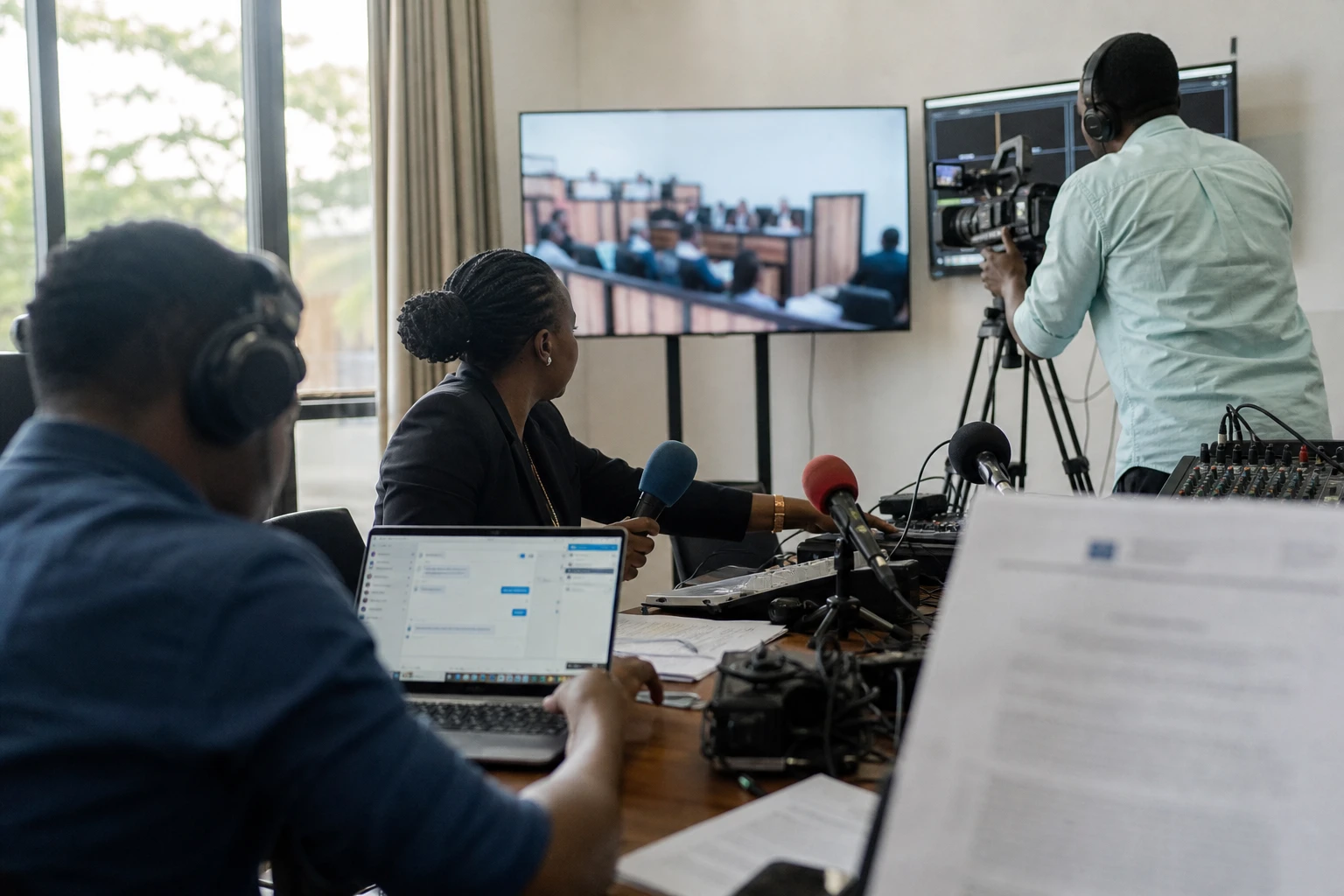
In Dar es Salaam, a court case that goes beyond Tundu Lissu’s fate
In Tanzania, a political trial is not played out only in a courtroom. It also says something about the state of electoral politics, the space allowed to the opposition and how the state responds to dissent. That is exactly what the Tundu Lissu case crystallises. Lissu is a central figure in Chadema, Tanzania’s main opposition party.
The case comes amid a climate still charged by violence linked to the general election of 29 October 2025. A commission of inquiry established by the presidency put the death toll at 518, the vast majority of them civilians, while Agence France-Presse and Associated Press reported the findings, noting that this was the most precise official toll made public at that point.
A country, an election, and fractures still open
Tanzania, a member of the East African Community, has long projected an image of institutional stability. But since the transition opened by the death of John Magufuli and the rise to power of Samia Suluhu Hassan, the political scene has become strained around a simple question: how far can the opposition go in challenging the electoral process?
The conflict is centred on elections. Chadema has made reform of voting rules a major focus of its mobilisation. The party has championed the line “No Reforms, No Election”, while the authorities have maintained their own institutional timetable. By August 2025, the official campaign for the general election had already begun while Tundu Lissu was still in detention, according to Associated Press.
This context helps explain the political charge of the case. In a country where elections are supposed to arbitrate competition, the battle shifts to the courts when opposition rallies, speeches and choice of words are interpreted as acts threatening public order.
The facts: opposition leader called on to mount his defence
On 21 August 2026, Tanzania’s High Court ruled that Tundu Lissu must answer the charges against him and open his defence in his treason trial. The three-judge panel considered that the prosecution had presented sufficient evidence for a case to be examined on its merits.
According to accounts in the Tanzanian and regional press, the charges are based on remarks made at a Chadema meeting in Dar es Salaam on 3 April 2025. The authorities say he called for the general election to be blocked and urged the population to rebel. The opposition leader disputes this interpretation and maintains that the prosecution is in fact targeting his fight for political and electoral reforms.
The case carries considerable legal and symbolic weight. Treason is a capital offence in Tanzania. The prospect of an extreme sentence explains the high level of tension surrounding the case. Tundu Lissu, who is representing himself, has also denounced his conditions of detention and the difficulties he says he faces in preparing his defence and bringing in witnesses and lawyers.
The judicial timeline is itself revealing. Arrested in April 2025, Lissu has faced lengthy proceedings punctuated by adjournments and interruptions, before the High Court ruled, after hearing 17 prosecution witnesses, that the case warranted him presenting his defence.
What the case means for the government, the opposition and voters
For the government, the challenge is to show that dissent will not go unpunished when it is seen as a threat to stability. For the opposition, the risk is the reverse: that a debate over electoral reform becomes a criminal case, with a chilling effect on other critical voices.
For Tanzanian voters, the consequence is even more tangible. When the main political challenger to the government spends months in prison as tensions rise, the very idea of fair competition is weakened. The post-election climate has already left deep scars: the official commission documented 518 deaths and hundreds of people wounded by gunfire in post-election violence, a figure that AP linked to a six-day internet shutdown and severe disruption to the flow of information.
The case also raises a broader institutional question. In East Africa, where several countries are facing sensitive electoral periods, Tanzania is becoming a test. The treatment of an opposition leader, the space given to electoral reform and the judiciary’s ability to be seen as independent will be watched far beyond Dodoma, the country’s political capital.
The case’s continental significance ultimately rests on one specific point: how a state manages electoral disputes says a great deal about the region’s democratic health. Here, the Tanzanian situation combines three elements closely monitored by the African Union, the East African Community and regional observers: pluralism, election security and respect for the rights of the defence.
Tundu Lissu’s next court appearance, along with what follows from the commission of inquiry’s recommendations on the 2025 violence, will show whether Tanzania is moving towards institutional calm or a lasting hardening of the confrontation between the government and its opponents.