Algeria
 Egypt
 Libya
 Morocco
 Tunisia
 Benin
 Burkina Faso
 Cabo Verde
 Côte d'Ivoire
 Ghana
 Guinea
 Guinea-Bissau
 Liberia
 Mali
 Mauritania
 Niger
 Nigeria
 Senegal
 Sierra Leone
 The Gambia
 Togo
 Cameroon
 Central African Republic
 Chad
 DR Congo
 Equatorial Guinea
 Gabon
 Republic of the Congo
 São Tomé and Príncipe
 Burundi
 Comoros
 Djibouti
 Eritrea
 Ethiopia
 Kenya
 Madagascar
 Malawi
 Mauritius
 Mozambique
 Rwanda
 Seychelles
 Somalia
 South Sudan
 Tanzania
 Uganda
 Angola
 Botswana
 Eswatini
 Lesotho
 Namibia
 South Africa
 Zambia
 Zimbabwe
In Omdurman, the market no longer forgives delays
When the price of a sack of sugar, a bottle of oil or a kilo of lentils changes between visits, it is no longer just a matter of commerce. It is a signal of survival. In Omdurman, the large twin city of Khartoum and a historic trading hub, Sudanese households are watching their purchasing power collapse as a currency loses value and a market becomes unpredictable. This pressure is not isolated: it is part of a wartime economy, with fragile wages, more expensive transport and stocks that are difficult to replenish.
Sudan is entering its fourth year of armed conflict. Humanitarian needs remain immense, with 33.7 million people requiring assistance, according to UNICEF, while the FAO, WFP and UNICEF warned in May 2026 that 19.5 million people were facing crisis levels of food insecurity or worse. In this context, prices are not a secondary issue. They determine how a family buys bread, medicine or fuel, and how a city such as Omdurman continues, against the odds, to feed the capital and its surroundings.
Depreciation drives up costs from wholesale to retail
Sudan’s markets remain closely tied to the US dollar. According to FEWS NET, the Sudanese pound continued to depreciate sharply, reaching about 4,960 pounds to the dollar in June 2026, compared with much higher levels just a few months earlier. The same report notes that this slide is adding to import costs and fuelling inflation in food and fuel. A WFP market report in April 2026 had already said the exchange rate remained under severe pressure, with the commercial rate at about 3,100 pounds to the dollar and the currency down 55% year on year.
The Central Bank of Sudan has tried to stem the fall. In late June 2026, it injected 400 million UAE dirhams into commercial banks to meet import demand and calm the foreign exchange market, according to a report carried by the Sudanese press. But even if the intervention may have eased some payments, it does not change the underlying problem: foreign currency reserves are low, exports remain constrained and economic activity is fragmented by the conflict.
The effects quickly show up on market stalls. In July 2026, annual inflation accelerated again to 51.28%, while food and drink prices rose 8.39% month on month, according to the Sudanese business press. The African Development Agency, for its part, estimates that Sudanese inflation remained extremely high in 2025, at 150.2%, even if it may slow in 2026. A slower rate does not change the essentials: the currency remains fragile, prices remain high and households remain under pressure.
What this means for families, traders and the urban economy
In Omdurman, traders are not just contending with rising prices. They also have to replenish stocks in an environment where credit is scarce, roads are disrupted and replacement costs change rapidly. Many have to choose between selling quickly, risking a loss, or waiting a little longer, risking having their goods tied up. This dynamic contributes to relative shortages of some products, particularly those that rely on imports or lengthy supply chains. Retail trade thus becomes an economy of anticipation, almost a form of protection against the next price rise.
For households, the impact is immediate. Food is taking up a growing share of the budget, at the expense of healthcare and other essential spending. UN agencies say the food crisis is already deep: nearly 135,000 people were facing catastrophic hunger in several areas, and more than five million were in food emergency conditions in spring 2026. When the cost of a basic basket rises faster than incomes, households cut the variety of their meals, put off medical care and take on more debt from neighbours or small traders.
The official capital, Khartoum, and its trading sister city, Omdurman, are not experiencing this crisis in the same way as rural areas, but they are a sounding board for it. In urban centres, the strain is visible in markets and queues. In the countryside, it translates more directly into supply disruptions and less varied diets. The African Development Bank also notes that Sudan faces severe financing constraints, a large informal economy and very low foreign exchange reserves. In other words, the government has little room for manoeuvre even as social needs continue to grow.
A Sudanese crisis with implications beyond Sudan
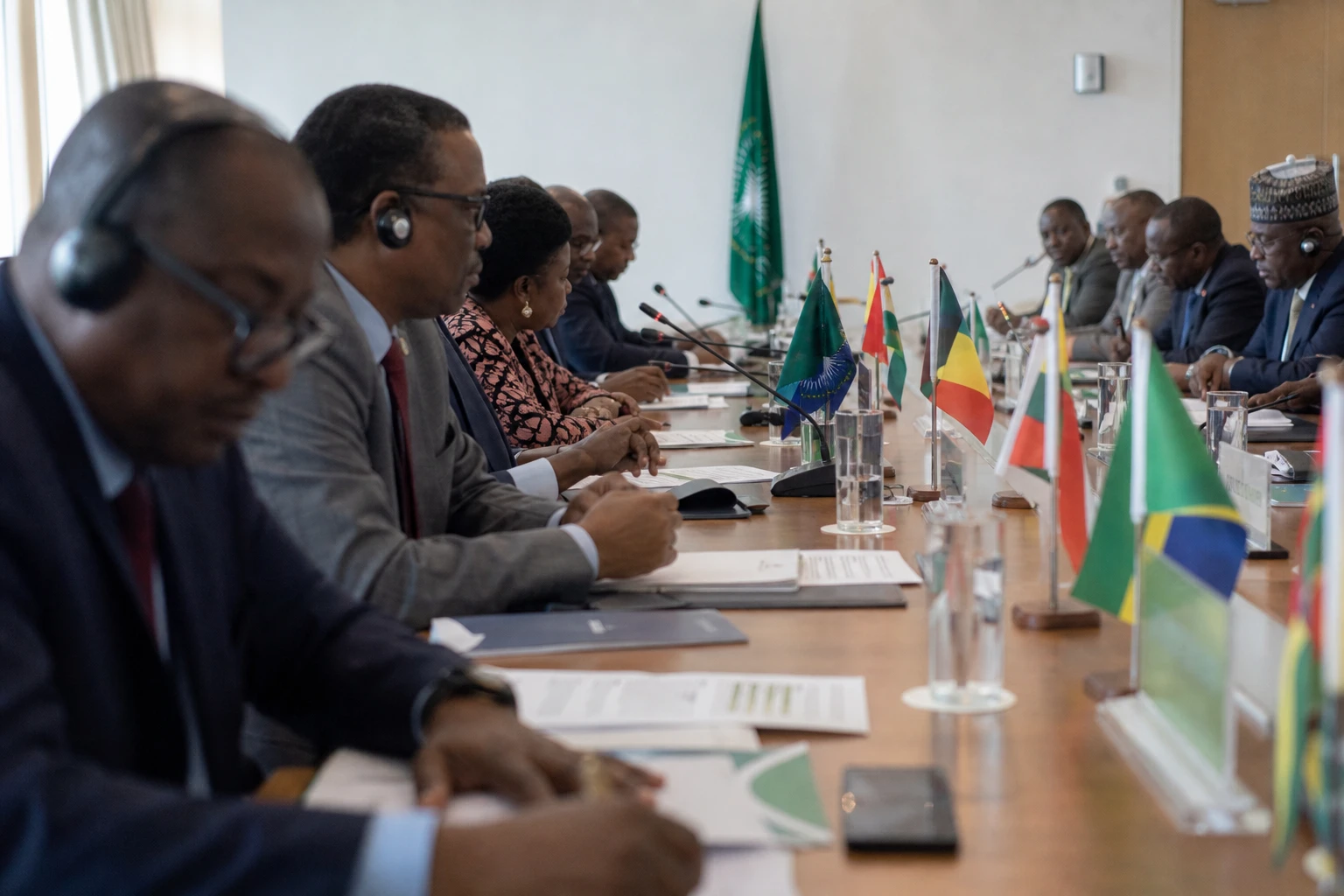
Sudan’s price crisis has clear regional implications. The country remains at the heart of the Horn of Africa, a region crossed by refugee movements, trade routes and security shocks. The UN refugee agency estimates that 3.6 million people have left Sudan for neighbouring countries, while the African Union again called in June 2026 for a ceasefire and an inclusive political process, reaffirming the country’s sovereignty and territorial integrity. Omdurman’s prices therefore matter to Chad, Egypt, South Sudan, Ethiopia and all of the region’s partners too.
The next point to watch is as much macroeconomic as political. As long as the conflict continues to undermine exports, foreign exchange reserves and distribution networks, the currency will remain under pressure. And as long as the currency remains under pressure, markets will continue to pass that fragility on through prices. Sudan’s economic battle is therefore being fought as much in peace negotiations as in the very practical mechanisms of importing, transport and food regulation. That is where, day by day, families’ ability to cope is decided.