Algeria
 Egypt
 Libya
 Morocco
 Sudan
 Tunisia
 Benin
 Burkina Faso
 Cabo Verde
 Côte d'Ivoire
 Ghana
 Guinea
 Guinea-Bissau
 Liberia
 Mali
 Mauritania
 Niger
 Nigeria
 Senegal
 The Gambia
 Togo
 Cameroon
 Central African Republic
 Chad
 DR Congo
 Equatorial Guinea
 Gabon
 Republic of the Congo
 São Tomé and Príncipe
 Burundi
 Comoros
 Djibouti
 Eritrea
 Ethiopia
 Kenya
 Madagascar
 Malawi
 Mauritius
 Mozambique
 Rwanda
 Seychelles
 Somalia
 South Sudan
 Tanzania
 Uganda
 Angola
 Botswana
 Eswatini
 Lesotho
 Namibia
 South Africa
 Zambia
 Zimbabwe
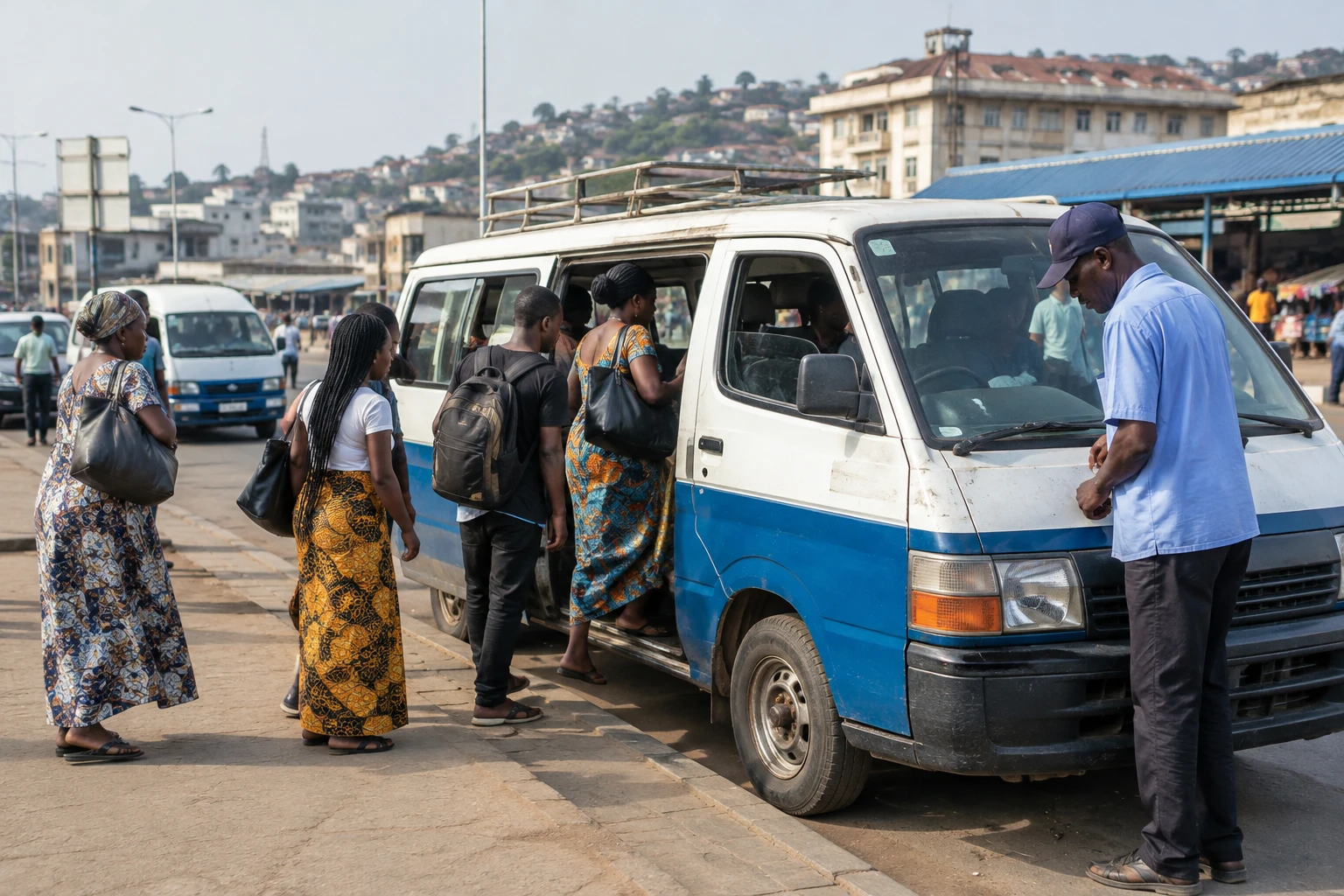
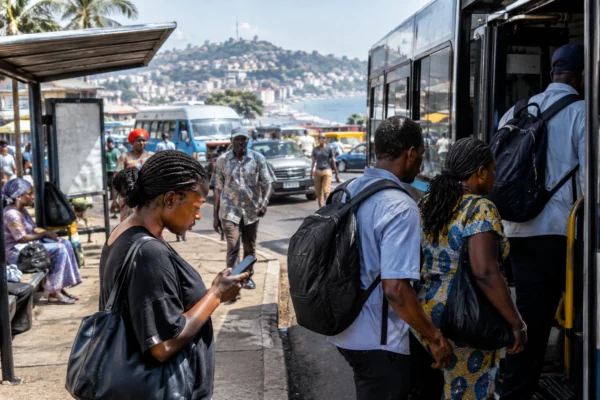
In Freetown and across the regions, rising fuel prices can quickly drive up transport costs, the price of goods and the cost of living. For Sierra Leone, the economic reform challenge is therefore tangible: to consolidate stability without making households and businesses bear the full burden of adjustment.
The country remains exposed to fluctuations in global energy prices and also relies on external financing to support its budget and reserves. As a member of ECOWAS, the Economic Community of West African States, Sierra Leone shares these pressures with its neighbours, although their economies and room for manoeuvre differ.
Review concluded, but decision still pending
On 10 November 2026, an International Monetary Fund (IMF) mission concluded discussions with Sierra Leonean authorities on the fourth review of the Extended Credit Facility programme and the first review of the Resilience and Sustainability Facility. Sierra Leonean media outlet Sierraloaded reports that the discussions covered reforms, public finances and external economic risks.
The conclusion of a mission does not amount to final approval. Both reviews still have to be considered by the IMF’s executive board. The timetable set out in the information available points to a decision in December, subject to the agreed measures being implemented. Any disbursement also depends on this step.
Fund representatives welcomed progress made over three years of reforms, particularly in containing inflation, fiscal consolidation and stabilising macroeconomic indicators. This progress does not mean the difficulties have been resolved: the IMF points in particular to persistently low reserves and a high risk of debt distress.
The discussions also covered debt management, clearing arrears owed to local suppliers, strengthening foreign exchange reserves and mobilising tax revenue. Public financial management and governance are also among the areas being monitored.
Growth holds up, but inflation faces pressure
In June, the IMF estimated that real gross domestic product had grown by 5% in 2025, before slowing to an expected 4% in 2026. This projection linked growth in agriculture, manufacturing and services with the negative effects of the energy shock associated with tensions in the Middle East. It also forecast a rise in inflation towards the end of the year.
The World Bank describes a mixed trend. According to its data, inflation had fallen to 4.4% in December 2025, then reached 15.7% in August 2026 amid rising energy, food, fertiliser and shipping costs. The institution also projects growth of 4% in 2026. These estimates bring the two institutions into alignment on the slowdown, while serving as a reminder that figures can change as new data emerge.
The effects of the shock extend beyond government accounts. More expensive fuel raises the cost of travel and distributing goods. Agricultural producers may face higher input and transport costs, while businesses see their expenses increase. For households, price pressures reduce disposable income. The precise effects vary by region, income and access to markets.
The government introduced a temporary fuel subsidy in April 2026, according to the IMF. The measure can limit immediate changes in pump prices. But it also weighs on public finances if it is extended or exceeds agreed limits. The Fund recommends that it remain temporary and transparent, while calling for priority social spending to be protected.
Balancing fiscal discipline with social needs
The Extended Credit Facility, approved on 31 October 2024, supports the country’s economic programme. The Resilience and Sustainability Facility, approved in June 2026 for 155.55 million special drawing rights — about $211.5 million at the time of the Fund’s announcement — aims in particular to strengthen climate resilience and long-term economic stability.
For Sierra Leone, the challenge is to stay on course fiscally without holding back investment needed for production and services. Reducing deficits can contain public borrowing. On the other hand, excessive spending cuts or a build-up of arrears risk passing the costs on to local businesses and users of public services.
Mobilising domestic revenue is therefore central. Better tax administration and more effective collection of mining revenues could reduce reliance on external financing. The Feed Salone agricultural programme, meanwhile, is presented as a lever for increasing local production. Its impact will depend on its implementation and on producers’ ability to access inputs, markets and infrastructure.
A regional test of economic resilience
At ECOWAS level, the issue highlights the vulnerability of West African economies to global energy shocks. Their currencies, resources and policies are not the same. However, higher import costs can simultaneously fuel inflation, reduce foreign exchange reserves and complicate the financing of public services.
The next immediate step will be the IMF executive board’s consideration of the reviews and confirmation of the associated disbursements. Beyond that, the indicators to watch will be price movements, reserve levels, the clearing of arrears and the protection of social spending. For Sierra Leoneans, the impact of the reforms will also be measured by their ability to safeguard livelihoods as the country absorbs external shocks.