Algeria
 Egypt
 Libya
 Morocco
 Sudan
 Tunisia
 Benin
 Burkina Faso
 Cabo Verde
 Côte d'Ivoire
 Ghana
 Guinea
 Guinea-Bissau
 Liberia
 Mali
 Mauritania
 Niger
 Nigeria
 Senegal
 Sierra Leone
 The Gambia
 Togo
 Cameroon
 Central African Republic
 Chad
 DR Congo
 Equatorial Guinea
 Gabon
 Republic of the Congo
 São Tomé and Príncipe
 Burundi
 Comoros
 Djibouti
 Eritrea
 Ethiopia
 Kenya
 Madagascar
 Malawi
 Mauritius
 Mozambique
 Rwanda
 Seychelles
 South Sudan
 Tanzania
 Uganda
 Angola
 Botswana
 Eswatini
 Lesotho
 Namibia
 South Africa
 Zambia
 Zimbabwe
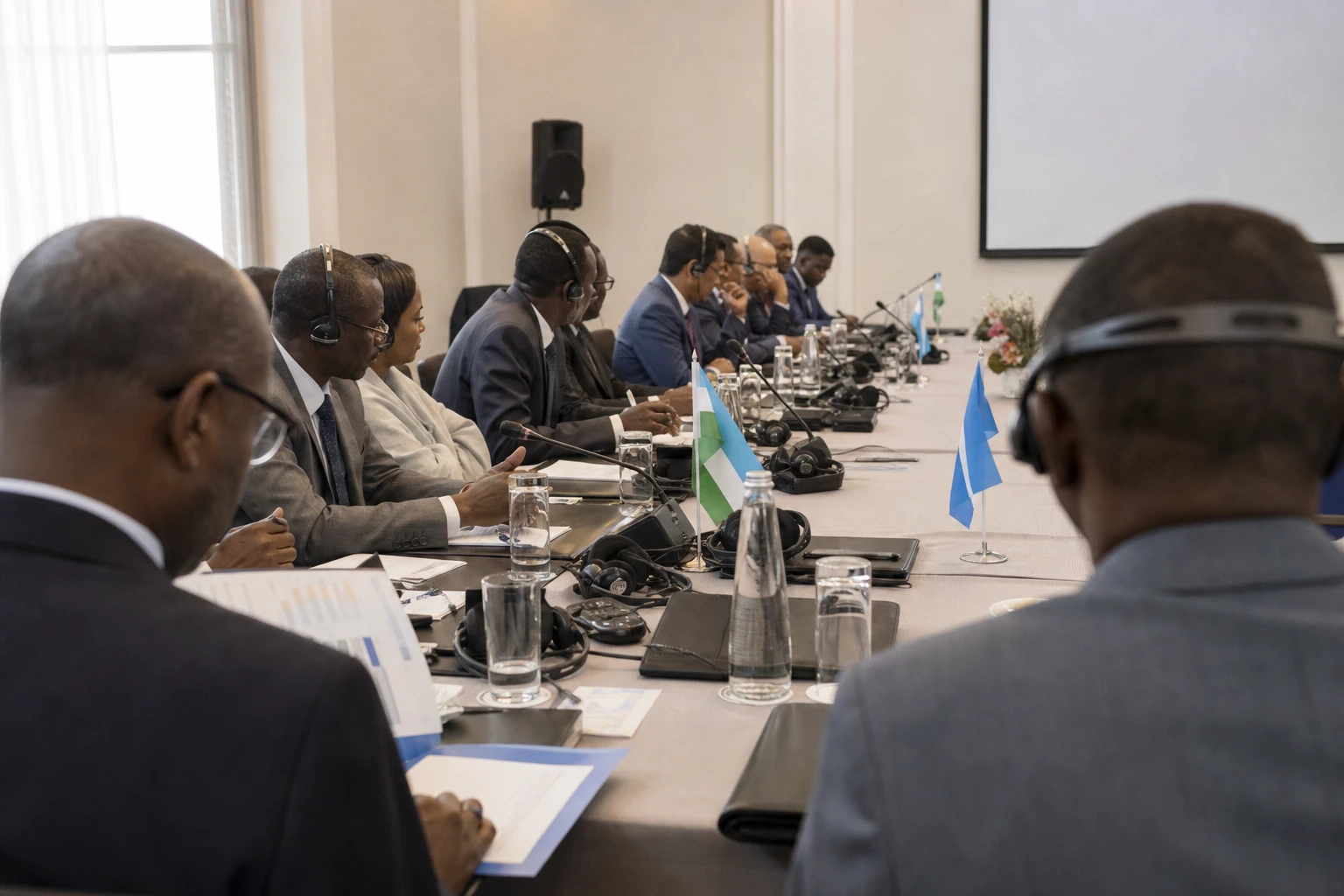
Bosaso, a city under strategic pressure
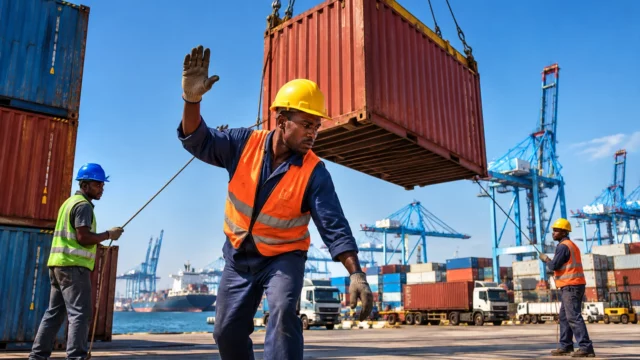
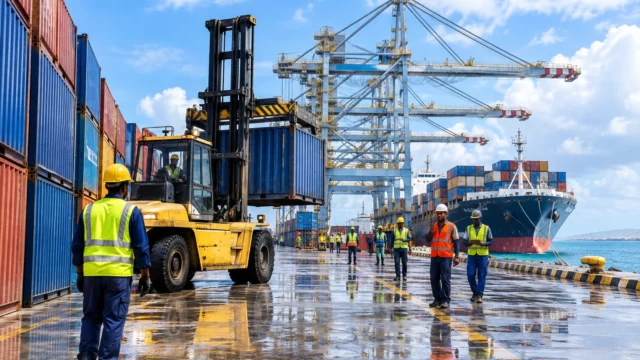
In north-east Somalia, Bosaso is more than a commercial port. It is also a base for counter-terrorism efforts and for monitoring a maritime corridor linking the Gulf of Aden to the Red Sea. In Puntland, a semi-autonomous region, local security is therefore intertwined with issues that extend far beyond Somalia’s borders. The Bari region, where Bosaso is located, has also accounted for a significant share of the armed incidents recorded in recent years.
This context explains the significance of a new agreement between the Puntland authorities and the United States. It is not a symbolic gesture. It forms part of a broader pattern of security cooperation already visible in 2025 and 2026, including US operations against Islamic State in Somalia in the Bosaso area and visits to Puntland by senior AFRICOM officials.
What the agreement provides for
According to details made public on 2 August, the security agreement provides for the expansion of the US military base in Bosaso. Its stated aims are twofold: to strengthen counter-terrorism operations and support maritime security along two sensitive routes, the Red Sea and the Gulf of Aden. Both waterways remain vital to international trade, but are also used for the movement of arms, illicit goods and armed groups.
The political message is clear. Puntland wants to show that it can establish security partnerships with external actors while retaining control over its territory. For the United States, the interest is obvious: to maintain a flexible presence in an area where Islamic State in Somalia and Al-Shabaab continue to pose a threat to regional security. AFRICOM has confirmed several strikes carried out in coordination with Somalia’s federal government in the Bosaso and Puntland area, underlining the operational importance of this coastal strip.
Violence remains concentrated in the south-central region and Puntland
The timing of the agreement is not insignificant. The European Union Agency for Asylum says that, between 1 April 2025 and 31 March 2026, political violence in Somalia was concentrated mainly in two areas: the country’s south-central region and Puntland in the north. The report lists the Bari region among the worst-affected areas and notes a particularly high total of incidents linked to political violence.
The same report says that clashes involving Al-Shabaab account for most of the incidents recorded nationwide, while clan rivalries remain another major source of instability. In Puntland, most of the incidents recorded in Bari were linked to operations against Islamic State in Somalia and related security events. In other words, the threat is not abstract: it takes the form of fighting, stand-off attacks and violence against civilians.
Humanitarian data also confirm the fragility of the situation. Needs remain high in several regions of Somalia, and the authorities, including in Puntland, continue to contend with insecurity, pressure on displacement and difficulties accessing basic services. Bosaso’s coastline attracts investment and trade, but remains exposed to the effects of armed tensions and population movements.
What this means for Mogadishu, Garowe and external partners
For Puntland’s authorities, the agreement strengthens an established political line: securing the north-east, protecting infrastructure and fighting armed groups without waiting for a fully centralised response. It underscores the practical autonomy of Garowe and Bosaso within a Somali federal system often marked by tensions between the central government and federal member states. Puntland has previously asserted its authority to manage certain security agreements concluded with foreign partners.
For Somalia’s federal government, the situation is more delicate. Mogadishu has spent years seeking to strengthen security cooperation with Washington. At the same time, direct negotiations between a federal member state and a foreign power can fuel institutional tensions. Somalia nevertheless maintains close military ties with the United States, which supports Somali forces in the fight against Al-Shabaab and Islamic State in Somalia.
For Washington, the agreement serves a regional purpose. The Horn of Africa remains an area where land security, piracy, trade routes and geopolitical rivalries overlap. Bosaso offers a useful base from which to address threats originating in northern Somalia or crossing the Gulf of Aden. It is also a way to diversify US partnerships on Africa’s Red Sea coast at a time when military and diplomatic balances are shifting rapidly.
Regional significance extends beyond Somalia
This cooperation will have effects well beyond Puntland. The Red Sea and the Gulf of Aden matter to Ethiopia, Djibouti, Yemen, the Gulf states and all the maritime routes linking Asia, the Middle East and Europe. Across Africa, the issue also concerns the African Union and IGAD, the regional organisation for the Horn of Africa, because security in Somalia remains tied to regional dynamics of counter-terrorism, armed mobility and coastal governance.
Two things in particular will need to be watched in the coming weeks. First, how the agreement is implemented on the ground: construction work, resources, the precise boundaries of the base and operational coordination. Second, the response of Somalia’s federal government, which will have to weigh the military value of such a partnership against the delicate balance of Somali federalism. In a country where front lines shift, security is as much a matter of institutions as of arms.