Algeria
 Egypt
 Libya
 Morocco
 Sudan
 Tunisia
 Benin
 Burkina Faso
 Cabo Verde
 Côte d'Ivoire
 Ghana
 Guinea
 Guinea-Bissau
 Liberia
 Mali
 Mauritania
 Niger
 Senegal
 Sierra Leone
 The Gambia
 Togo
 Cameroon
 Central African Republic
 Chad
 DR Congo
 Equatorial Guinea
 Gabon
 Republic of the Congo
 São Tomé and Príncipe
 Burundi
 Comoros
 Djibouti
 Eritrea
 Ethiopia
 Kenya
 Madagascar
 Malawi
 Mauritius
 Mozambique
 Rwanda
 Seychelles
 Somalia
 South Sudan
 Tanzania
 Uganda
 Angola
 Botswana
 Eswatini
 Lesotho
 Namibia
 South Africa
 Zambia
 Zimbabwe
A draw leaves Nigeria on the brink
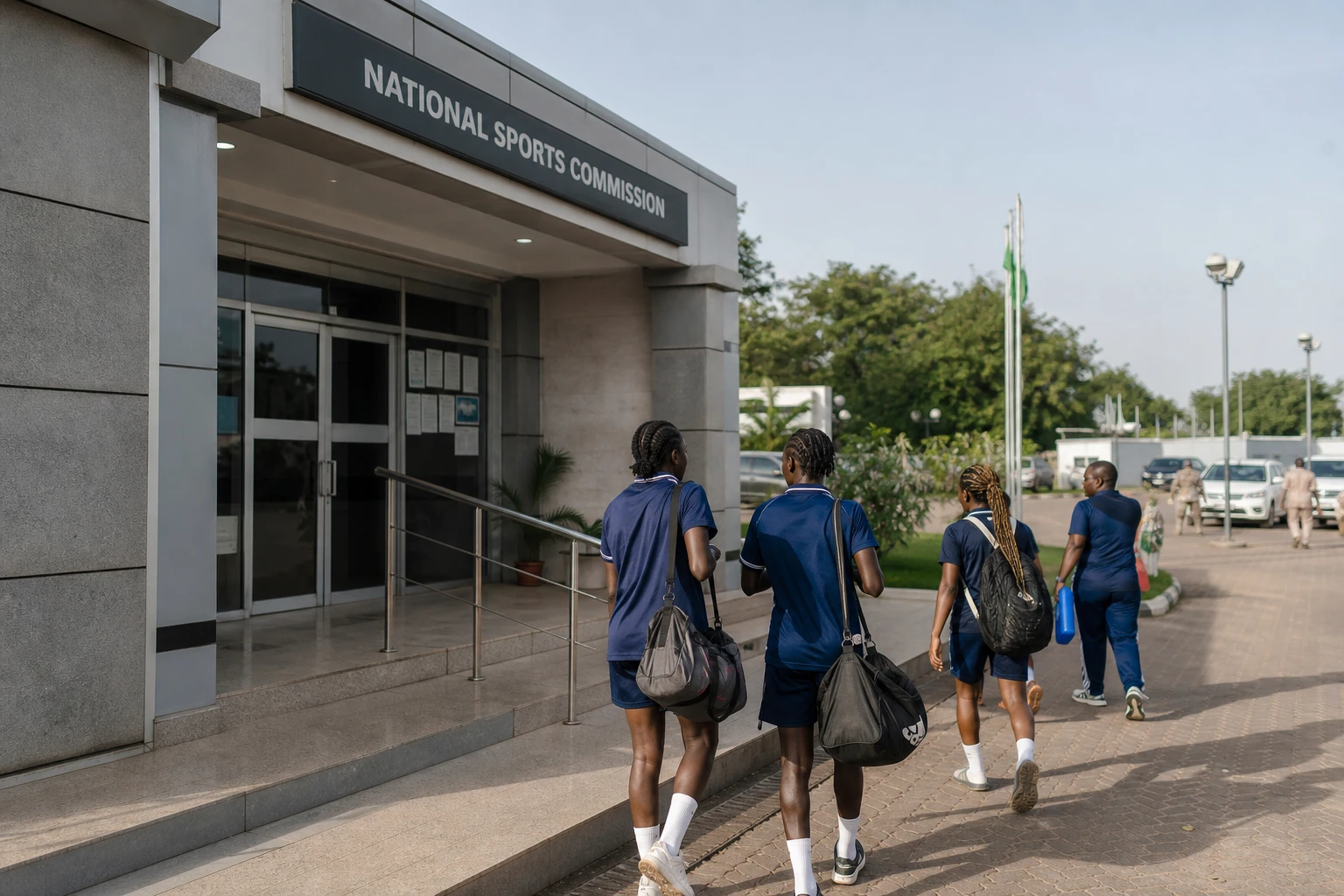
In Sosnowiec, Poland, Nigeria were playing for far more than a second group match. After losing their opening game to Spain, the Nigerian Under-20 side needed points to stay in contention. The 0-0 draw against China keeps them alive, but leaves no room for error. In a tough Group F, every ball now matters for the young Nigerians, often known as the Falconets in their country.
The context makes this draw a difficult one to bear. The tournament is being played from 5 to 27 September 2026 in Poland, across four host cities, and Group F also includes Spain and New Caledonia. Before facing Nigeria, China had recorded a comprehensive 5-0 win over New Caledonia. Spain, meanwhile, had beaten the Nigerians 2-0 on the opening day. In this type of format, goal difference can count as much as a win.
Nigeria are no newcomers to this competition. The women’s U20 side have reached the final twice, in 2010 and 2014. Their return to this level of world football is part of a long tradition in Nigerian women’s football, which remains among the continent’s most established despite often uneven cycles between age groups.
What the match says about Nigerian football
The draw says one simple thing above all: technical progress is not enough if finishing does not match the rest of the performance. On the international stage, Nigeria retain an athletic foundation, intensity and a genuine competitive culture. But against teams able to keep possession, close down space and sustain pressure, a lack of efficiency quickly becomes a handicap. That is exactly what has emerged from the Falconets’ campaign in this group.
For the team, the stakes go beyond the standings. A strong U20 campaign feeds into the senior side, strengthens local pathways and showcases a pool of women’s talent that remains too often underused. In Nigeria, players from academies, local league clubs and the diaspora are not just representing a flag. They also carry the promise of renewal for African women’s football, which is becoming increasingly competitive. The Confederation of African Football had also welcomed Nigeria and Ghana’s qualification for this edition in Poland, a sign that West Africa remains a strong force in these age groups.
The result against China also has tactical significance. Against a technically polished Asian side, Nigeria had to defend without converting their spells of pressure. This kind of scenario is common in major youth tournaments: it rewards teams able to remain patient, disciplined and efficient in the final third. For Abuja, it raises a question broader than Thursday’s match alone: how can recognised potential be turned into consistent output over the course of a competition?
The answer will come on the final day of the group stage, against New Caledonia. Nigeria have little choice now: they will have to score, win if possible, and then wait for the other results. In a group where Spain and China have already moved ahead, the slightest mistake could cost them a place in the last 16. The tension is all the greater because the group tables in this tournament have quickly revealed some very wide goal differences elsewhere in the competition.
A continental perspective, beyond Group F
For Africa, this kind of tournament is a barometer. It measures the depth of national talent pools, the quality of preparation and federations’ ability to bring young players through to the highest level. Nigeria, a heavyweight in African women’s football, remains under close scrutiny from ECOWAS, in the sporting sense: the region often expects its leading nations to hold their own against the world’s best systems.
The signal is continental too. With other African women’s football fixtures just days away, the performance of youth teams affects the game’s wider momentum. It influences coaching choices, domestic calendars and the credibility of development programmes. In Nigeria’s case, a hard-fought qualification would be a reminder that a great nation is judged not only by its honours, but also by its ability to rebuild its reserve teams without pause.
This Thursday in Poland, Nigeria did not secure the victory they had hoped for. They got a result that leaves a door open. But that door is narrow. And in a World Cup group, that changes everything.