Algeria
 Egypt
 Libya
 Morocco
 Sudan
 Tunisia
 Benin
 Burkina Faso
 Cabo Verde
 Côte d'Ivoire
 Ghana
 Guinea
 Guinea-Bissau
 Liberia
 Mali
 Mauritania
 Niger
 Senegal
 Sierra Leone
 The Gambia
 Togo
 Cameroon
 Central African Republic
 Chad
 DR Congo
 Equatorial Guinea
 Gabon
 Republic of the Congo
 São Tomé and Príncipe
 Burundi
 Comoros
 Djibouti
 Eritrea
 Ethiopia
 Kenya
 Madagascar
 Malawi
 Mauritius
 Mozambique
 Rwanda
 Seychelles
 Somalia
 South Sudan
 Tanzania
 Uganda
 Angola
 Botswana
 Eswatini
 Lesotho
 Namibia
 South Africa
 Zambia
 Zimbabwe
A parallel economy weighing on families and the state
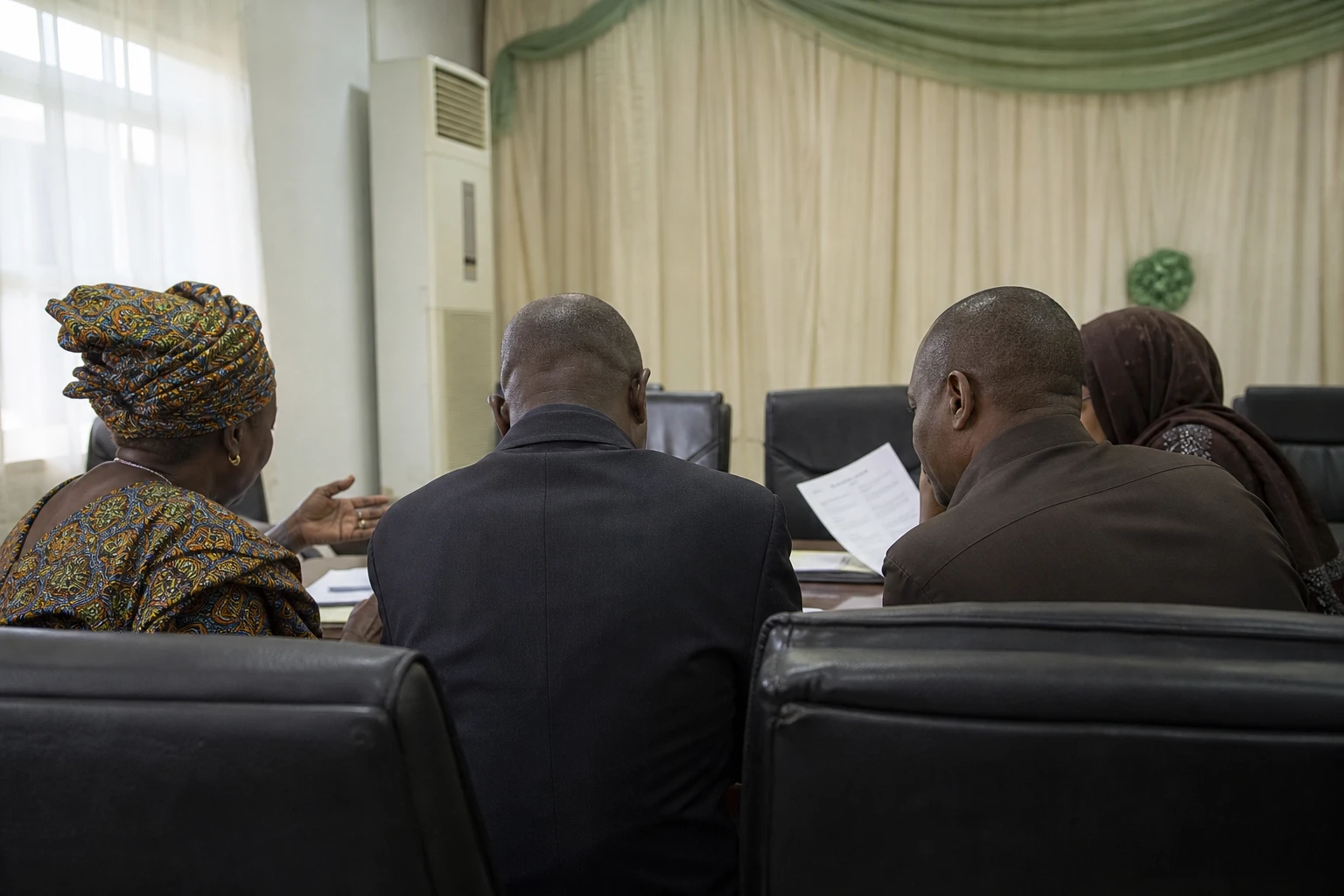
In parts of Nigeria, kidnapping is no longer a fleeting act of violence. It has become a market, with its intermediaries, money flows and beneficiaries. In Abuja, the federal government is taking a hard line. But on the ground, many families continue to negotiate for their loved ones’ lives alone, often urgently and in secret.
This reality points to more than crime alone. It also reflects waning trust in security forces, pressure on rural areas and fragile public services, particularly in northern Nigeria, where armed groups move between banditry, insurgency and extortion. Nigeria, Africa’s largest economy by size, is thus seeing part of its informal economy absorbed into a logic of survival.
Figures confirm the scale of the phenomenon
Between July 2025 and June 2026, kidnappers obtained 7.78 billion naira, or about $5.8 million, according to a study published this week and picked up by several international and Nigerian media outlets. The same study records 7,825 people abducted in 1,713 kidnapping-related incidents, a 66% increase on the previous year.
The phenomenon remains highly uneven geographically. The North accounts for 93.7% of incidents. The North-West alone accounts for 4,771 victims. In this sub-region, Zamfara and Sokoto are among the worst-affected states. Zamfara recorded 236 attacks and 1,921 victims, while Sokoto saw 179 incidents and 1,157 victims.
The report also highlights a major change in tactics. Mass abductions, defined as those targeting more than five people, now account for nearly 80% of cases. In other words, group abductions have become more profitable, faster and more visible than isolated attacks. They are also fuelling fear in schools, markets and villages.
Schools remain a strategic target. Their closure or disruption affects learning, but also agricultural activity, as families often take their children out of class during periods of threat. This disrupts part of the rural calendar and reinforces the idea that insecurity attacks not only people but also incomes and social prospects.
Who benefits, and why it continues
One point stands out clearly: JAS, Boko Haram’s historic faction, is believed to have captured nearly 90% of the ransoms recorded. This concentration helps explain why some armed groups have greater financial resources than several local administrations. It also explains why mass abductions have become a funding tool in their own right.
The debate also concerns the source of the payments. The Nigerian government bans the payment of ransoms and has treated armed groups as terrorist organisations since 2022. Yet the scale of the sums recorded has fuelled suspicions of direct or indirect involvement by public actors, particularly in some cases involving the release of large numbers of people. An analyst cited in the report says it is difficult to imagine such a large amount of money being raised without the authorities’ involvement. This is an assessment, not a fact established by public evidence.
The payment mechanism remains discreet. Transfers rarely go through the banking system. Instead, they are made in cash, through intermediaries who negotiate between kidnappers, families and sometimes local officials. This flow of cash complicates prosecutions and reduces traceability, even as Nigeria’s Financial Intelligence Unit points out that laws against terrorist financing and money laundering can be used in such cases.
The real social cost is also felt elsewhere. When a kidnapping becomes likely, residents adapt their movements, limit trade, reduce night-time travel and sometimes give up farming in certain areas. For city dwellers, this means higher prices for private security. For rural residents, it often means living with fewer options, less mobility and less state presence.
What this says about Nigeria and the region
The Nigerian case goes far beyond policing. It concerns ECOWAS, as armed groups move through porous border areas between Nigeria, Niger, Chad and Cameroon. It also concerns the African Union, through efforts to combat the financing of violence, protect schools and secure rural areas. When kidnapping becomes a business model, it fuels recruitment, local corruption and distrust of institutions.
For Abuja, the challenge is now twofold. It must reduce armed groups’ operational capacity, but also make kidnapping unprofitable. This requires better co-ordination between the police, military, financial intelligence and local authorities, while protecting victims who hesitate to report payments. Without this network, the figures risk continuing to climb year after year, with a knock-on effect across the central Sahel and the Lake Chad basin.
The current sequence is a reminder of one simple fact: in today’s Nigeria, kidnappings are not merely a symptom of insecurity. They have also become an instrument of power, pressure and financing. And as long as this instrument remains profitable, armed groups will retain a capacity to cause harm far greater than their numbers would suggest.