Algeria
 Egypt
 Libya
 Morocco
 Sudan
 Tunisia
 Benin
 Burkina Faso
 Cabo Verde
 Côte d'Ivoire
 Ghana
 Guinea
 Guinea-Bissau
 Liberia
 Mali
 Mauritania
 Niger
 Senegal
 Sierra Leone
 The Gambia
 Togo
 Cameroon
 Central African Republic
 Chad
 DR Congo
 Equatorial Guinea
 Gabon
 Republic of the Congo
 São Tomé and Príncipe
 Burundi
 Comoros
 Djibouti
 Eritrea
 Ethiopia
 Kenya
 Madagascar
 Malawi
 Mauritius
 Mozambique
 Rwanda
 Seychelles
 Somalia
 South Sudan
 Tanzania
 Uganda
 Angola
 Botswana
 Eswatini
 Lesotho
 Namibia
 South Africa
 Zambia
 Zimbabwe
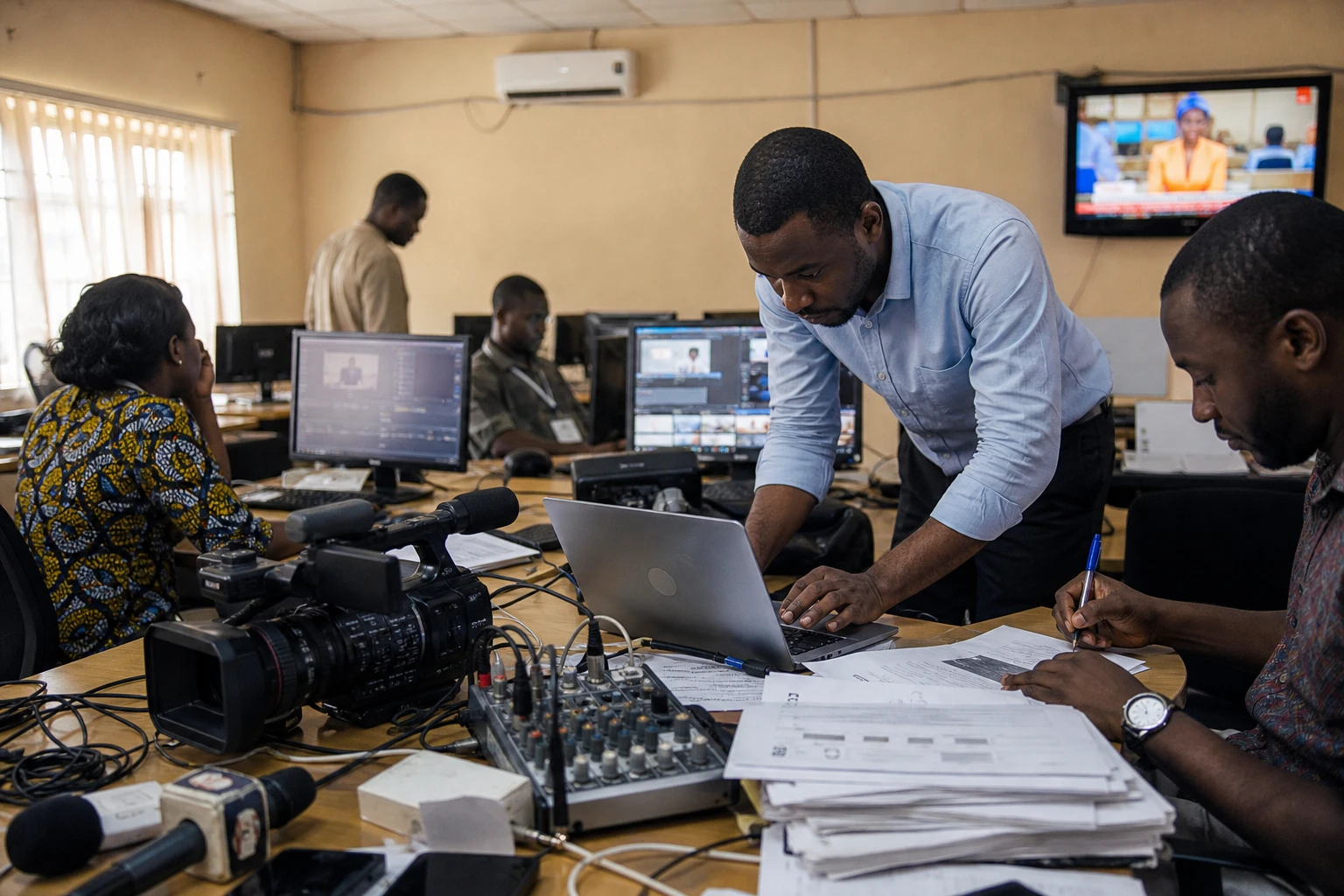
In Borgu, insecurity now strikes places of gathering too
In north-western and west-central Nigeria, violence is no longer confined to roads or isolated villages. It is also reaching mosques, at the very moment communities gather, pray and travel together.
This reality weighs heavily on Niger State, where rural communities in Borgu already live under the threat of kidnappings for ransom, bandit attacks and incursions by more organised armed groups. In this border and forest zone, security depends as much on the presence of law enforcement as on the condition of roads, communications and co-operation between villages. Analysts at the Institute for Security Studies describe Lakurawa as a hybrid actor, both jihadist and criminal, which exploits fault lines between Nigeria, Niger and Benin.
The ISS’s work on Lakurawa also shows that the group is part of a broader regional dynamic, fuelled by porous borders and security tensions in the Sahel. This backdrop helps explain why a local attack can have repercussions far beyond a single Nigerian district.
What is known about the 21 August attack
On Friday 21 August 2026, shortly after the main prayer in the village of Dikera, gunmen attacked several communities in Borgu local government area, Niger State. Survivors described the arrival of several hundred attackers armed with guns, knives and machetes. A federal lawmaker reported that another armed group, Mahmuda, had intervened and clashed with the attackers, allowing some residents to flee.
The toll remains uncertain. Initial reports referred to dozens of people killed and abducted. The Nigerian police, for their part, confirmed on Saturday 22 August the abduction of more than 60 worshippers in Niger State during Friday prayers, giving an indication of the scale of the operation. Some victims managed to escape amid the confusion caused by clashes between armed groups.
The attackers have been attributed to Lakurawa, a group that several investigations and research centres describe as having emerged from the Sahelian milieu, with roots in Niger and Mali, and whose activity in Nigeria’s border areas has intensified since security co-operation in the region broke down. Nigeria officially designated it a terrorist organisation in January 2026, according to the ISS.
Why Borgu remains vulnerable
Borgu is not a peripheral territory in political terms. It is a pivotal area, close to Benin and linked by essential trade routes to New Bussa and other markets in western Nigeria. When insecurity takes hold there, traders, farmers, drivers and families are the first to bear the brunt. Informal activities, widespread in this part of Nigeria, quickly grind to a halt. Schools close more readily. Healthcare becomes harder to reach. And the cost of transporting crops rises immediately.
The problem is also logistical. Local authorities acknowledge that poor road conditions make it harder to locate victims and pursue attackers. This weakness is not merely technical. It reflects a lasting deficit in public presence in areas where the state can neither control the territory nor guarantee a rapid response after an attack. In this context, armed groups impose their own rule, sometimes under the guise of religious arguments, sometimes drawing on the economy of kidnapping and forced levies.
The contrast is all the sharper because the federal government in Abuja is emphasising an increasingly technology-driven response to insecurity. Bola Ahmed Tinubu’s presidency stresses intelligence tools, inter-agency co-ordination and targeted operations. But on the ground, in Niger State as in other north-western states, people judge effectiveness first by the ability to prevent attacks, find the missing and secure everyday roads.
A warning for Nigeria and West Africa
The attack is a reminder that Nigeria’s security threat remains multifaceted. Boko Haram and the Islamic State West Africa Province continue to operate in the Lake Chad basin. Armed bandits are still carrying out attacks in several north-western states. Lakurawa adds another layer, with a shifting identity, cross-border movements and the ability to exploit local vulnerabilities. The International Crisis Group and the ISS have for several months described a group that draws on both the grey areas of cross-border trade and conflicts over religious and community authority.
For West Africa, the stakes go beyond Nigeria alone. Nigeria is at the heart of ECOWAS, whose ability to move goods, fuel and agricultural products depends on the stability of its main economic routes. When corridors in Niger, Kebbi or Borgu are closed under armed pressure, the entire regional chain is weakened, from border markets to the ports of the Gulf of Guinea. The threat is therefore not only military. It is commercial, social and political.
What happens next will depend on two fronts. One is the immediate security response, including the search for survivors, the pursuit of kidnappers and the protection of neighbouring communities. The other is the Nigerian authorities’ ability to establish a lasting presence in rural areas of the north-west. Without passable roads, detailed intelligence, co-ordination with neighbouring states and protection for villagers, groups such as Lakurawa will continue to find places to retreat, recruit and strike again.