Algeria
 Egypt
 Libya
 Morocco
 Sudan
 Tunisia
 Benin
 Burkina Faso
 Cabo Verde
 Côte d'Ivoire
 Ghana
 Guinea
 Guinea-Bissau
 Liberia
 Mali
 Mauritania
 Niger
 Senegal
 Sierra Leone
 The Gambia
 Togo
 Cameroon
 Central African Republic
 Chad
 DR Congo
 Equatorial Guinea
 Gabon
 Republic of the Congo
 São Tomé and Príncipe
 Burundi
 Comoros
 Djibouti
 Eritrea
 Ethiopia
 Kenya
 Madagascar
 Malawi
 Mauritius
 Mozambique
 Rwanda
 Seychelles
 Somalia
 South Sudan
 Tanzania
 Uganda
 Angola
 Botswana
 Eswatini
 Lesotho
 Namibia
 South Africa
 Zambia
 Zimbabwe
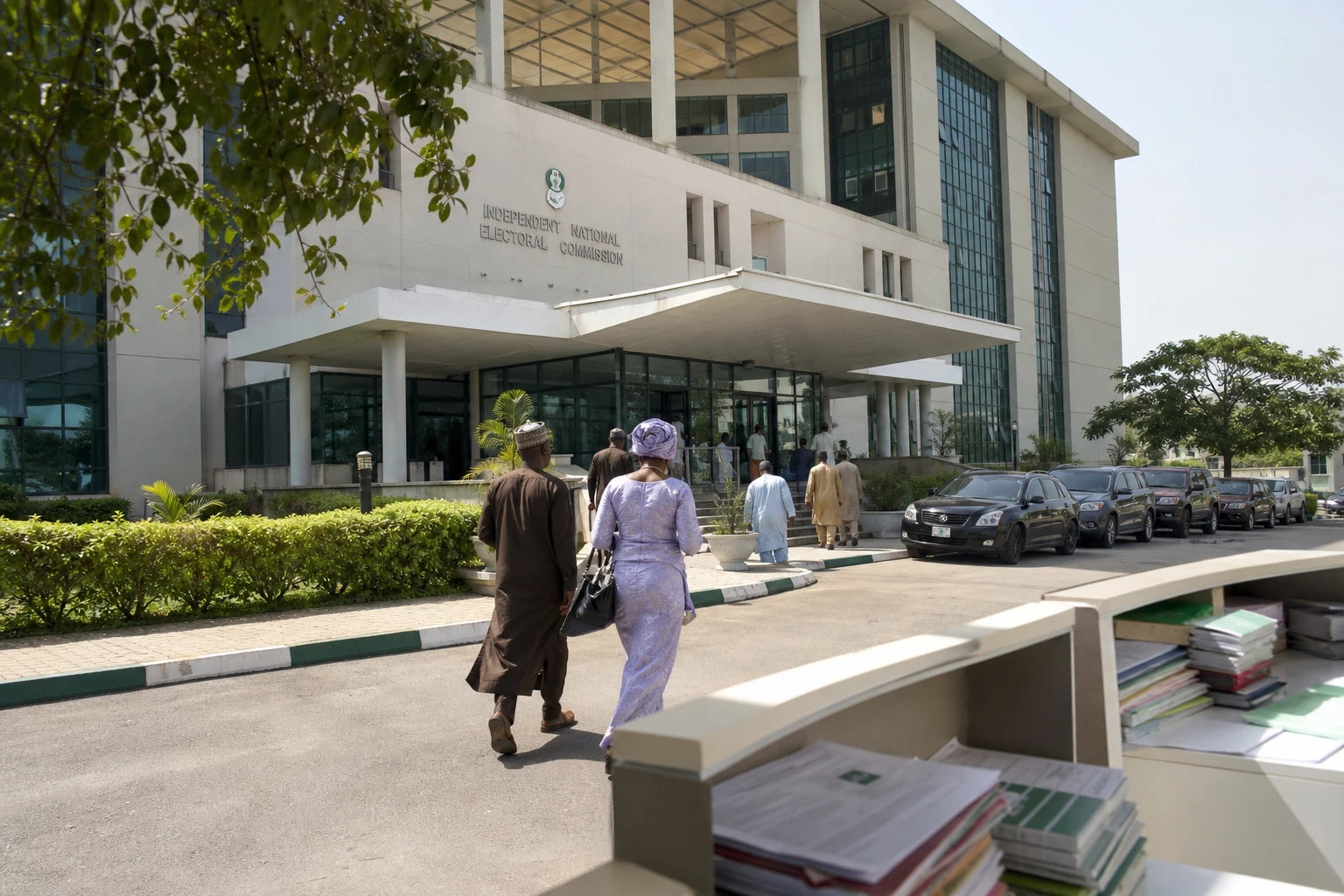
In Abuja, the race began before the rallies
In Nigeria, major electoral battles are rarely fought only at the ballot box. They are also won by the ability to reassure voters, maintain an economic course and protect them, especially when prices are rising and insecurity is spreading. The run-up to the 2027 presidential and parliamentary elections is therefore beginning in a country where every promise will be judged against everyday life, not slogans.
The institutional framework is now in place. The Independent National Electoral Commission, INEC, has published its timetable for the 2027 federal elections, while several parties have already finalised their tickets and begun talking about the campaign. INEC’s official website sets the presidential and federal legislative elections for 16 January 2027, while parties have announced 19 August 2026 as the date for the launch of their public campaign activities for the presidency and House of Representatives.
A national vote under economic and security pressure
Nigeria is Africa’s most populous country, with an immense electoral geography and a fragmented political landscape. To win, a candidate must not only come first, but also secure at least 25% of the vote in at least 24 of the 36 states, a rule that obliges contenders to appeal to the whole country, not just their strongholds.
This requirement weighs particularly heavily on incumbent President Bola Ahmed Tinubu, who is seeking to defend an economic record contested by part of the population. The International Monetary Fund estimates Nigeria’s growth at 4% in 2025, while inflation stood at 15.4% in March 2026 in its country assessment; Nigeria’s statistics office subsequently reported inflation of 15.91% in June 2026. In other words, some indicators are improving, but the high cost of living remains very much present in households.
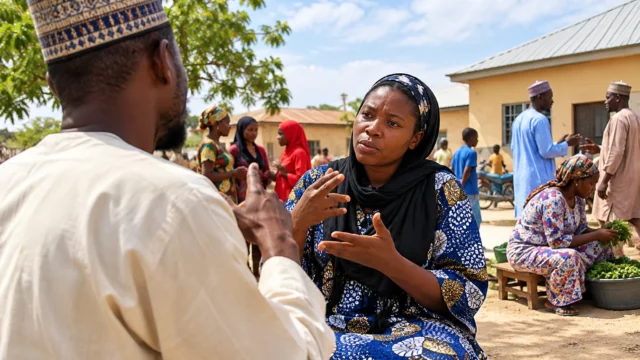
The debate over the cost of living directly affects both major cities and rural areas. In markets, families are forced to choose between food, transport and housing. Businesses, meanwhile, continue to cite electricity and security as major constraints. A central bank survey, reported by the Nigerian business press, again ranked power cuts and insecurity as businesses’ main difficulties in March 2026.
The opposition, for its part, is seeking to turn its online visibility into real electoral strength. The ADC has nominated Atiku Abubakar, who also came second in 2023, while Peter Obi is now backed by the NDC, with Rabiu Musa Kwankwaso as his running mate. Several Nigerian sources have also reported three women among the presidential candidates, a rare signal in the country’s electoral history.
But the real test will be unity. Part of the opposition is still pushing for a single candidate to avoid splitting the vote, a scenario that had already helped the incumbent win in 2023. Five months before the vote, the challenge is not only to defeat Tinubu; it is also to determine whether his rivals can speak with one voice in a system where fragmentation comes at a high cost.
Security, territory and regional reach
Security remains the other major dividing line. The north of the country remains exposed to jihadist groups and armed gangs, while the central region is regularly hit by deadly clashes over land and resources. In June and July 2026, several attacks and abductions were a reminder that the problem is no longer confined to a single area. Reuters has documented the spread of school kidnappings to the south-west in particular, a powerful political signal ahead of the vote.
In Plateau, in the centre of the country, repeated attacks have again left dozens dead, according to officials and residents, against a backdrop of longstanding tensions between herders and farmers. In the north-west, clashes also claimed the lives of police officers in August 2026. These episodes fuel a central question for the campaign: can the Nigerian state still guarantee freedom of movement, voting and campaigning across its territory?
For ECOWAS, Nigeria is at once a political power, a major market and a security pillar. A contested but credible election would strengthen its regional influence. Conversely, a campaign disrupted by insecurity or by post-election disputes would weaken the whole West African region, already shaped by military transitions, economic pressures and tensions over democratic governance. Abuja therefore faces more than a possible change of government: it is testing the strength of a political model that remains central to West Africa.
The timetable now under way will show whether Tinubu’s economic reforms become a campaign argument, or whether the high cost of living and insecurity impose a different narrative. Nigeria is entering its electoral battle with a simple truth: the figures matter, but they are not enough if voters have yet to see a difference on their plates, in their streets and on their way to the polling station.