Algeria
 Egypt
 Libya
 Morocco
 Sudan
 Tunisia
 Benin
 Burkina Faso
 Cabo Verde
 Côte d'Ivoire
 Ghana
 Guinea
 Guinea-Bissau
 Liberia
 Mali
 Mauritania
 Niger
 Nigeria
 Senegal
 Sierra Leone
 The Gambia
 Togo
 Cameroon
 Central African Republic
 Chad
 DR Congo
 Equatorial Guinea
 Gabon
 Republic of the Congo
 São Tomé and Príncipe
 Burundi
 Comoros
 Djibouti
 Eritrea
 Ethiopia
 Kenya
 Madagascar
 Malawi
 Mauritius
 Mozambique
 Rwanda
 Seychelles
 Somalia
 South Sudan
 Tanzania
 Uganda
 Angola
 Botswana
 Eswatini
 Lesotho
 South Africa
 Zambia
 Zimbabwe
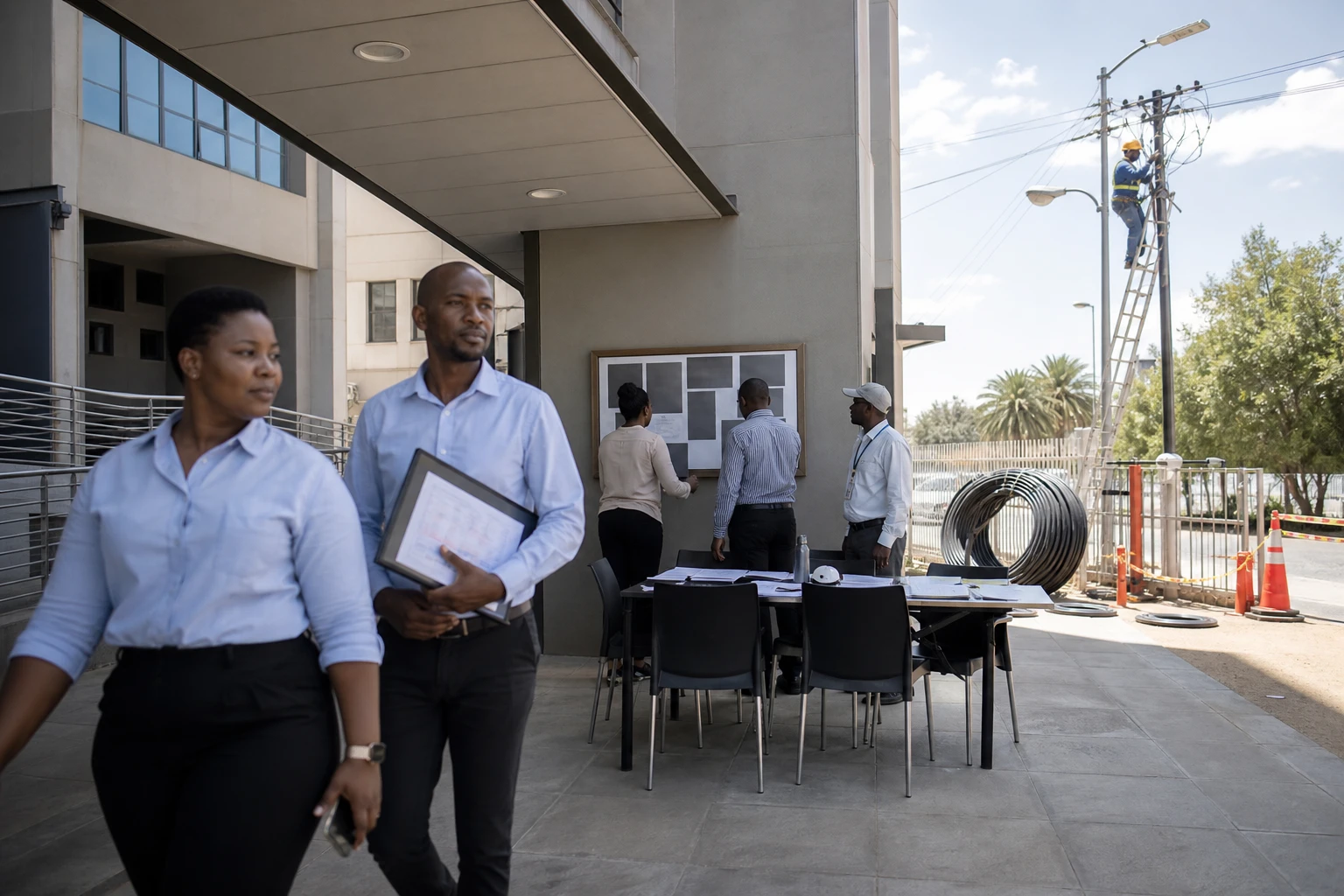
When electricity becomes a network issue too
In Namibia’s rural areas, the problem is not just having a phone. It also requires a stable signal, reliable power and sustainable deployment costs. This is precisely where a new agreement concluded in Windhoek between the communications regulator and the electricity distributor in the north of the country comes into play.
The logic is simple. An electricity line, a pole, secure access to land and shared information about outages can speed up the arrival of broadband. In Namibia, where the distance between communities weighs on the commercial viability of infrastructure, this kind of cooperation matters more than a mere administrative gesture.
A five-year agreement, but no budget or timetable yet
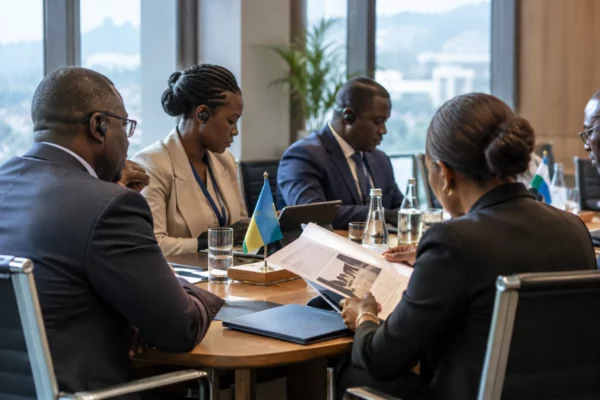
On 25 August 2026, the Communications Regulatory Authority of Namibia, known as CRAN, and the Northern Regional Electricity Distributor, or NORED, signed a five-year memorandum of understanding. The agreement aims to better coordinate rural electrification and broadband rollout in underserved areas, particularly in the north of the country.
The agreement provides for data exchanges, joint infrastructure planning and the sharing of information about power cuts that could disrupt communications networks. CRAN representatives will be able to access certain information from NORED about power cuts in order to anticipate their impact on digital services.
Emilia Nghikembua, CRAN’s chief executive, described the memorandum as an important step towards better cooperation between the communications and energy sectors. The aim is to improve connectivity, quality of service and the socio-economic inclusion of Namibians, according to her comments reported by the regulator.
But the framework is non-binding at this stage. No budget has been made public. No operational timetable has been announced. No quantified coverage targets have been set. In other words, the agreement’s value will depend above all on whether it is translated into visible projects on the ground.
Why this cooperation matters to all of Namibia
Namibia is not making its first effort to extend coverage to remote areas. For several years, the ministry responsible for energy has presented rural electrification as a central pillar of development policy. The aim is to extend access to electricity in rural areas to improve living conditions and support local economic activity.
On the digital front, CRAN has already launched universal service initiatives in remote regions. In 2026, the authority inaugurated a second tower funded by the Universal Service Fund in Ehomba, in the Kunene region, following an initial site at Epinga, in the Ohangwena region, at the end of 2025. These projects show that the coverage gap remains real, even as the national map improves.
Data published by the regulator also show that 4G coverage rose from 79% in 2021 to 88% in 2024, while 117 schools and 34 clinics have been connected to 4G since 2022. These figures suggest real progress, but also an uneven geography of service, with rural pockets still left out.
In this context, the CRAN-NORED agreement has practical value. It could reduce civil engineering costs by sharing routes. It could also limit network outages caused by power cuts, a sensitive issue in communities where every hour without electricity disrupts shops, public services, schools and small informal businesses.
For people in urban areas, the issue may seem technical. For rural households, it is much more immediate. An absent or unstable network blocks calls, access to administrative services, remote medical consultations and young entrepreneurs’ activities. In the northern regions, where NORED serves a significant part of the territory, power continuity is therefore a condition for digital continuity.
A model already taking shape elsewhere in Southern Africa
Namibia is part of a broader Southern African trend. Infrastructure sharing is increasingly seen as a way to reduce broadband costs in sparsely populated areas. It avoids duplicating poles, land, surveys and rights of way. It also helps regulators coordinate energy, telecoms and universal service rather than treating each sector separately.
The country already has a stronger digital foundation than it did a decade ago, with investment in submarine cables and national links. Telecom Namibia, for example, notes its participation in several major international backbones, including SEACOM, WACS and Equiano. But these international connections are not enough if the last mile, especially in rural areas, remains unreliable or too expensive.
At regional level, this kind of agreement is also of interest to the Southern African Development Community, or SADC, which has for several years promoted the integration of markets and infrastructure. For Windhoek, the issue is therefore not only technical. It affects the country’s competitiveness, the quality of public services and Namibia’s place in regional connectivity chains.
The decisive test remains: moving from coordination to implementation. In the coming months, it will be important to see whether CRAN and NORED publish joint projects, pilot sites or monitoring mechanisms. Only then can the Windhoek agreement become more than a framework of good intentions.