Algeria
 Egypt
 Libya
 Morocco
 Sudan
 Tunisia
 Benin
 Burkina Faso
 Cabo Verde
 Côte d'Ivoire
 Ghana
 Guinea
 Guinea-Bissau
 Liberia
 Mali
 Mauritania
 Niger
 Senegal
 Sierra Leone
 The Gambia
 Togo
 Cameroon
 Central African Republic
 Chad
 DR Congo
 Equatorial Guinea
 Gabon
 Republic of the Congo
 São Tomé and Príncipe
 Burundi
 Comoros
 Djibouti
 Eritrea
 Ethiopia
 Kenya
 Madagascar
 Malawi
 Mauritius
 Mozambique
 Rwanda
 Seychelles
 Somalia
 South Sudan
 Tanzania
 Uganda
 Angola
 Botswana
 Eswatini
 Lesotho
 Namibia
 South Africa
 Zambia
 Zimbabwe
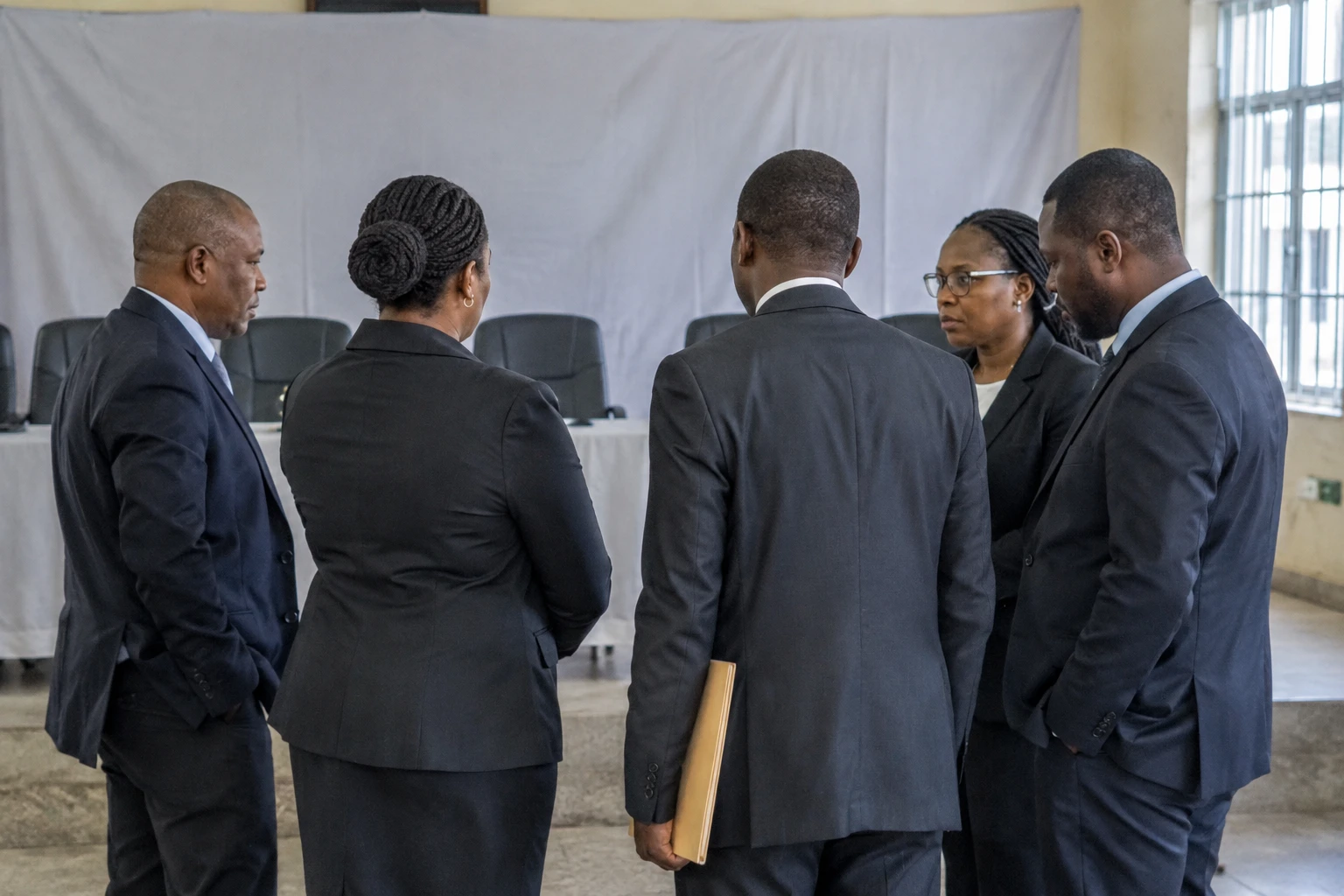
An arrest on suspicion of illegal mining should not become a death sentence before any trial. In Nigeria, a report published on 27 October on the deaths of detainees in Minna raises an urgent question: who is accountable for the conditions imposed on people in state custody?
The tragedy took place in Niger State, in central Nigeria. It is not the neighbouring country of Niger. Minna is the capital of the state; Abuja is Nigeria’s capital.
From 37 reported deaths to 33 confirmed cases
On 17 September 2026, men arrested during operations targeting suspected illegal mining were found dead at a detention facility run by the Nigerian Security and Civil Defence Corps (NSCDC) in Minna. State authorities had announced 37 deaths. A federal commission of inquiry subsequently checked the records and identities: it confirmed 33 deaths, including 14 minors. The figures therefore reflect different stages of verification.
Presenting the commission’s findings, its chairman, Jonathan Kure, described the case as a preventable tragedy. According to the medical and forensic evidence examined by the panel, the victims died of asphyxiation after being confined for a prolonged period in a heavily overcrowded and poorly ventilated cell. Heat and dehydration are thought to have worsened the situation. These findings have been reported by several Nigerian media outlets, including The Guardian Nigeria and Premium Times.
Survivors described a cramped cell in which dozens of people were held. According to their accounts relayed early in the inquiry, some detainees reportedly said they were having difficulty breathing and banged on the door. Detainees also claimed that an irritant had been sprayed in the room. These statements should be distinguished from the forensic findings: the report links the deaths to asphyxiation and detention conditions, but each account of the precise sequence of events remains a separate allegation.
The federal government announced on 19 September that it was setting up an independent commission after the initial announcement of 37 deaths. It also suspended officers concerned while the inquiry was under way. This initial decision, announced by the Nigerian presidency, does not prejudge individual criminal liability.
Pre-trial detention under scrutiny
The Minna case concerns people detained by the NSCDC, not a prison run by the Nigerian Correctional Service. This institutional distinction matters: responsibility rests directly with the agency that controlled the facility, while the case also raises broader questions about the safeguards applicable to anyone deprived of their liberty.
The commission described a combination of factors: overcrowding, inadequate ventilation, failures in monitoring and a breach of the duty of care. It characterised the conditions as cruel, inhuman and degrading treatment. For the families, the issue goes beyond establishing the medical causes: they need to know how the arrests and detention were organised, who was aware of pleas for help, and what judicial action will follow.
The state of Nigeria’s prisons gives these questions added significance, without conflating the agencies involved. In July 2026, the federal Ministry of Information said the country’s correctional facilities held about 80,732 people, despite having capacity for about 68,496. These figures describe the national correctional system, not the NSCDC cell in Minna. They nevertheless illustrate the continuing pressure on detention facilities. The ministry also referred to expansion projects and reform measures.
Beyond the walls, the case also touches on the balance between tackling illegal mining and respecting the rights of suspects. Artisanal gold mining can provide an income for workers and families, but unauthorised activities often escape oversight and can feed illicit networks. This reality does not turn an arrest into proof of guilt. Nor does it suspend the duty to protect people in detention.
A response awaited in Abuja and across the region
The findings must now lead to verifiable action: publication of the responsibilities established, disciplinary or judicial decisions based on the evidence, and an independent review of detention conditions. The commission recommends corrective measures to prevent other detainees from being exposed to comparable risks. The findings on the deaths are now supported by forensic examinations reported by the Nigerian press; they do not, however, replace judicial proceedings to determine each officer’s responsibility.
For residents of Niger State, the consequences are immediate: families have lost loved ones, and survivors must be able to give evidence without intimidation. For the federal authorities in Abuja, the challenge is to show that an administrative inquiry can lead to concrete safeguards, including in detention facilities that do not fall under the ordinary prison service.
Across West Africa, the case is a reminder that co-operation against mining-related trafficking and the protection of rights must go hand in hand. ECOWAS, the West African regional economic community, is not the authority responsible for this national inquiry. But how Nigeria handles detentions linked to mining economies will affect confidence in its institutions and regional responses to cross-border networks. The next decisive step will be to follow up on the recommendations and publicly establish responsibility.