Algeria
 Egypt
 Libya
 Morocco
 Sudan
 Tunisia
 Benin
 Burkina Faso
 Cabo Verde
 Côte d'Ivoire
 Ghana
 Guinea
 Guinea-Bissau
 Liberia
 Mali
 Mauritania
 Niger
 Nigeria
 Senegal
 Sierra Leone
 The Gambia
 Togo
 Cameroon
 Central African Republic
 Chad
 DR Congo
 Equatorial Guinea
 Gabon
 Republic of the Congo
 São Tomé and Príncipe
 Burundi
 Comoros
 Djibouti
 Eritrea
 Ethiopia
 Madagascar
 Malawi
 Mauritius
 Mozambique
 Rwanda
 Seychelles
 Somalia
 South Sudan
 Tanzania
 Uganda
 Angola
 Botswana
 Eswatini
 Lesotho
 Namibia
 South Africa
 Zambia
 Zimbabwe
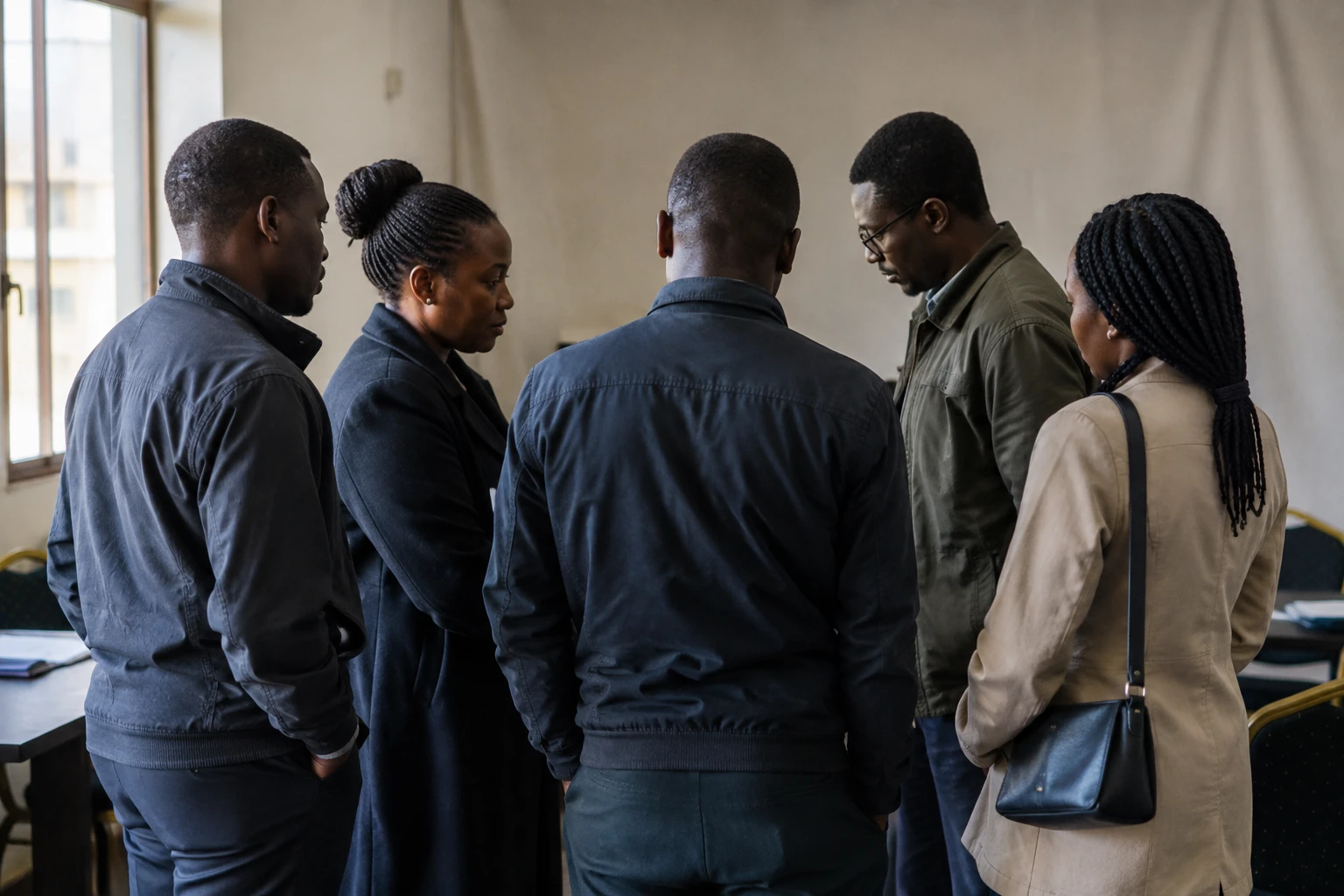
A Tanzanian activist has disappeared in Kenya, a few hundred kilometres from his home country. The case poses a practical question for the authorities in Nairobi: how can people in exile be protected when their safety appears to be threatened across borders?
Disappearance reported in Machakos County
Twaha Mwaipaya, a former head of youth mobilisation for Tanzania’s opposition party Chadema, is missing after a suspected abduction in Kenya. Amnesty International Kenya places the incident on Sunday 25 October 2026, in the Kamulu area of Machakos County, east of Nairobi. The date is significant: it is the first anniversary of Tanzania’s presidential election on 29 October 2025.
According to accounts reported by Amnesty, Mwaipaya was in a taxi with a friend when a vehicle blocked their way. Masked men reportedly blocked the doors and forced the driver to leave with the activist. His companion is said to have escaped. As of 26 October, the perpetrators and Mwaipaya’s whereabouts were not publicly known.
Kenyan media outlet Citizen Digital also reports that the suspected abduction took place in Kamulu and cites a call by a Tanzanian civil society movement for the Kenyan authorities to establish the activist’s whereabouts. Tanzanian outlet The Chanzo notes that not all details of the attack have been independently verified and that no official Kenyan statement specific to the case had been issued when it reported on it. The abduction therefore remains a serious allegation, attributed to witnesses and the organisations reporting it, rather than a fact publicly established by an official investigation.
Exile unsettled by political tensions
Mwaipaya had found refuge in Nairobi, according to information released by Amnesty. He continued his activism online and through opposition networks. He had called for the release of Chadema leader Tundu Lissu and for peaceful demonstrations around the election anniversary.
The political climate in Tanzania has been tense since the 29 October 2025 election. Chadema was excluded from the vote after refusing to sign the electoral code of conduct, while Tundu Lissu was detained and charged with treason. Amnesty International and Human Rights Watch have described an intensified crackdown on critical voices before and after the vote. Estimates of post-election violence have varied and remain disputed: figures put forward by parties or the authorities should not be confused with an independently established count.
This political pressure has already had repercussions in Kenya. In January 2025, Tanzanian activist Maria Sarungi Tsehai said she had been abducted in Nairobi before being released a few hours later. Human Rights Watch has also documented this incident. Other Tanzanian opposition figures have reported threats or attempted abductions in the country. These episodes have fuelled concern among people in exile, but do not establish who may be responsible in Mwaipaya’s case.
Kenyan authorities’ responsibility
For Kenya, the challenge goes beyond finding a missing person. The country must determine whether a crime was committed on its territory, protect witnesses and establish whether cross-border networks were involved. In the accounts reviewed, the Kenyan authorities have not publicly confirmed the abductors’ identities or any possible links to a government.
John Kitoka, Chadema’s head of foreign affairs and diaspora, said Tanzanian opposition figures in exile felt vulnerable and under surveillance. He said Mwaipaya had just met relatives and that his movements may have been tracked. This is the interpretation of a party official: it highlights the opposition’s fears but does not constitute evidence of the perpetrators’ identities.
Administrative status also matters. Some exiled activists face difficulties obtaining regular status or asylum, according to Kitoka. Without prejudging Mwaipaya’s individual case, an uncertain legal situation can complicate access to protection and increase isolation. In Nairobi, human rights organisations and the authorities thus face two distinct urgent tasks: finding the activist and ensuring the safety of other people at risk.
A test for cooperation in East Africa
Kenya and Tanzania are members of the East African Community (EAC), a regional bloc that facilitates political and economic cooperation. This proximity makes everyday exchanges easier, but it cannot replace guarantees of sovereignty and the protection of rights. If a refugee or person in exile is abducted on the territory of a neighbouring state, the response must be based on verifiable investigations and legal procedures, not speculation or reprisals.
The case of Maria Sarungi Tsehai had already prompted calls for an investigation into the risks faced by foreign dissidents in Kenya. The Mwaipaya case brings this responsibility back into focus. For people in exile, a regional capital such as Nairobi is a refuge only if the protections in place are effective, regardless of their nationality or political views.
What happens next will depend on specific evidence: official confirmation of the disappearance, the opening and findings of a Kenyan investigation, and any reliable information about Mwaipaya’s whereabouts. As the anniversary of Tanzania’s election approaches, Nairobi’s handling of the case will be watched beyond its borders, particularly by human rights defenders and EAC partners.