Algeria
 Egypt
 Libya
 Morocco
 Sudan
 Tunisia
 Benin
 Burkina Faso
 Cabo Verde
 Côte d'Ivoire
 Ghana
 Guinea
 Guinea-Bissau
 Liberia
 Mali
 Mauritania
 Niger
 Nigeria
 Senegal
 Sierra Leone
 The Gambia
 Togo
 Cameroon
 Central African Republic
 Chad
 DR Congo
 Equatorial Guinea
 Gabon
 Republic of the Congo
 São Tomé and Príncipe
 Burundi
 Comoros
 Djibouti
 Eritrea
 Ethiopia
 Madagascar
 Malawi
 Mauritius
 Mozambique
 Rwanda
 Seychelles
 Somalia
 South Sudan
 Tanzania
 Uganda
 Angola
 Botswana
 Eswatini
 Lesotho
 Namibia
 South Africa
 Zambia
 Zimbabwe
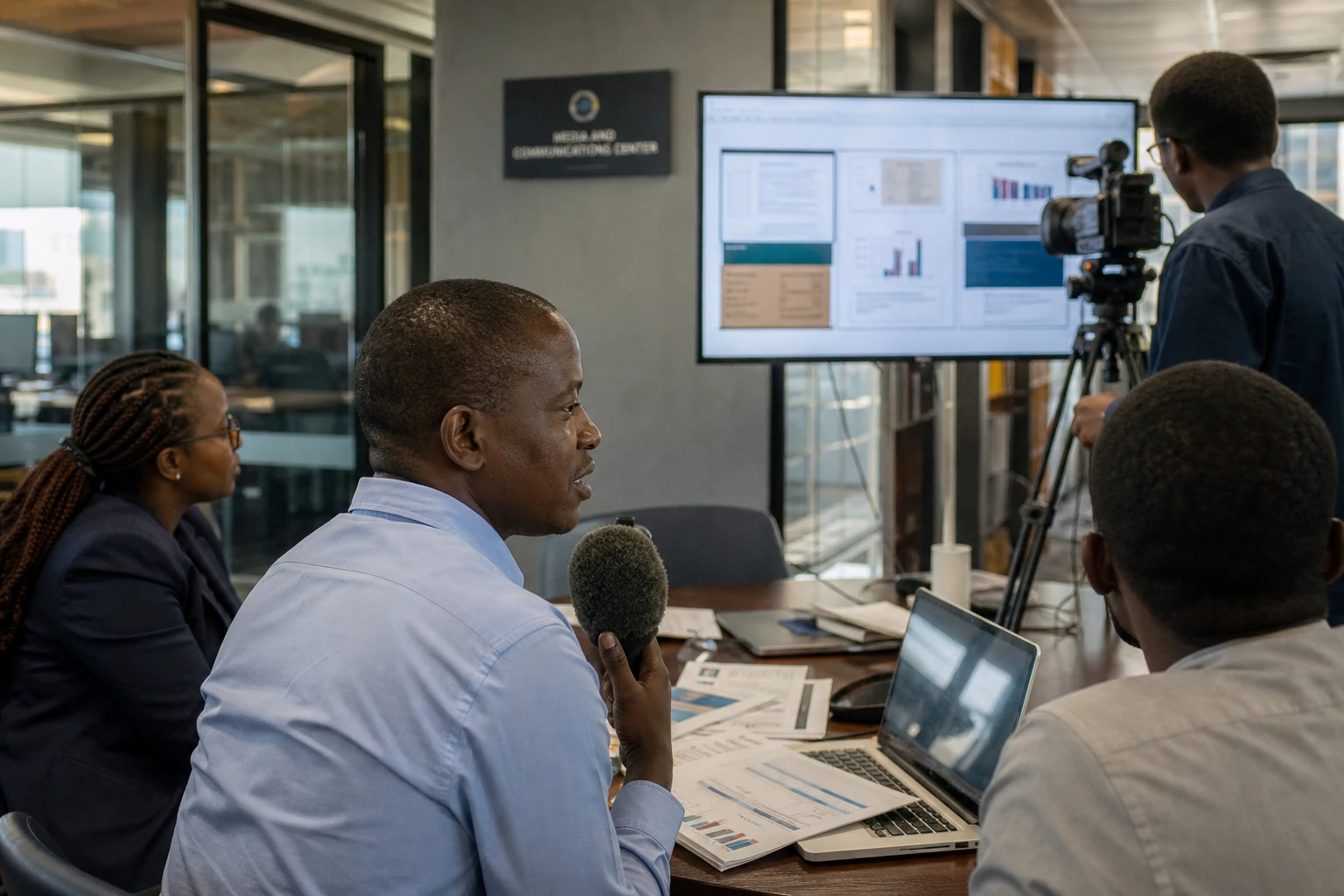
Mombasa seeks to turn its port advantage into factories, jobs and exports
In Mombasa, the question is no longer just how to move goods. It is how to keep them in the country for longer, add value to them and create jobs in the process. This is the aim of the new industrial project announced in Jomvu, in the coastal county, as Kenya pushes ahead with its industrialisation and pro-investment reform strategy.
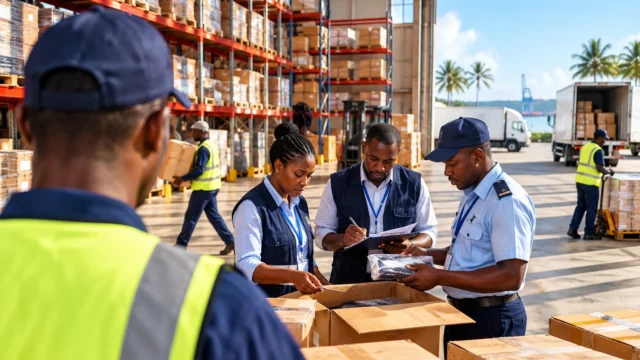
The chosen site is in an area that is already among the country’s most strategic. Mombasa is home to Kenya’s main maritime gateway, is linked to the capital, Nairobi, by road and standard-gauge railway, and serves as a commercial entry point to East Africa and beyond. The Special Economic Zones Authority notes that the Mombasa Industrial Park project forms part of an industrial ecosystem designed to take advantage of this unique logistical position.
A development agreement within a framework already set out in Kenyan law
The project is based on an agreement signed by the Mombasa County Government, Mombasa Free Zone Ltd and DP World. The announced investment is 12 billion Kenyan shillings, or about $92.7 million. Several sources describe a 222-hectare industrial and logistics park, equivalent to about 569 acres, in Jomvu, less than 20 kilometres from the port of Mombasa. The first phase is expected to create more than 10,000 jobs, while the entire project is presented as capable of supporting many more in the longer term.
President William Ruto attended the signing at State House in Nairobi. He described the project as a step towards a Kenyan economy less dependent on raw-material exports. The official message is in line with a longstanding government policy: attracting investment, reducing administrative hurdles and promoting manufactured exports. The Invest Kenya portal also notes that special economic zones benefit from tax relief, exemptions from certain duties and streamlined procedures for businesses.
Kenya already has a clear legal framework in place. The Special Economic Zones Act defines these areas as zones designated for that purpose, with specific regulatory and customs regimes. The SEZA website also says investors can receive administrative support and a dedicated licence, making the regulatory framework a central part of Kenya’s offer to attract industrial capital.
What the project means for coastal Kenya
For Mombasa, the stakes go beyond the investment map. An industrial park well connected to the port can attract processing, assembly, packaging and logistics services. That means more direct jobs, as well as knock-on benefits for local SMEs, transport companies, energy suppliers, technical services and subcontractors. SEZA’s messaging emphasises this value-chain approach, linking producers, manufacturers and regional markets.
But the project’s real value will depend on several practical details. First, access to electricity, water, internal roads and customs services. Then, the quality of coordination between the central government, Mombasa County and the private operator. Finally, the ability to avoid a mere announcement effect. Special economic zones succeed when they lower production costs, shorten the time needed to set up and give businesses enough certainty to invest for the long term.
The county’s role therefore matters as much as the investor’s. In Mombasa, local authorities are contributing the land and facilitating dialogue with communities. The private partner, in turn, brings industrial expertise and financing capacity. In this arrangement, residents of the neighbourhood and informal workers will be watching three things: whether jobs are genuinely accessible, whether land compensation is provided if applicable, and how road and port traffic will be managed around the site. This kind of project can ease congestion in some areas, but it can also shift urban pressures elsewhere if infrastructure fails to keep pace.
A regional bet at the crossroads of the EAC, COMESA and AfCFTA
The project’s appeal is also clear at the regional level. Kenya is a member of the East African Community, whose customs union facilitates the movement of goods between member states, and of COMESA, another major regional market. In practice, production based in Mombasa can more easily target Uganda, Rwanda, South Sudan, the DRC and other markets linked to the corridors of East and southern Africa.
This is also where the continental ambition comes into view. The Kenyan authorities want to make Mombasa an anchor for African value chains, not merely a transit point for imports. This approach is in keeping with the spirit of the African Continental Free Trade Area, which aims to expand market opportunities for African businesses across the continent. At the same time, it puts Kenya in direct competition with other port and industrial hubs in East Africa, notably Dar es Salaam, Djibouti and some emerging centres on the Indian Ocean coast.
The key caveat is clear: this kind of zone is only useful if it offers more than an address for investors. If factories move in, Kenyan subcontractors upgrade their capabilities and locally manufactured exports grow, Mombasa can strengthen Kenya’s role as an industrial base for East Africa. If the project remains confined to publicity, it will add another promise to a landscape already rich in announcements. The coming months will show whether financing, permits, infrastructure and local governance advance at the same pace.