Algeria
 Egypt
 Libya
 Morocco
 Sudan
 Tunisia
 Benin
 Burkina Faso
 Cabo Verde
 Côte d'Ivoire
 Ghana
 Guinea
 Guinea-Bissau
 Liberia
 Mali
 Mauritania
 Niger
 Nigeria
 Senegal
 Sierra Leone
 The Gambia
 Togo
 Cameroon
 Central African Republic
 Chad
 DR Congo
 Equatorial Guinea
 Gabon
 Republic of the Congo
 São Tomé and Príncipe
 Burundi
 Comoros
 Djibouti
 Eritrea
 Ethiopia
 Madagascar
 Malawi
 Mauritius
 Mozambique
 Rwanda
 Seychelles
 Somalia
 South Sudan
 Tanzania
 Uganda
 Angola
 Botswana
 Eswatini
 Lesotho
 Namibia
 South Africa
 Zambia
 Zimbabwe
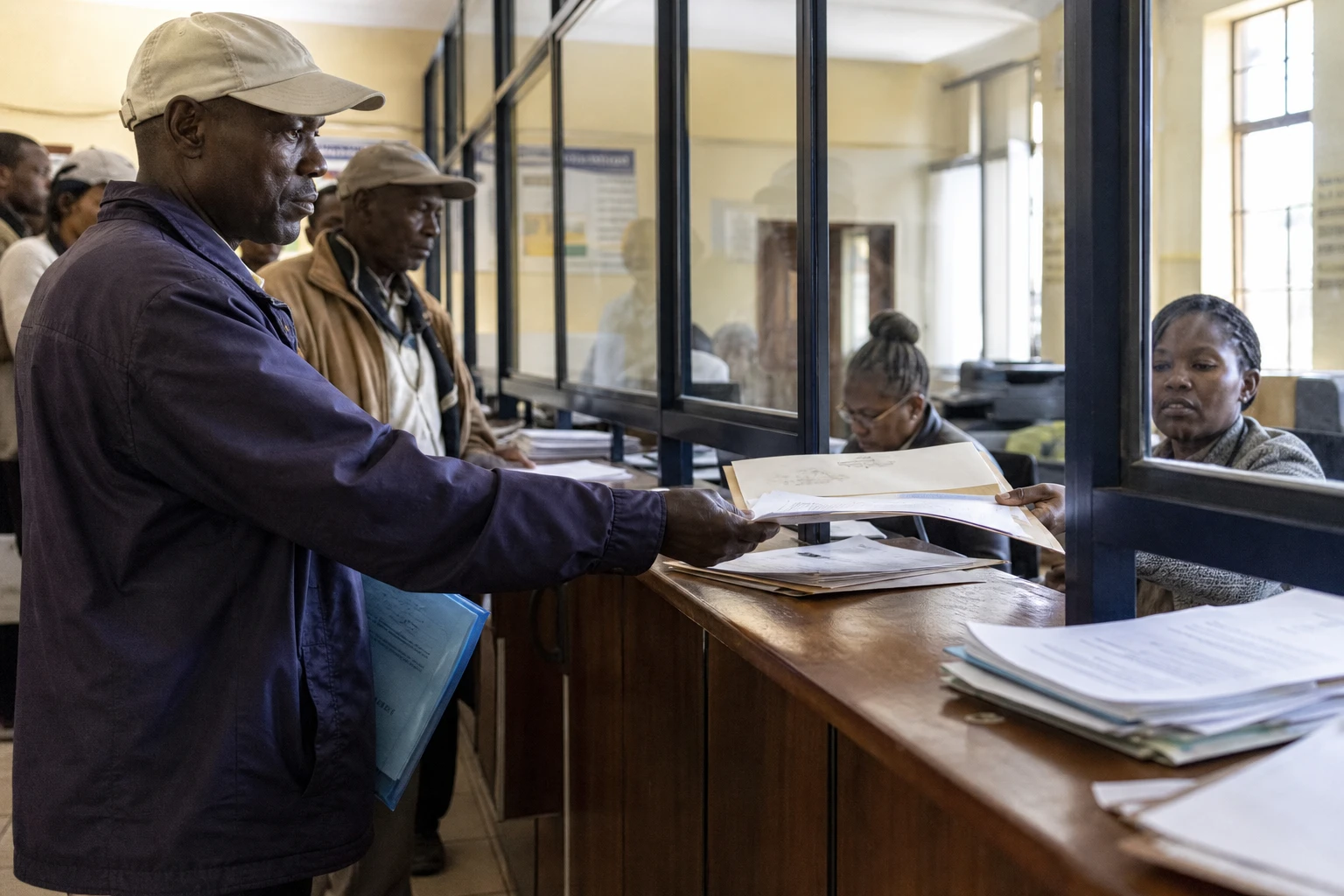
When input costs rise, the next harvest is often at stake before planting even begins
In Kenya, agricultural policy is not limited to supporting producers. It also aims to prevent a climate shock from turning into a food crisis. In a country where maize remains a staple for millions of households, the price of seed, fertiliser and transport directly affects family budgets, smallholders’ margins and market stability in Nairobi and rural areas alike.
This latest government intervention comes amid broader climate vulnerability. Droughts and floods have already caused major economic losses in the country, and in recent months the Kenyan authorities have stepped up measures to reduce risks and adapt. The issue is therefore not only agricultural. It concerns economic resilience, food security and the state’s ability to protect its productive base.
Public spending to restart planting after drought
The Kenyan government has announced a subsidy covering about 40 million kilograms of certified maize seed, at an estimated cost of 6 billion Kenyan shillings, or about $46.3 million. The scheme is to cover half the price of the seed. In practical terms, the price per kilogram would fall from 300 to 150 Kenyan shillings. A 2 kg pack would therefore cost 300 shillings, down from 600, and a 10 kg bag 1,500 shillings instead of 3,000.
The announcement was made in Nairobi on 24 August 2026 by Agriculture and Livestock Development Minister Mutahi Kagwe, following a broader signal from the executive on agricultural inputs. The government has also cut the price of subsidised fertiliser, now set at 2,000 Kenyan shillings for a 50 kg bag, down from 2,500. The stated aim is clear: lower production costs, enable crops to be planted again quickly and safeguard domestic maize supplies.
The measure extends a policy pursued for several years. Nairobi has established a large-scale fertiliser subsidy programme, described as a central lever of its agricultural policy. According to the authorities, more than 33 million 50 kg bags have been distributed since 2022 to nearly 2 million farmers, at a cumulative cost of about 78.8 billion Kenyan shillings. At the same time, the government highlights its investments in irrigation, water harvesting and climate-adapted farming techniques.
Maize at the intersection of climate, incomes and consumer prices
The stakes extend far beyond the fields. Agriculture remains one of the pillars of Kenya’s economy. Available estimates point to a contribution of about one-third of GDP and more than 40% of total employment, with an even greater role in rural areas. The sector is also highly exposed to climate shocks, particularly in the arid and semi-arid areas of the east and north, where drought hits rain-fed crops hardest.
The economic risk is real. The UNDRR estimates that losses from climate-related disasters in Kenya reached $1.4 billion in 2024. It also notes that the country remains exposed to recurring droughts and floods, with significant human and budgetary costs. In this context, subsidising seed is more than a social gesture. It is an attempt to protect the next production cycle before climate hazards compromise it.
National statistics point in the same direction. The Kenya National Bureau of Statistics reported strong pressure on food and energy prices in June 2026, although some food prices edged down in July. Maize flour prices did fall month on month, but the market remains sensitive. By lowering seed prices, and then fertiliser costs, the state is seeking to reduce the cost of producing a bag of maize and thus cushion pressure on the flour consumed every day.
What Nairobi is seeking to prevent, and what East Africa is watching closely
For smallholders, the expected effect is immediate: reducing the cost of getting into the planting season. For traders and millers, the promise is different: securing local supplies, limiting dependence on imports and reducing price swings. For the state, the stakes are as much fiscal as political. Subsidising inputs is expensive, but allowing maize prices to rise often costs more in inflation, discontent and weakened food security.
The regional dimension also matters. Kenya is one of the driving forces of the East African Community, and its agriculture affects trade balances across the sub-region. If maize production recovers, pressure on neighbouring markets could ease. If it remains under strain, imports and regional prices could rise again. In a region marked by droughts, floods and volatile harvests, Kenya’s strategy is therefore a test: how far can a state cushion the impact of climate through public policy without creating lasting dependence on subsidies?
The next point to watch is implementation. The actual availability of certified seed, the distribution of fertiliser at 2,000 shillings a bag, and the impact on planting for the next season will all need to be monitored. In Nairobi, the promise is budgetary. In farming counties, it will be judged by a single measure: whether families can plant on time and at an affordable cost.