Algeria
 Egypt
 Libya
 Morocco
 Sudan
 Tunisia
 Benin
 Burkina Faso
 Cabo Verde
 Côte d'Ivoire
 Ghana
 Guinea
 Guinea-Bissau
 Liberia
 Mali
 Mauritania
 Niger
 Nigeria
 Senegal
 Sierra Leone
 The Gambia
 Togo
 Cameroon
 Central African Republic
 Chad
 DR Congo
 Equatorial Guinea
 Gabon
 Republic of the Congo
 São Tomé and Príncipe
 Burundi
 Comoros
 Djibouti
 Eritrea
 Ethiopia
 Madagascar
 Malawi
 Mauritius
 Mozambique
 Rwanda
 Seychelles
 Somalia
 South Sudan
 Tanzania
 Uganda
 Angola
 Botswana
 Eswatini
 Lesotho
 Namibia
 South Africa
 Zambia
 Zimbabwe
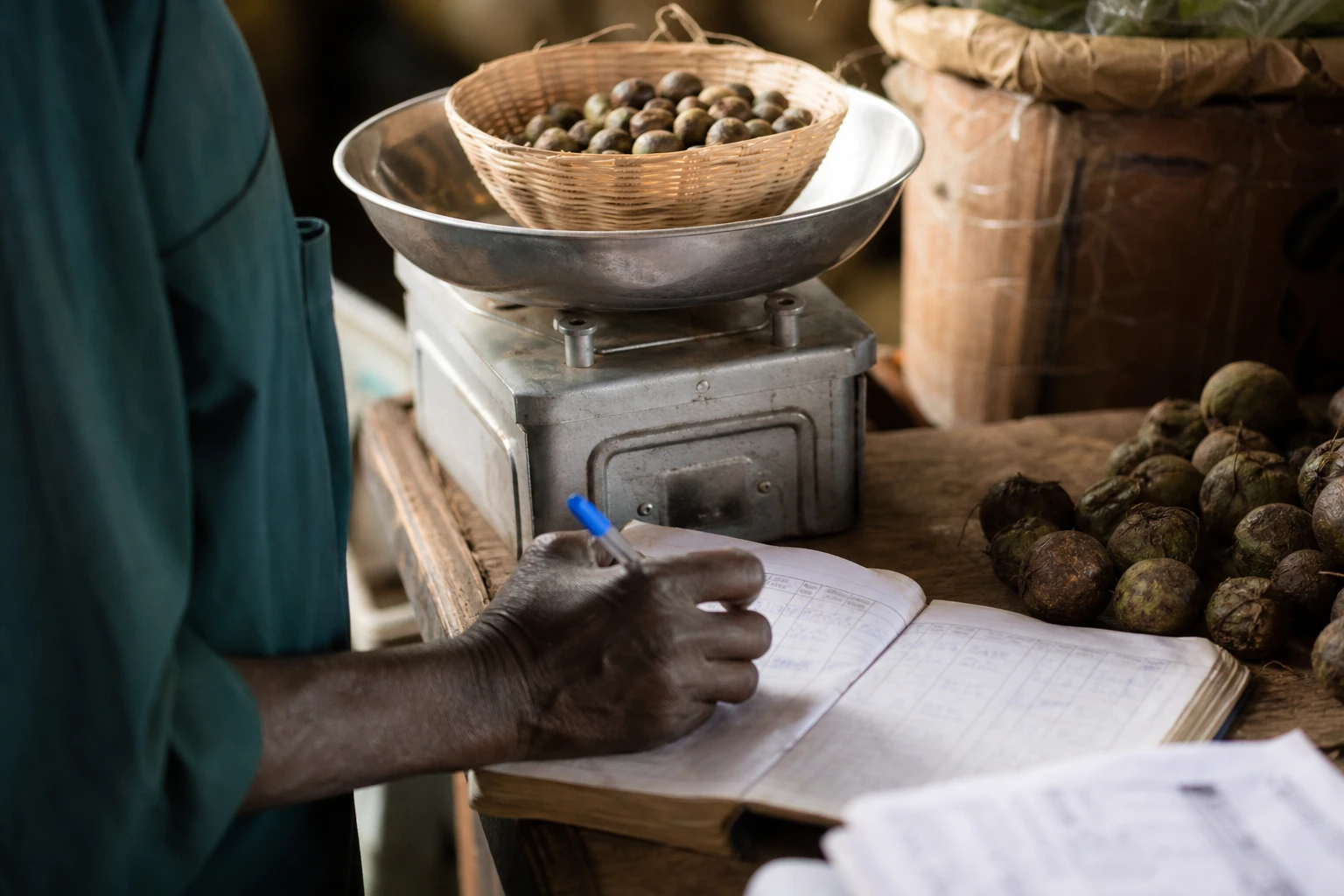
In Nairobi, nature conservation is at the heart of a debate that goes beyond protecting forests and species. Representatives of Indigenous peoples want to have a direct say in decisions that turn their territories into parks, reserves or carbon projects.
From 21 to 25 September 2026, around 60 representatives from Africa, Asia and the Americas met in the Kenyan capital for the “Our Land, Our Nature” congress. Their shared message is clear: protecting biodiversity cannot mean excluding the people who have lived in and cared for these areas for generations.
In Nairobi, a challenge to conservation without consent
Participants denounced the same approach in several regions of the world. Customary lands are designated as protected areas without adequate consultation. Access to forests, water, subsistence hunting and medicinal plants then becomes more difficult.
Elias Kimaiyo, from the Embobut Forest in western Kenya, voiced this concern to participants. Those gathered in Nairobi are challenging, in particular, the creation of national parks, wildlife sanctuaries and reserves on territories whose rights remain unrecognised.
The issue has taken on a new dimension with the growth of carbon markets. These schemes make it possible to sell credits corresponding to emissions reductions or removals. Their workings remain complex. On the ground, however, communities fear that the financial value assigned to carbon will increase pressure on their lands.
In Kenya, the issue forms part of an already sensitive national debate. The country is seeking to attract climate finance while strengthening safeguards for communities. In 2026, the Kenyan authorities clarified the rules governing international carbon-credit trading and set a national cap on these transactions. Kenya’s new rules on carbon markets show the sector’s growing importance in the country’s environmental policy.
The Sengwer and the Embobut Forest
Embobut Forest is associated with the claims of the Sengwer, an Indigenous people of western Kenya. For several years, debate has centred on their presence in the forest, reported evictions and recognition of their customary rights.
The disagreement is not only about protecting trees. It also concerns the very definition of ownership. For the administration, a gazetted forest is public land and must be protected under national rules. For communities, the territory is a place of life, memory, cultural practices and subsistence.
This tension can intensify when the forest acquires additional value through tourism, climate finance or carbon-offset projects. Expected revenues attract new players. Yet residents who bear the restrictions do not always have an equivalent voice in negotiations.
Kenya is not alone in this. In several East African countries, Indigenous peoples are calling for meaningful participation in the management of protected areas. They do not necessarily reject conservation. Above all, they challenge models that exclude them from decision-making and treat them as a threat to areas they have helped preserve.
The Baka and access restrictions in Cameroon
Discussions in Nairobi also highlighted the situation of the Baka in south-eastern Cameroon. In this forest region, several national parks and other protected areas have been established over the decades. These designations have changed the rules governing access to resources.
Research on Lobéké National Park describes agreements intended to restore Baka communities’ access to certain biological and cultural resources. It also highlights implementation difficulties, particularly when communities lack sufficient information or when the arrangements are not binding enough. The analysis of Baka access to Lobéké National Park stresses that local participation must be concrete, documented and verifiable.
Academic research has also described the effects of “fortress conservation”. This approach relies on strict boundaries, increased surveillance and restrictions on human activities. In south-eastern Cameroon, it has sometimes reduced Baka access to the forest, even though their livelihoods rely heavily on knowledge of forest cycles and available resources. The study of the Baka and protected areas in Cameroon documents this paradox between nature protection and restrictions on rights.
Indigenous rights groups also report evictions, violence and expropriations. These allegations must be examined on a case-by-case basis. They cannot, however, be dismissed out of hand, as several independent reports have identified persistent rights violations around protected areas in Cameroon. Assessments of access agreements in Cameroon stress the need to address these imbalances.
“Decolonising” conservation: a political demand
In Nairobi, participants used the term “decolonisation of conservation”. This does not mean abandoning parks, reserves or species protection. The demand is instead about governance, consent and benefit-sharing.
In many African countries, the first conservation policies were designed during the colonial period. They often separated nature from human societies. After independence, several states retained some of these frameworks, sometimes linking them to international biodiversity protection or funding programmes.
The result can be paradoxical. A community is removed from a forest in the name of protecting it. At the same time, mining, logging or oil extraction advances nearby. Mass tourism may also take hold in a protected area, without residents having a say in the revenue generated.
Indigenous representatives are therefore advocating a different approach. It is based on recognition of land rights, participatory mapping, free, prior and informed consent, and community management. This principle means that a project must not be imposed before the communities concerned have received full information and are able to accept or reject the proposal.
An issue for East Africa and the continent
The debate directly concerns the East African Community, which includes Kenya, Uganda, Tanzania, Rwanda, Burundi, the Democratic Republic of the Congo, South Sudan and Somalia. The region shares ecosystems, pastoral corridors and forest basins that cross national borders.
Decisions made in one country can therefore affect its neighbours. A protected area can alter pastoral movements. A carbon project can influence the use of a cross-border forest. An eviction can also shift tensions to another rural area.
The declaration adopted in Nairobi puts Indigenous peoples at the centre of this discussion. Its impact will now depend on how it is reflected in laws, management plans and environmental contracts. The next indicators will be tangible: recognition of customary rights, effective access to territories, revenue transparency and independent grievance mechanisms.
For Kenya, as for other African countries, the challenge is to protect nature without reproducing the exclusions of the past. Conservation will only be sustainable if it protects both ecosystems and the rights of those who know, inhabit and pass them on.