Algeria
 Egypt
 Libya
 Morocco
 Sudan
 Tunisia
 Benin
 Burkina Faso
 Cabo Verde
 Côte d'Ivoire
 Ghana
 Guinea
 Guinea-Bissau
 Liberia
 Mali
 Mauritania
 Niger
 Nigeria
 Senegal
 Sierra Leone
 The Gambia
 Togo
 Cameroon
 Central African Republic
 Chad
 DR Congo
 Equatorial Guinea
 Gabon
 Republic of the Congo
 São Tomé and Príncipe
 Burundi
 Comoros
 Djibouti
 Eritrea
 Ethiopia
 Madagascar
 Malawi
 Mauritius
 Mozambique
 Rwanda
 Seychelles
 Somalia
 South Sudan
 Tanzania
 Uganda
 Angola
 Botswana
 Eswatini
 Lesotho
 Namibia
 South Africa
 Zambia
 Zimbabwe
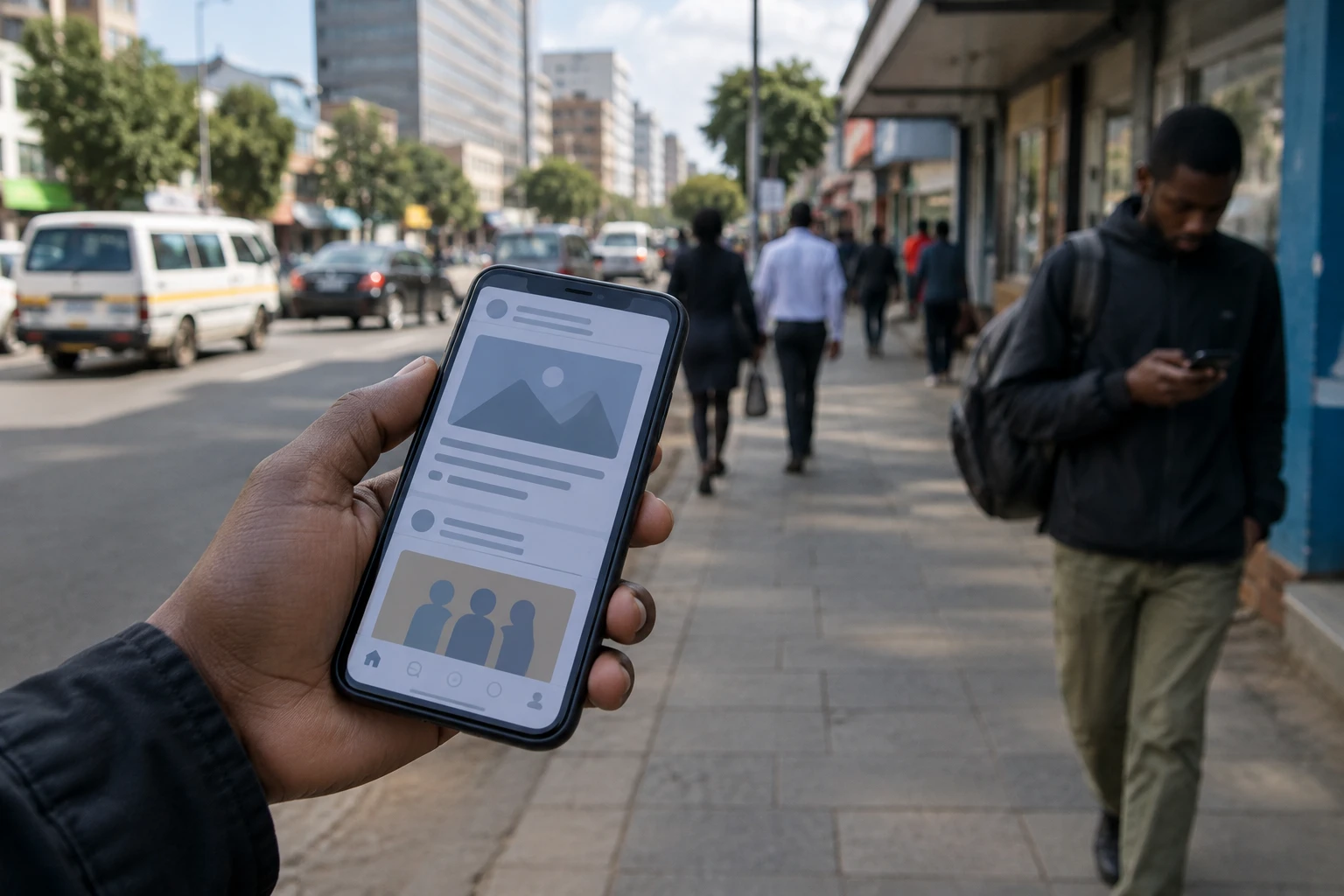
In Nairobi, Ebola preparedness is not confined to isolation units. It also depends on contact tracing, protecting healthcare workers and caring for people who have died. With Kenya having confirmed nine cases, Kenyan Red Cross teams are training in safe and dignified burial procedures.
An outbreak closely monitored in Kenya
Kenya’s Ministry of Health announced the death on 23 October of a 65-year-old woman with Ebola virus disease. She was related to the first patient to die in the country. According to information released by the authorities, her symptoms appeared on 13 October, while she was in quarantine.
Kenya has nine confirmed cases and two deaths, according to national announcements reported by the public Kenya News Agency and the Kenyan press. Seven patients are being treated at two isolation centres. The recorded infections belong to a single known chain of contacts. At this stage, the authorities and the World Health Organization (WHO) report no wider transmission in the population.
The disease is caused by the Bundibugyo virus, an Ebola strain distinct from the one targeted by vaccines used in some previous outbreaks. The WHO says there is no licensed vaccine or approved specific treatment for this strain. Care therefore relies in particular on early medical treatment and support for vital functions.
The first confirmed case in Kenya was a man who arrived in Nairobi after travelling from the Democratic Republic of the Congo (DRC) via Uganda. After his death, health teams sought out people who might have been exposed. The response relies on quarantining them, monitoring their symptoms daily and rapidly isolating any suspected case.
Protective measures, including at funerals
In Nairobi, the Kenyan Red Cross is holding simulations to keep its teams ready to respond. Dr Paul Olale, the organisation’s head of public health emergencies, said the exercises focus in particular on safe burials that respect the dignity of the deceased.
These protocols address a specific risk: contact with the body of someone who has died of Ebola can expose relatives and responders to the virus. The aim is to reduce this risk without disregarding families’ needs or treating funeral rites as an afterthought. Procedures that are understood and carried out respectfully can also foster cooperation between communities and health teams.
Vigilance is not just for specialists. Healthcare workers must recognise symptoms quickly and apply infection-prevention measures. People identified as contacts must be monitored, informed and supported during their surveillance period. For the authorities, the challenge is to protect the population without fuelling fear or stigmatising the families concerned.
The outbreak remains linked to Nairobi and identified contacts. That does not mean the risk is zero elsewhere: domestic travel and air links make surveillance necessary in other regions. But the available data do not warrant portraying the whole country as uniformly affected.
A regional alert extending beyond East Africa
The reported case in Nigeria has widened the geographical reach of the outbreak. On 20 October, Nigerian authorities confirmed an infection in a woman who had travelled from Uganda. She was treated in Abuja, the federal capital. The authorities began tracing her contacts and continued their investigations to determine where the exposure occurred. They reported no spread in the population at the time.
This detection in West Africa complicates the response, as it requires investigations to be coordinated beyond the countries already affected in Central and East Africa. On 23 October, the WHO reported 9,704 confirmed cases and 4,687 deaths in the DRC, as of 20 October. These figures relate to the DRC and should not be confused with the much smaller toll in Kenya.
For Kenya, a member of the East African Community (EAC), regional coordination is essential. The organisation brings together several neighbouring countries and works to harmonise surveillance at borders, airports and land crossings. In June, EAC health ministers had agreed to strengthen these measures and establish regional technical coordination on Ebola and other high-risk diseases.
Response capacity is vital for communities
In the short term, the main indicator to watch in Kenya is whether any cases emerge among people not already known to be contacts. Monitoring people in quarantine can help detect an infection earlier and limit transmission. But its effectiveness also depends on practical resources: trained teams, available equipment, laboratories able to confirm samples and prompt access to care.
The consequences of an alert are not shared equally. People placed in quarantine and their relatives bear the direct burden of monitoring. Healthcare workers and funeral teams face particular occupational risks. Travellers and businesses linked to travel may face tighter checks, even though the WHO advises against general travel or trade restrictions with the countries concerned.
The response must therefore balance public health security with public trust. Clear information about the locations concerned, the contacts being monitored and the measures that are genuinely necessary helps prevent rumours. It also makes it possible to distinguish a contained chain of transmission from community spread, which has not been established in Kenya at this stage.
The coming days will show whether contact tracing and isolation can prevent further infections. For East and West Africa alike, the episode is a reminder that diseases can follow regional travel routes. Local preparedness — from treatment centres to field teams and families — therefore remains as important as coordination between states.
Sources consulted: the WHO situation update on Ebola in the DRC, Kenya and Nigeria, the public Kenya News Agency on the toll in Kenya, the Kenyan daily newspaper Daily Nation, the report on Kenyan Red Cross exercises and the regional measures announced by the East African Community.