Algeria
 Egypt
 Libya
 Morocco
 Sudan
 Tunisia
 Benin
 Burkina Faso
 Cabo Verde
 Côte d'Ivoire
 Ghana
 Guinea
 Guinea-Bissau
 Liberia
 Mali
 Mauritania
 Niger
 Nigeria
 Senegal
 Sierra Leone
 The Gambia
 Togo
 Cameroon
 Central African Republic
 Chad
 DR Congo
 Equatorial Guinea
 Gabon
 Republic of the Congo
 São Tomé and Príncipe
 Burundi
 Comoros
 Djibouti
 Eritrea
 Ethiopia
 Madagascar
 Malawi
 Mauritius
 Mozambique
 Rwanda
 Seychelles
 Somalia
 South Sudan
 Tanzania
 Uganda
 Angola
 Botswana
 Eswatini
 Lesotho
 Namibia
 South Africa
 Zambia
 Zimbabwe
In Nairobi, the second death linked to the Ebola virus is a reminder that an outbreak can cross borders before authorities have finished understanding its chains of transmission. But the available figures also make it necessary to distinguish early tallies, quickly overtaken by events, from the more recent situation.
Kenya’s toll changed within days
Kenya’s Ministry of Health announced on Friday 23 October that a 65-year-old woman, related to the first patient, had died. She had developed symptoms while in quarantine. The announcement brought the death toll in the country to two, after the death of the initial case, a Kenyan man who had returned from the Democratic Republic of the Congo (DRC).
The toll had already moved beyond that of a country with only three cases. On 20 October, the World Health Organization (WHO) recorded nine confirmed infections in Kenya, including one death as of that date. An Associated Press dispatch published after the woman’s death was announced reported nine cases and two deaths. All eight secondary cases had been identified among the first patient’s contacts.
This difference reflects the pace of updates, not a contradiction over the initial number of cases. The article published on 27 October, which describes the victim as the third confirmed case, therefore does not reflect the toll then reported by the health authorities and the WHO. It should also be noted that the first two deaths involved the initial case and the 65-year-old woman.
The initial patient arrived in Nairobi on 3 October, travelling from the DRC via Uganda. He died on 5 October, the day samples confirmed the infection. According to the WHO, the eight other cases recorded in Kenya were linked to the same outbreak, with no evidence at the time of wider transmission in the community.
A particular strain, a detection challenge
This is Bundibugyo virus disease, one of the diseases caused by Ebola viruses. Early symptoms — fever, fatigue, aches or a sore throat — can resemble those of other illnesses. Diagnosis therefore relies on laboratory tests, while the rapid identification of exposed people remains essential.
Transmission occurs through direct contact with the blood or other bodily fluids of an infected person, or with contaminated objects. An infected person is not contagious before symptoms appear. The incubation period can last up to 21 days, which explains the prolonged monitoring of contacts and their quarantine when authorities deem it necessary.
For this strain, the WHO said that no approved vaccine or specific treatment was available. Supportive care, isolation, infection prevention in healthcare facilities and safe burials are therefore central to the response. This makes protecting healthcare workers and ensuring prompt access to care particularly important.
A regional challenge requiring coordinated responses
Kenya is a travel hub in East Africa. The arrival of the initial case from the DRC via Uganda, followed by confirmation of an imported case in Nigeria, shows why monitoring cannot stop at national borders. The WHO reported the Nigerian case on 20 October, involving a person who had arrived from Uganda, while investigations into the precise source of their exposure were still under way.
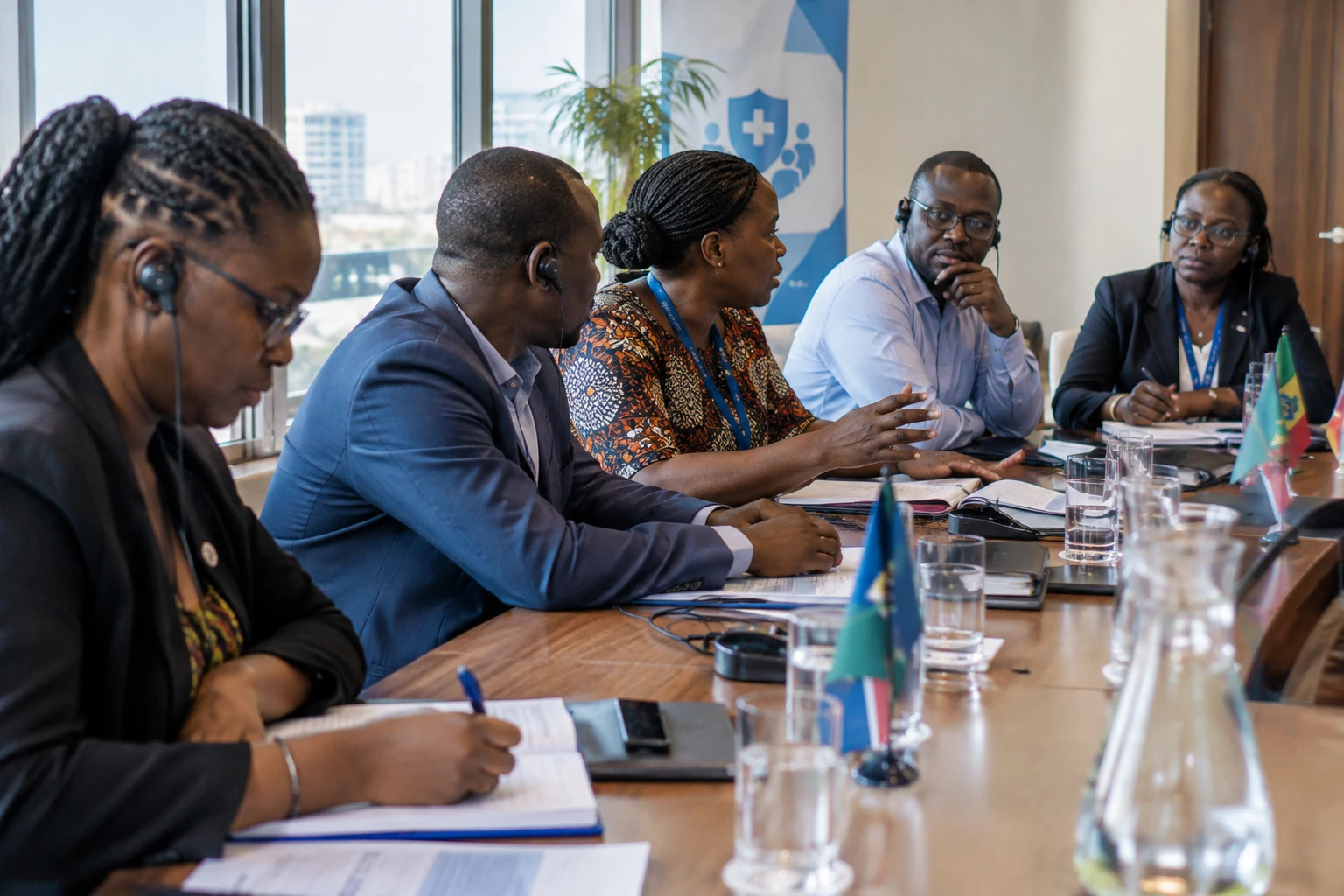
This movement is testing the region’s public health mechanisms, including surveillance at points of entry, laboratory capacity and the rapid exchange of information between countries. The Intergovernmental Authority on Development (IGAD), a regional organisation in East Africa, discussed preparedness, contact tracing and health security at the borders with Kenya’s Ministry of Health. This cooperation complements the responsibilities of national authorities: testing, isolating and treating cases within their territories.
The consequences are not limited to hospitals. People placed in quarantine may face disruption to family and working life. Healthcare workers are exposed through their work if protective equipment and protocols are lacking. In terms of trade, unsupported travel restrictions can also penalise travellers, carriers and economic activity. The WHO advised against general restrictions on travel or trade, favouring surveillance and targeted measures.
Beyond Kenya, the scale of the epidemic in the DRC
The outbreak in Kenya is part of a much larger epidemic in the DRC, where transmission remained sustained. As of 20 October, the WHO reported 9,704 confirmed cases and 4,687 deaths in eight Congolese provinces. These figures are attributed to the WHO and correspond to its tally on that date; they should not be confused with data for Kenya alone.
The response therefore requires a balance: protecting exposed people, maintaining routine healthcare and preventing fear from turning into stigma against patients or travellers. For Kenya, the next key indicators are the trend in cases linked to the initial outbreak, the end of contact monitoring and any detection of transmission chains outside quarantine. For East Africa and the continent, the episode above all highlights that a cross-border health alert requires systems capable of sharing reliable data quickly, without confusing vigilance with indiscriminate closure.
Sources consulted: WHO epidemiological update and situation report, announcement of the second death in Kenya, Kenya News Agency information on the first cases, health cooperation between Kenya and IGAD, regional developments and confirmed case in Nigeria.