Algeria
 Egypt
 Libya
 Morocco
 Sudan
 Tunisia
 Benin
 Burkina Faso
 Cabo Verde
 Ghana
 Guinea
 Guinea-Bissau
 Liberia
 Mali
 Mauritania
 Niger
 Nigeria
 Senegal
 Sierra Leone
 The Gambia
 Togo
 Cameroon
 Central African Republic
 Chad
 DR Congo
 Equatorial Guinea
 Gabon
 Republic of the Congo
 São Tomé and Príncipe
 Burundi
 Comoros
 Djibouti
 Eritrea
 Ethiopia
 Kenya
 Madagascar
 Malawi
 Mauritius
 Mozambique
 Rwanda
 Seychelles
 Somalia
 South Sudan
 Tanzania
 Uganda
 Angola
 Botswana
 Eswatini
 Lesotho
 Namibia
 South Africa
 Zambia
 Zimbabwe
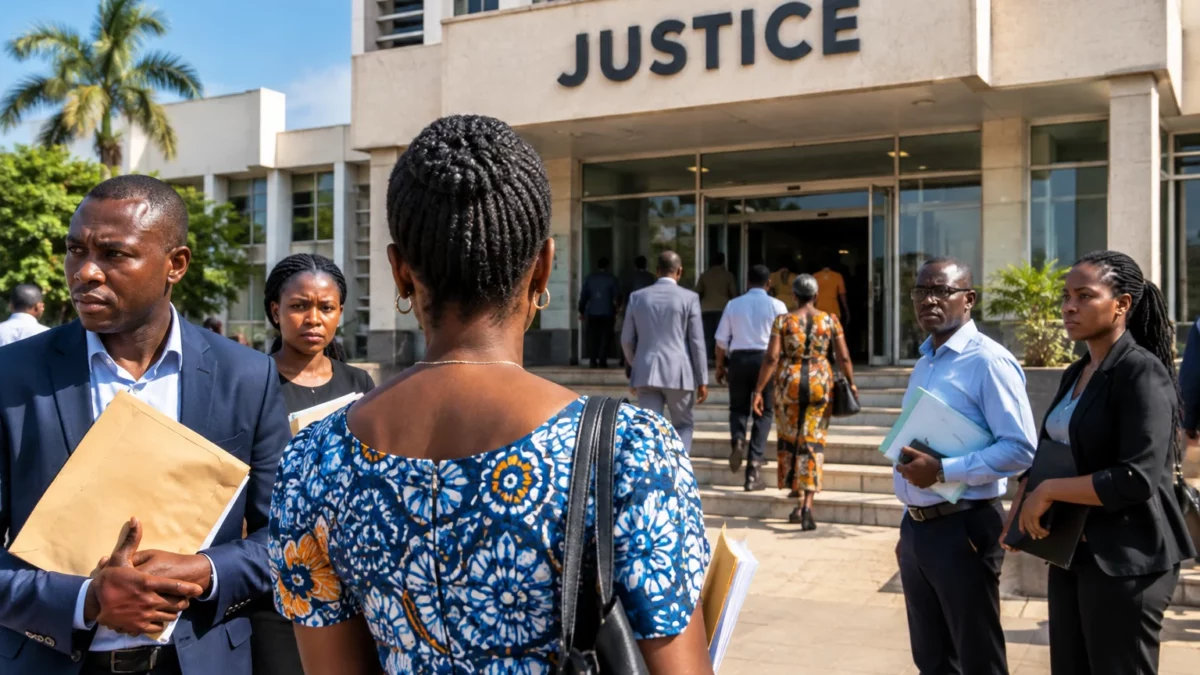
For the 234 people released after tensions surrounding Côte d’Ivoire’s 2025 presidential election, the decision ends their detention, but not necessarily all the legal questions. It also brings a sensitive issue back to the fore: how to maintain order without leaving people waiting a long time for their cases to be examined.
A tense presidential election and arrests in several cities
The 25 October 2025 vote took place amid political tension. The Constitutional Council had rejected the candidacies of Laurent Gbagbo and Tidjane Thiam. The PPA-CI and PDCI-RDA, united in the Common Front, contested the process and called for demonstrations.
Rallies held in October led to arrests in Abidjan and several towns inland. The National Human Rights Council (CNDH), the Ivorian institution responsible for promoting and protecting human rights, reported that more than 700 people had been arrested between 11 and 21 October, according to the authorities. Its preliminary report also recorded six deaths during that period.
The figures depend, however, on the period and events covered. Amnesty International, citing figures provided by the National Security Council, referred to 1,658 arrests since 11 October and 11 deaths, including one gendarme. These totals do not necessarily cover the same dates or events. They are attributed to the authorities and are not enough to establish responsibility in each case.
Before the vote, Amnesty had denounced the ban on opposition rallies and called for the right to demonstrate peacefully to be respected. The authorities, for their part, cited the need to preserve public order and security. These opposing positions shed light on the context, without prejudging the circumstances of any individual arrested.
What release means
On 25 November 2026, government spokesperson Amadou Coulibaly announced the release of 234 people detained in connection with the election-related events. He said the evidence gathered was insufficient to justify prosecution. Ivorian media also reported the announcement.
The word “release” does not automatically mean that each person has been definitively acquitted or that all proceedings have been closed. The information made public does not detail the legal status of each of the 234 cases. It is therefore necessary to distinguish the end of detention from the possible closure of a case.
The government presents the decision as the result of judicial work and maintains that pre-trial detention remains justified in cases where magistrates have sufficient evidence. The PPA-CI, for its part, disputes the authorities’ characterisation of detainees linked to the election period and has raised concerns about detentions and deaths in prison. Amadou Coulibaly expressed regret over the reported loss of life, while defending the judicial handling of the cases.
This disagreement cannot be resolved by the release figure alone. It calls for precise information on the reasons for arrest, access to lawyers, decisions in each individual case and the fate of those who remain in detention. At this stage, public statements provide no detailed timetable for proceedings that are still under way.
A tangible issue for families and the justice system
Prolonged detention before trial affects more than the person behind bars. It can deprive a household of income, interrupt schooling or undermine a small business. These consequences are particularly severe for families who depend on work paid by the day. Release from prison ends incarceration, but does not automatically make up for these losses.
For the justice system, the challenge is to examine the available evidence promptly while protecting the rights of those accused. Pre-trial detention is not a conviction: its duration should not turn it into a de facto punishment. Conversely, the authorities must be able to investigate alleged offences, provided decisions are based on evidence examined by magistrates.
The case extends beyond Abidjan, the economic capital, and Yamoussoukro, the political and administrative capital. The CNDH cited events in Dabou, Daloa, Gagnoa and Yamoussoukro, among other places. The arrests and their judicial aftermath therefore also affect families and communities far from the national centres of decision-making.
Political trust is also at stake after the vote
Côte d’Ivoire has experienced episodes of violence around previous elections, notably in 2010 and 2020. This history makes the handling of electoral disagreements all the more important. It does not allow the guilt of those arrested to be presumed, nor does it diminish the security concerns expressed by the authorities.
At regional level, ECOWAS — the Economic Community of West African States — monitors political transitions and electoral tensions in its member states. The credibility of an election is also measured by what follows: impartial handling of cases, respect for civil liberties and transparency in decision-making. For regional partners as well as Ivorians, stability means more than the absence of unrest on polling day.
The next step will be to determine the fate of cases that remain open and clarify the status of those released. The institutions’ ability to publish verifiable information and issue decisions within a reasonable timeframe will weigh on political trust. The release of the 234 people is an important development, but on its own it is not enough to settle the debate over arrests and detention conditions related to the presidential election.