Algeria
 Egypt
 Libya
 Morocco
 Tunisia
 Benin
 Burkina Faso
 Cabo Verde
 Côte d'Ivoire
 Ghana
 Guinea
 Guinea-Bissau
 Liberia
 Mali
 Mauritania
 Niger
 Nigeria
 Senegal
 Sierra Leone
 The Gambia
 Togo
 Cameroon
 Central African Republic
 Chad
 DR Congo
 Equatorial Guinea
 Gabon
 Republic of the Congo
 São Tomé and Príncipe
 Burundi
 Comoros
 Djibouti
 Eritrea
 Ethiopia
 Kenya
 Madagascar
 Malawi
 Mauritius
 Mozambique
 Rwanda
 Seychelles
 Somalia
 South Sudan
 Tanzania
 Uganda
 Angola
 Botswana
 Eswatini
 Lesotho
 Namibia
 South Africa
 Zambia
 Zimbabwe
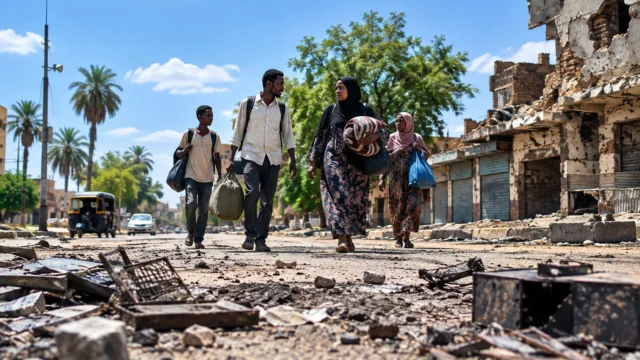
A year after the seizure of El-Fasher, returning home does not mean getting one’s life back. In this city in North Darfur, homes, markets and essential services have been destroyed or disrupted. Fear remains. The fate of displaced, detained and missing residents is still largely unknown.
A city at the heart of Sudan’s war
Since April 2023, the Sudanese army and the Rapid Support Forces (RSF), led by Mohamed Hamdan Dagalo, known as Hemedti, have been fighting for power and control of territory. El-Fasher was the last major urban centre in Darfur held by the army before its fall. The city is also a hub for displaced civilians and humanitarian aid in a region scarred by years of conflict.
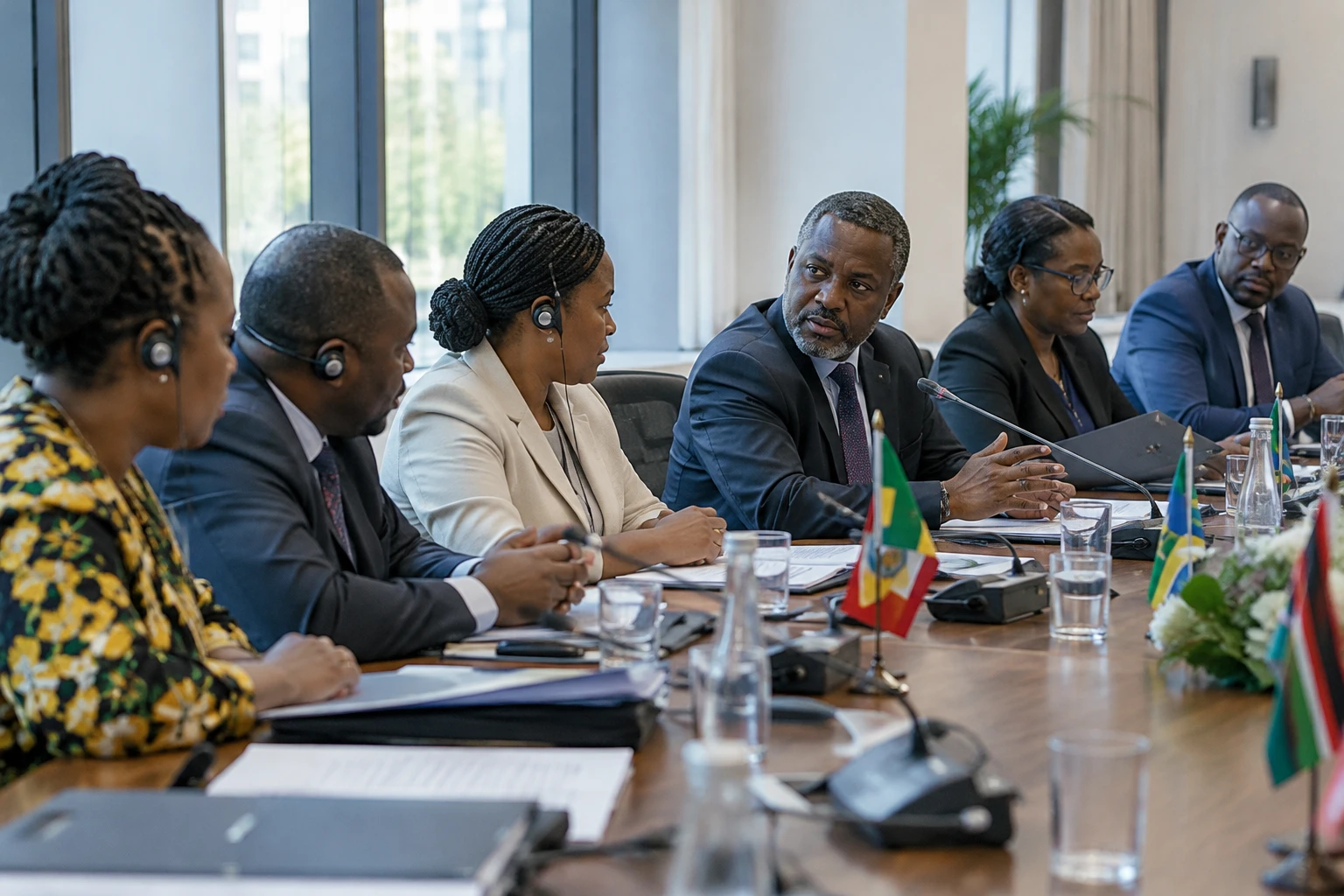
The crisis extends beyond Sudan’s borders. Darfur borders Chad, where thousands of people have sought refuge. To the east, the Intergovernmental Authority on Development (IGAD), an East African regional organisation involved in mediation efforts, remains weakened by Sudan’s suspension of its participation, announced in January 2024. The African Union and the United Nations are also struggling to secure independent access to the area.
Incomplete death toll, mass displacement
The RSF took El-Fasher on 26 October 2025, after about 18 months under siege. In the days and weeks that followed, reports were difficult to verify, particularly because of access restrictions and insecurity. It remains impossible to establish a comprehensive toll of the dead, missing and detained.
The UN High Commissioner for Human Rights documented more than 6,000 killings during the first three days of the offensive, drawing on interviews with more than 140 victims and witnesses. This figure covers a specific period and documented cases; the UN says the actual toll could be higher. An independent mission mandated by the Human Rights Council later concluded that the violence bore the “hallmarks of genocide” against non-Arab communities, particularly the Zaghawa and Fur. This is the conclusion of that mission, based on its investigation, and not a final criminal court ruling.
Data from the International Organization for Migration show the scale of the exodus. Between 26 October 2025 and 1st March 2026, its tracking mechanism estimated that 138,194 people had been displaced from El-Fasher and nearby villages. The total changes as people move and, on its own, does not show how many residents left the city, how many returned or how many remain unaccounted for.
A visit by Médecins Sans Frontières in January 2026 described a city that was largely destroyed and deserted. The organisation noted, however, that its team, accompanied by security officials, was unable to carry out a full independent assessment. This tallies with the findings of other humanitarian groups: some neighbourhoods are empty, while a few residents are returning to check on their homes or seek help.
Returning does not mean being able to rebuild
For families, returning brings immediate obstacles. Some homes have been looted or destroyed. Markets are operating on a reduced scale, goods are scarce and expensive, and the presence of fighters fuels fears of arrest or further violence. Schools, health facilities and supply networks cannot meet the needs of a large population.
Figures cited in testimony about the number of residents who have returned have not been confirmed by an independent census. They should therefore be treated with caution. Displaced residents have also accused authorities linked to the RSF of settling new arrivals in abandoned homes and presenting their presence as the return of the original population. These are serious allegations and could not be independently verified. They nevertheless point to a central question: who will be able to live in the city, reclaim their property and have their rights recognised?
Needs are just as urgent in areas hosting displaced people. Families have fled to Tawila and other parts of Darfur, where services and resources are under severe strain. Older people, children and women, who often make up the majority of those displaced, face particular difficulties accessing healthcare, water, food and protection from violence.
Detention and humanitarian access remain urgent concerns
Human rights organisations and Sudanese professional networks have reported the arrest of civilians, including journalists, doctors and civil society actors, suspected of supporting the army. Relatives of detainees have also described ransom demands and extremely harsh conditions of detention. Without independent access to the sites in question and verifiable registers, the total number of detainees and their situation remain uncertain.
These accounts are a reminder that military control of a city guarantees neither civilian safety nor the restoration of services. Humanitarian organisations need safe, regular and independent access to assess needs, distribute aid and verify conditions for return. Accompanied visits can provide some indications, but they are no substitute for a free investigation or continuous monitoring.
A responsibility that extends beyond Darfur
The fall of El-Fasher marked a turning point in the war, as fighting also spread to Kordofan. For neighbouring countries, particularly Chad, prolonged displacement is increasing protection needs and complicating the management of cross-border arrivals. For the African Union and IGAD, the challenge is to maintain political channels capable of supporting a ceasefire and humanitarian access, despite diplomatic divisions.
The next stage will not be measured solely by the number of people returning. It will depend on civilian safety, families’ ability to find their relatives and property, and investigators’ access to detention sites and affected areas. A lasting return also requires residents to be able to go home without coercion and take part in decisions about their city’s future. In El-Fasher, these conditions remain far from being met.