Algeria
 Egypt
 Libya
 Morocco
 Sudan
 Tunisia
 Benin
 Burkina Faso
 Cabo Verde
 Côte d'Ivoire
 Ghana
 Guinea
 Guinea-Bissau
 Liberia
 Mali
 Mauritania
 Niger
 Nigeria
 Sierra Leone
 The Gambia
 Togo
 Cameroon
 Central African Republic
 Chad
 DR Congo
 Equatorial Guinea
 Gabon
 Republic of the Congo
 São Tomé and Príncipe
 Burundi
 Comoros
 Djibouti
 Eritrea
 Ethiopia
 Kenya
 Madagascar
 Malawi
 Mauritius
 Mozambique
 Rwanda
 Seychelles
 Somalia
 South Sudan
 Tanzania
 Uganda
 Angola
 Botswana
 Eswatini
 Lesotho
 Namibia
 South Africa
 Zambia
 Zimbabwe
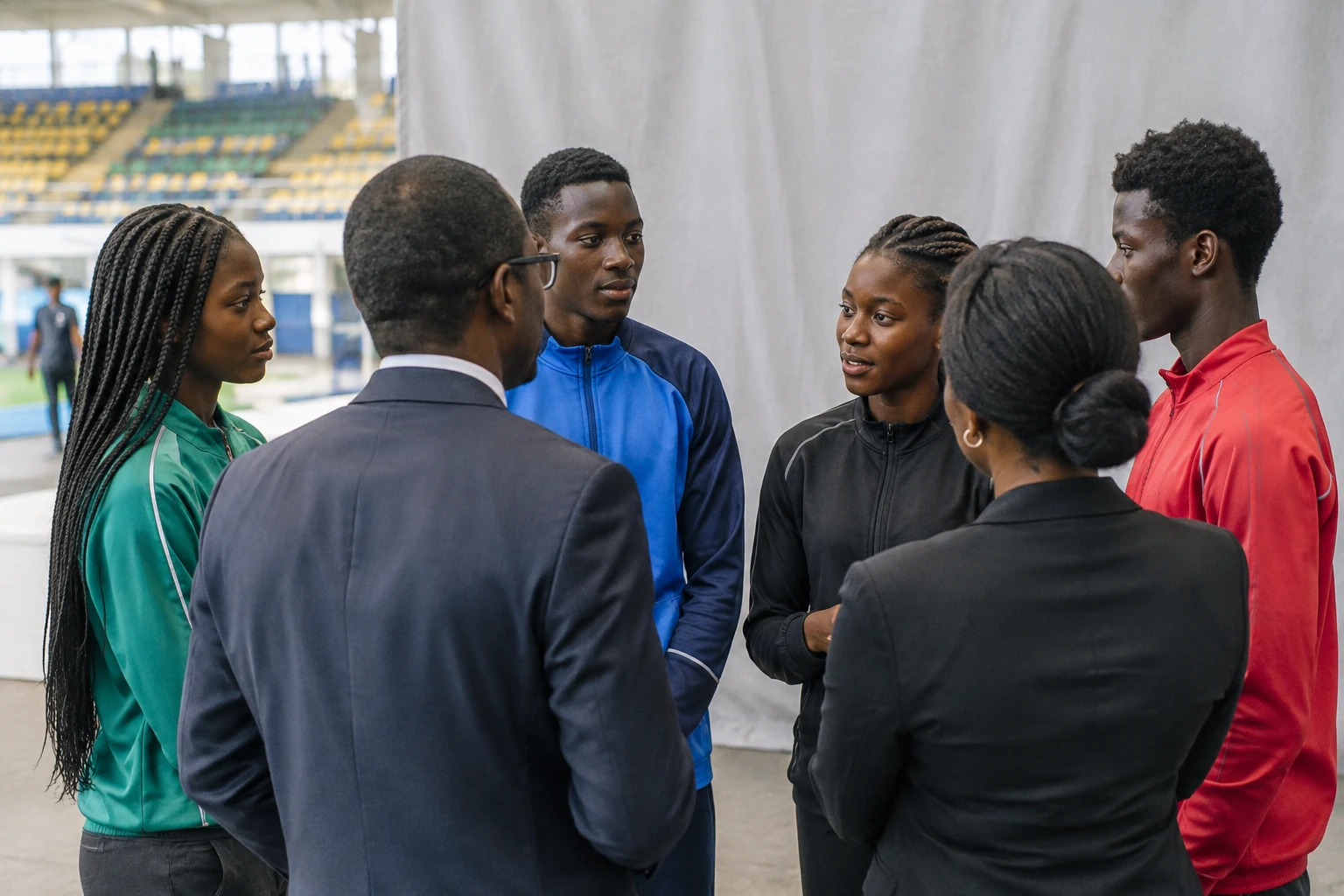
In Diamniadio, the Youth Olympic Games began with a celebration that reaches beyond the stadium: for the first time, an Olympic event is being held on the African continent. Senegal’s challenge now is to make this showcase live on beyond the ceremony, on the playing fields and in the cities hosting events.
A first for Africa, led by Senegal
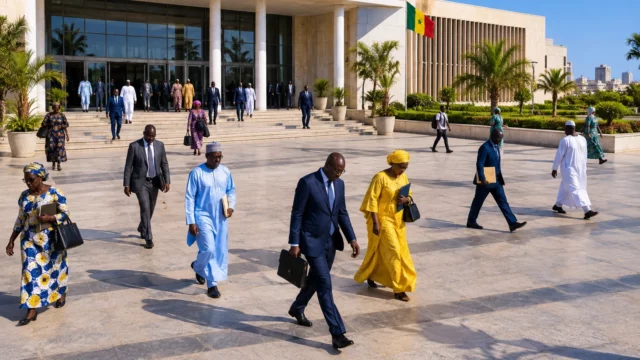
The official opening took place on Saturday 31 October at the Abdoulaye-Wade Stadium in Diamniadio, near Dakar. The ceremony blended spectacle with Senegalese cultural expressions. The Senegalese Press Agency reported, among other things, on the flame’s journey across the country, which ended in the stadium as the Games opened. The International Olympic Committee (IOC) also presented the evening as a celebration of «teranga», Senegalese hospitality.
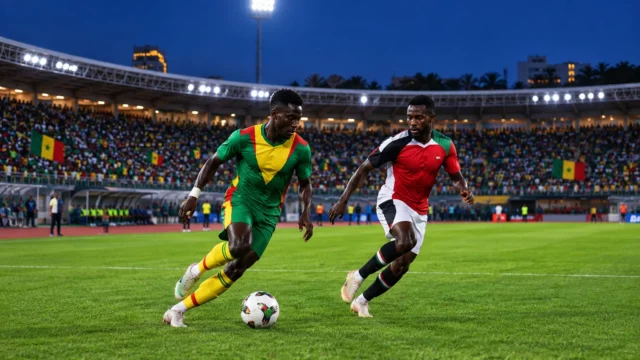
Competitions continue until 13 November 2026. They bring together young athletes across several disciplines, including swimming, 3×3 basketball and rugby sevens. Events are spread across Dakar, Diamniadio and Saly. This choice extends the event beyond the capital and puts transport, facilities and welcoming spectators at the heart of its organisation.
This edition was originally due to take place in 2022, before being postponed by four years because of the Covid-19 pandemic. The event in Senegal is therefore a first for the Olympic movement on the continent, rather than simply another sporting edition. The IOC describes Dakar 2026 as the first Youth Olympic Games to be held in Africa.
The regional context also matters. In West Africa, Senegal is hosting delegations from neighbouring countries and other parts of the world, while the Economic Community of West African States (ECOWAS) brings the countries of the region together through economic and political cooperation. The Games are not run by this organisation, but they provide a shared stage for West African and African sporting youth.
From spectacle to the first events
The ceremony marked the end of the public preparations and the transition to competition. The programme is not limited to the most high-profile disciplines. 3×3 basketball, played by smaller teams on a half-court, demands a fast pace and immediate decisions. Rugby sevens, with its short matches and open spaces, is also attracting young female players in several African countries.
The presence of these disciplines is a reminder that the Games are both a showcase for performance and a space for discovery. For athletes from Côte d’Ivoire, Kenya and Senegal, the events offer a chance to face international opponents in a high-level competitive setting. The results will unfold over the course of the contests and cannot be predicted in advance.
The youth format sets these Games apart from the Summer Olympic Games. They are aimed at adolescent athletes and combine competition with educational and cultural elements. This makes supervision particularly important: performance matters, but so do travel arrangements, the protection of minors and support for delegations.
For Senegalese people, the event is experienced differently depending on location and circumstances. In Diamniadio, the facilities and ceremonies make the Games part of everyday life. In Dakar, the issue also involves access to events and benefits for local businesses. In municipalities farther from the venues, the flame and relays organised before the opening helped spread the event nationwide. This visibility alone, however, is not enough to establish the scale of the economic or social benefits.
What will remain after 13 November
The central question will be the legacy. Infrastructure, skills gained by organisers and the interest generated among young people could strengthen participation in sport. But their impact will depend on how facilities are used after the Games, how they are maintained and whether clubs and schools can access them. A successful ceremony cannot answer these questions on its own.
The benefits may also vary between stakeholders. Public officials and organisers are responsible for logistics and venue management. Local businesses may benefit from increased visitor numbers, but gains will depend on contracts, employment and spending actually taking place locally. For young athletes, the issue is more direct: access to facilities, coaches and competitions after the delegations have left.
Across Africa, Dakar 2026 is fuelling a broader debate about the continent’s place in world sport. The IOC has been led since 2025 by Kirsty Coventry, a former Zimbabwean swimmer and the first African to hold the post. Senegal’s hosting of the Games forms part of a wider trend of bids for and staging of sporting events on the continent, without erasing differences in resources between countries or the challenges facing each federation.
The event therefore offers rare visibility, but also a practical test. Until the closing ceremony on 13 November, sporting results will draw attention. Afterwards, lasting access to facilities, the continuity of programmes for young people and the distribution of benefits will show what this first has really changed for Senegal and its neighbours.
The Senegalese Press Agency’s report on the ceremony and the International Olympic Committee’s presentation of the Games document the opening. The official schedule sets the competitions from 31 October to 13 November 2026.