Algeria
 Egypt
 Libya
 Morocco
 Sudan
 Tunisia
 Benin
 Burkina Faso
 Cabo Verde
 Côte d'Ivoire
 Ghana
 Guinea
 Guinea-Bissau
 Liberia
 Mali
 Mauritania
 Niger
 Nigeria
 Senegal
 Sierra Leone
 The Gambia
 Togo
 Cameroon
 Central African Republic
 DR Congo
 Equatorial Guinea
 Gabon
 Republic of the Congo
 São Tomé and Príncipe
 Burundi
 Comoros
 Djibouti
 Eritrea
 Ethiopia
 Kenya
 Madagascar
 Malawi
 Mauritius
 Mozambique
 Rwanda
 Seychelles
 Somalia
 South Sudan
 Tanzania
 Uganda
 Angola
 Botswana
 Eswatini
 Lesotho
 Namibia
 South Africa
 Zambia
 Zimbabwe
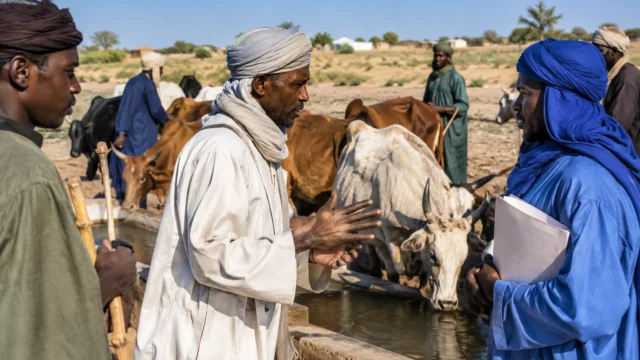
A water point can become a fault line when access rules are disputed and weapons are circulating. In the department of Ngoura, Chad, a dispute over watering livestock escalated into deadly clashes between members of the Kreda and Kouka communities.
Toll revised after initial reports
Violence broke out on Friday 30 October 2026 in the Ngoura area, in Hadjer-Lamis province. Initial local reports said seven people had been killed and 22 injured. The following day, Chad’s Ministry of Territorial Administration issued a higher toll: 25 dead and 22 injured. The two figures correspond to different stages of the count; the toll of 25 dead was announced by the authorities after the clashes.
According to local elected officials quoted in initial accounts, the dispute is said to have begun when a Kreda herder brought his herd near a pond in an area frequented by Kouka farmers. An altercation allegedly followed, then a gunshot wounded a man in the foot. Reinforcements are said to have subsequently joined both groups. The precise circumstances and individual responsibilities remain to be established by the investigation.
The 22 injured were treated in Ngoura, according to locally reported information. A government delegation travelled to the department on Saturday 31 October. The ministry also announced the arrest of 39 people, who were transferred to N’Djamena for further judicial proceedings. An arrest does not amount to a finding of guilt: the facts must be examined by the courts.
Water scarcity does not explain everything
Chad faces recurring tensions over cultivated land, grazing areas and water points. Access to these resources is particularly sensitive when seasonal livestock movements intersect with farmland or disputed administrative boundaries. Lower rainfall can reduce available reserves and increase pressure, but it is not enough to explain why a local dispute turns into an armed clash.
The earlier incident at Dibebé, also in the Ngoura region, is a reminder of the persistence of these tensions: in November 2025, clashes over a well there killed at least 33 people, according to local sources. More broadly, a report published by Amnesty International in November 2025 documented several episodes of violence between farmers and herders in the south of the country between 2022 and 2024. The organisation cites, in particular, inadequate prevention mechanisms, delays in some interventions and difficulties accessing justice.
The circulation of weapons makes escalations deadlier. Two Chad specialists quoted in the reports underlying this article say that arming civilians can increase the confidence of those involved and speed up the mobilisation of relatives from other localities. These explanations shed light on possible factors; they do not replace an independent investigation into the weapons used and responsibility for the events of 30 October.
Beyond the emergency response
The deployment of security forces can halt violence and protect residents in the short term. But a return to calm does not necessarily resolve disagreements over the use of a pond, land boundaries or transhumance routes. Residents of the villages concerned bear the direct human and material costs of the clashes. Farmers risk losing crops and livelihoods; herders depend on access to water points and grazing areas. The injured, their families and local health services must also contend with the immediate consequences.
The announced arrests and the transfer of suspects to N’Djamena have now put the judicial response at the centre of attention. To prevent further violence, the authorities will also need to clarify local rules for access to resources, address land disputes and ensure that mediation mechanisms are accessible to communities. Useful mediation cannot replace an investigation or the justice system; it can help reduce the risk of reprisals if it is based on rules that are understood and accepted.
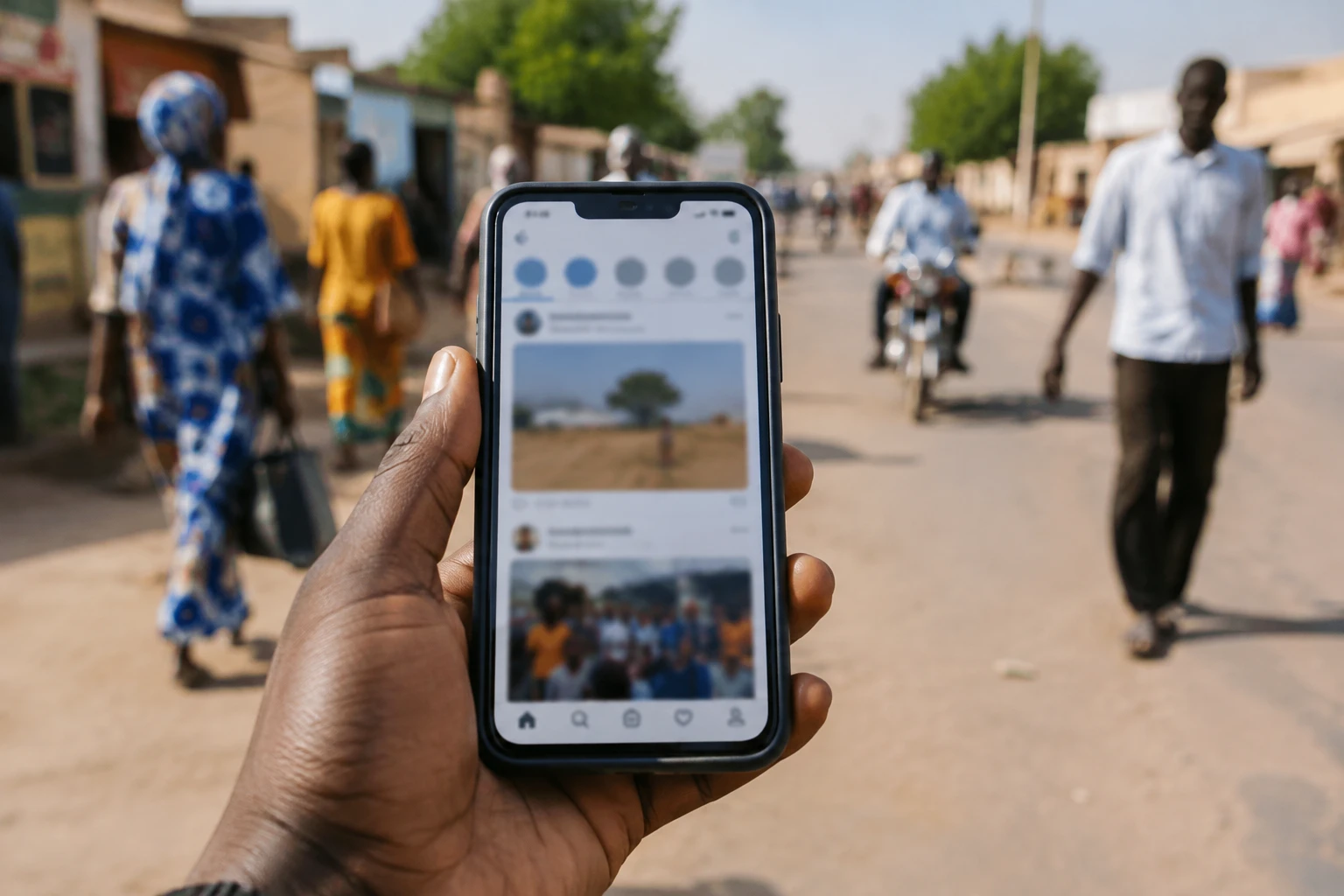
Mobile phones can speed up the spread of alerts and the arrival of reinforcements, according to witnesses quoted in the available reports. This capacity for mobilisation underlines the importance of a rapid response, as well as of local contacts able to verify rumours and contain calls for revenge. The details of this mobilisation and its precise role in the clashes remain to be documented.
A prevention challenge for Chad and Central Africa
Chad is a member of the Central African Economic and Monetary Community (CEMAC), which brings together six Central African states. The violence in Ngoura is primarily a national and local issue, not a conflict between countries. It nevertheless serves as a reminder that preventing agropastoral tensions also matters in areas where communities depend on shared resources and authorities must coordinate mediation, security and justice.
The next step will be to see whether the investigation establishes responsibility and whether the authorities accompany the security intervention with sustained work alongside communities. The human toll announced by the ministry must be distinguished from the initial local figures, and the circumstances of the altercation must be verified. In Ngoura, the immediate question is how to ensure a safe return to daily life; in the longer term, it is how to establish rules for access to water and land that can prevent the next escalation.
Chadian report on the announced toll and arrests in Ngoura ; initial local reports on the violence of 30 October ; Amnesty International report on agropastoral conflicts in Chad.