
 Algeria
 Egypt
 Libya
 Morocco
 Sudan
 Tunisia
 Benin
 Burkina Faso
 Cabo Verde
 Côte d'Ivoire
 Ghana
 Guinea
 Guinea-Bissau
 Liberia
 Mali
 Mauritania
 Niger
 Nigeria
 Senegal
 Sierra Leone
 The Gambia
 Togo
 Central African Republic
 Chad
 DR Congo
 Equatorial Guinea
 Gabon
 Republic of the Congo
 São Tomé and Príncipe
 Burundi
 Comoros
 Djibouti
 Eritrea
 Ethiopia
 Kenya
 Madagascar
 Malawi
 Mauritius
 Mozambique
 Rwanda
 Seychelles
 Somalia
 South Sudan
 Tanzania
 Uganda
 Angola
 Botswana
 Eswatini
 Lesotho
 Namibia
 South Africa
 Zambia
 Zimbabwe
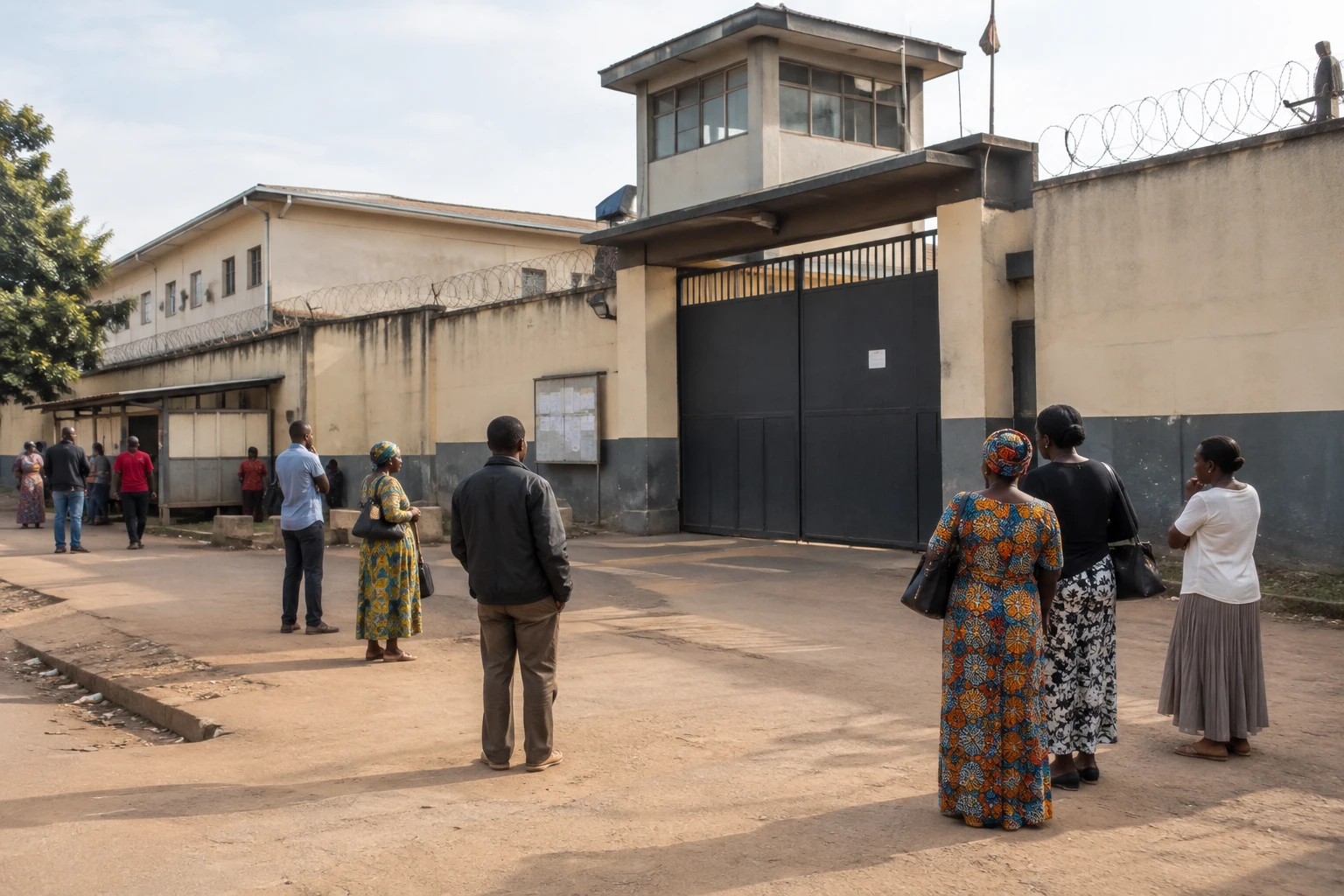
A prison door opening after months in detention does not always close the case. In Cameroon, the release of 19 people in Yaoundé marks a first step after convictions linked to the 2025 post-election protests. It also leaves an immediate question: why did some convicted people wait several days after paying their fines?
An electoral crisis that left cases unresolved
Cameroon’s presidential election was held on 12 October 2025. After the Constitutional Council proclaimed Paul Biya the winner, challenges and protests took place in several cities. Opposition figure Issa Tchiroma Bakary rejected the result. The election and its aftermath thus prolonged tensions over political representation and confidence in the electoral process.
Cameroon is a member of the Economic and Monetary Community of Central Africa (CEMAC), which brings together six states under shared economic institutions. But the judicial consequences of this crisis remain primarily national: proceedings are taking place in Cameroonian courts and involve people held in different cities.
The legal aftermath also recalls a recent precedent. After opposition marches in September 2020, activists from the Cameroon Renaissance Movement were detained for several years. This does not mean the two cases are identical. It does, however, show that the judicial handling of political protests remains a sensitive issue in the country.
At Kondengui, 19 people released overnight
On 8 October 2026, the Yaoundé military tribunal sentenced 66 people arrested in connection with the October 2025 protests. Reported sentences ranged from six months suspended to 15 months in prison. A week later, 19 detainees left Yaoundé-Kondengui Central Prison overnight, from Friday 16 to Saturday 17 October.
The first releases took place at about 10pm, according to available information. Relatives were waiting outside. Some detainees had already paid their fines, but their release was not immediate. Me Paul Alain Ndam, a lawyer for the defence collective, attributed the delay to administrative slowness. This explanation comes from the defence; no official details of the precise formalities were made available in the material consulted.
The release of the 19 does not mean that everyone convicted has regained their freedom. The timetable depends on the sentences handed down, time already spent in detention and release procedures. According to information reported after the judgment, those given the longest sentences could remain in prison until February 2027.
Actual time in detention at the heart of the debate
The gap between the end of a sentence, payment of a fine and actual release raises a practical question of procedure. For families, each additional day prolongs uncertainty and the costs associated with visits and supporting detainees. For those released, leaving prison ends their incarceration, but does not in itself settle the debate over the arrests or the judicial handling of the protests.
The defence says some detainees were imprisoned for demanding their rights. This is the assessment of those concerned and their lawyers. The convictions, meanwhile, were handed down by the military tribunal. Rigorous reporting must distinguish between these two elements: established court decisions and the challenges raised by those prosecuted.
The situation is not limited to the 66 people tried on 8 October. Dozens of other detainees linked to the post-election events are still awaiting trial, according to information reported by Cameroonian media. The number and timing of these proceedings may change; they should therefore be followed on a case-by-case basis, without conflating separate cases.
A test of confidence in institutions
What happens next will depend as much on the enforcement of sentences as on the clarity of procedures. The swift issuance of release documents, access to legal assistance and hearings held within predictable timeframes will shape perceptions of justice. These issues concern detainees and their relatives, but also the institutions responsible for maintaining public order and upholding the rights of the defence.
Across Central Africa, this episode is a reminder that an electoral crisis can continue long after results are declared. For CEMAC, the challenge is not to replace Cameroonian courts. It is to monitor the conditions for institutional stability in an important member state in the region. The next concrete milestone is the release timetable for those convicted and progress in the other trials.
The 19 releases from Kondengui bring immediate change for their families. They do not resolve the political dispute stemming from the 2025 presidential election. How Yaoundé handles the remaining detentions and any appeals will show whether this first wave opens a period of judicial clarification or remains an isolated step.



