
 Algeria
 Egypt
 Libya
 Morocco
 Sudan
 Tunisia
 Benin
 Burkina Faso
 Cabo Verde
 Côte d'Ivoire
 Ghana
 Guinea
 Guinea-Bissau
 Liberia
 Mali
 Mauritania
 Niger
 Nigeria
 Senegal
 Sierra Leone
 The Gambia
 Togo
 Central African Republic
 Chad
 DR Congo
 Equatorial Guinea
 Gabon
 Republic of the Congo
 São Tomé and Príncipe
 Burundi
 Comoros
 Djibouti
 Eritrea
 Ethiopia
 Kenya
 Madagascar
 Malawi
 Mauritius
 Mozambique
 Rwanda
 Seychelles
 Somalia
 South Sudan
 Tanzania
 Uganda
 Angola
 Botswana
 Eswatini
 Lesotho
 Namibia
 South Africa
 Zambia
 Zimbabwe
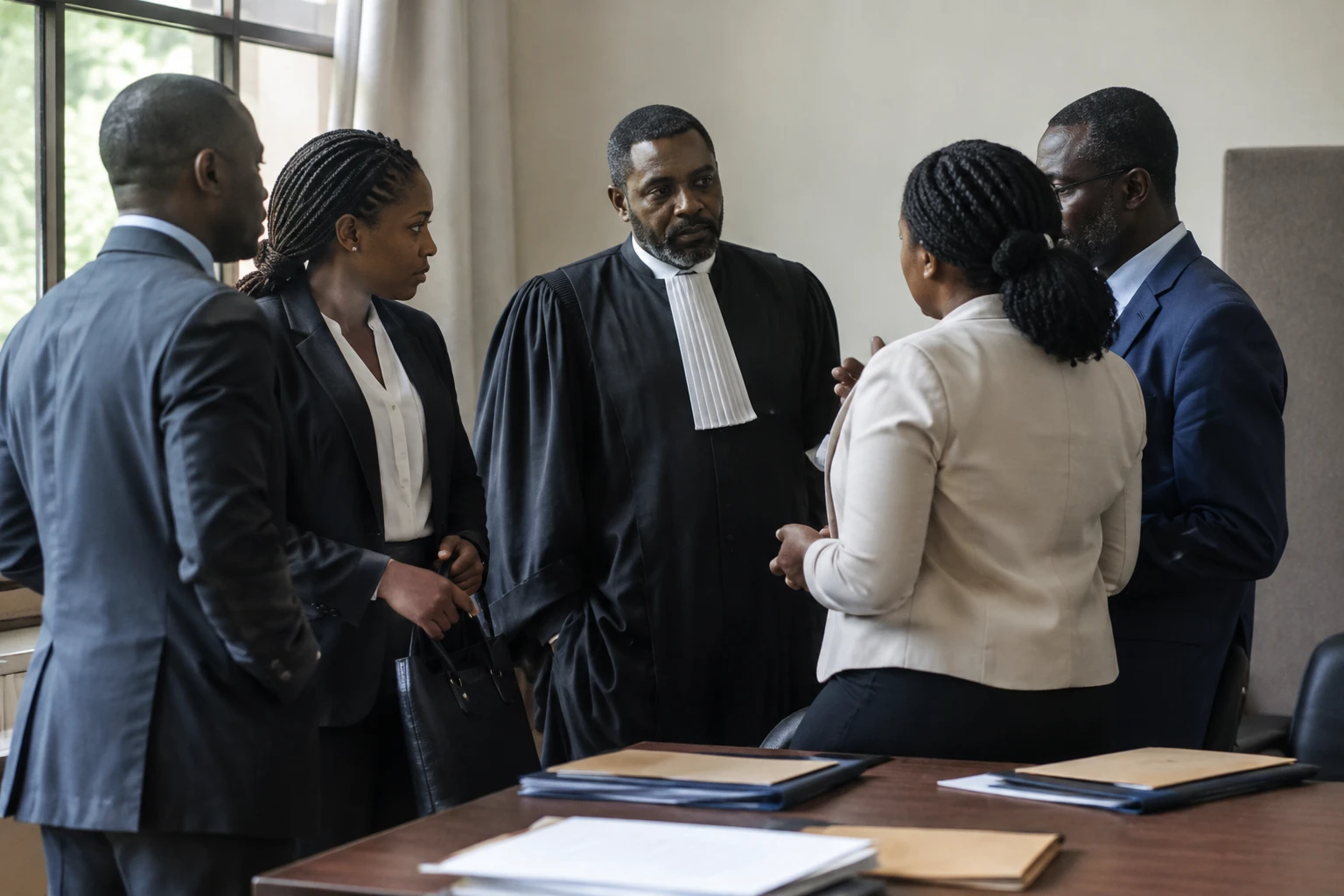
A completed sentence does not always open a prison’s doors. At Nkondengui prison in Yaoundé, lawyers say 22 inmates convicted after the 2025 post-election tensions remain behind bars despite reportedly having served their sentences. The dispute now centres on the documents required for their release.
A post-election case still before the courts
In Cameroon, tensions followed the presidential election of 12 October 2025. The Constitutional Council declared Paul Biya the winner on 27 October, securing an eighth term. Opposition figure Issa Tchiroma Bakary challenged the result. Protests and arrests subsequently took place in several cities. Human Rights Watch reported hundreds of arrests and deaths in this context, attributing the available information.
These events took place amid an already tense political climate, marked by disagreements over the vote and its handling. The crisis led to protesters and other people who had been arrested appearing before the Yaoundé military tribunal. The court is at the centre of a recurring debate: human rights organisations criticise the use of military justice to try civilians.
The issue extends beyond those already convicted. According to the defence collective cited in the available information, more than 60 people were still awaiting trial before the military tribunal. Hearings announced for late October could therefore prolong the judicial handling of the case.
Sentences served, formalities disputed
On 8 October 2026, the military tribunal delivered its verdict for a first group of 66 people arrested in the post-election context. Available reports indicate that some defendants received sentences shorter than the time they had already spent in detention. For several of them, release also depended on payment of a fine.
Of those concerned, 22 were still being held at Nkondengui Central Prison when their lawyers made representations, according to the defence. Lawyer Ulrich Ngouana said the inmates had confirmed to him that they had paid the fines. He believes their continued imprisonment is no longer justified if their sentences have indeed been served and the payments recorded.
The defence says it has begun the process with the prison. It says it is waiting for the necessary formalities to be completed. However, prison officials say they have not received from the military tribunal registry the documents needed to order the releases, including release orders and proof of payment.
The two accounts therefore describe an administrative blockage, but are not in themselves enough to verify the individual situation of the 22 inmates. The number, payment of the fines and status of the documents are reported by the parties concerned. Actual release will depend on the relevant services transmitting and validating the documents.
When procedure prolongs detention
This situation highlights the possible gap between a court ruling and its implementation. A sentence already covered by time spent in detention can pave the way for release, but the administration must have the documents establishing this. If the court and prison services do not transmit these documents promptly, the person concerned may remain behind bars beyond the sentence imposed.
For inmates and their families, the wait means further uncertainty after months of proceedings. For the prison administration, the issue is formal verification before any release. For lawyers, it concerns the implementation of a judicial decision and the possibility of challenging continued detention that they consider unjustified.
The delay also weighs on trust in institutions. A clear decision that is implemented promptly allows families to know what is happening to their relatives and enables the authorities to show that due process is being followed. Conversely, conflicting accounts of the transmission of documents make it difficult to establish where the blockage lies and who must resolve it.
The detention of civilians by a military court raises another issue. Criticism from human rights organisations is not limited to the length of trials: it also concerns the choice of court. The authorities, for their part, frame these prosecutions as part of the judicial handling of incidents that occurred after the vote. These positions do not answer the immediate question of release, but they shed light on the debate over the safeguards afforded to defendants.
A test for the next stage of the case
Cameroon is a member of the Economic and Monetary Community of Central Africa (CEMAC), which brings six countries together under common economic institutions. The case falls first and foremost under Cameroon’s justice system: CEMAC has no role in deciding whether the inmates are released. But the way Yaoundé handles the aftermath of an electoral crisis may attract attention in a region where political stability and trust in institutions remain major concerns.
At continental level, the issue also relates to African Union principles on elections, the rule of law and fundamental rights. The aim is not to conflate national situations, but to observe how authorities handle electoral disputes and ensure that court decisions are implemented.
The next practical step is to clarify the administrative file: has the registry sent the required orders, have the fines been verified, and will the releases be carried out? The hearings still awaited before the military tribunal will provide another indicator. For the inmates concerned, the immediate issue remains clear: that their time in detention match the sentence imposed and that any release decision be implemented without unjustified delay.
Information about the 8 October verdict and the 22 people still in detention is reported by Cameroonian media and available accounts, while details of the steps taken and documents required are attributed to the lawyers and prison administration. Public sources consulted do not confirm whether the 22 people have since been released.



