Algeria
 Egypt
 Libya
 Morocco
 Sudan
 Tunisia
 Benin
 Burkina Faso
 Cabo Verde
 Côte d'Ivoire
 Ghana
 Guinea
 Guinea-Bissau
 Liberia
 Mali
 Mauritania
 Niger
 Nigeria
 Senegal
 Sierra Leone
 The Gambia
 Togo
 Cameroon
 Central African Republic
 Chad
 DR Congo
 Equatorial Guinea
 Gabon
 Republic of the Congo
 São Tomé and Príncipe
 Comoros
 Djibouti
 Eritrea
 Ethiopia
 Kenya
 Madagascar
 Malawi
 Mauritius
 Mozambique
 Rwanda
 Seychelles
 Somalia
 South Sudan
 Tanzania
 Uganda
 Angola
 Botswana
 Eswatini
 Lesotho
 Namibia
 South Africa
 Zambia
 Zimbabwe
When faith brings people together, safety must follow
In Bujumbura, a religious vigil can fill a stadium, a school field or a large hall within hours. This success reflects the place of Pentecostal churches in urban Burundian life. It also serves as a reminder of an obvious point that is too often overlooked: when crowds become large, logistical planning matters as much as the message.
Burundi’s political capital is Gitega, while Bujumbura remains the country’s economic capital. Burundi is a member of the East African Community, which now comprises eight partner states, and the city retains a central role in major religious, cultural and commercial gatherings.
The Kamenge crush as worshippers left an evangelical gathering
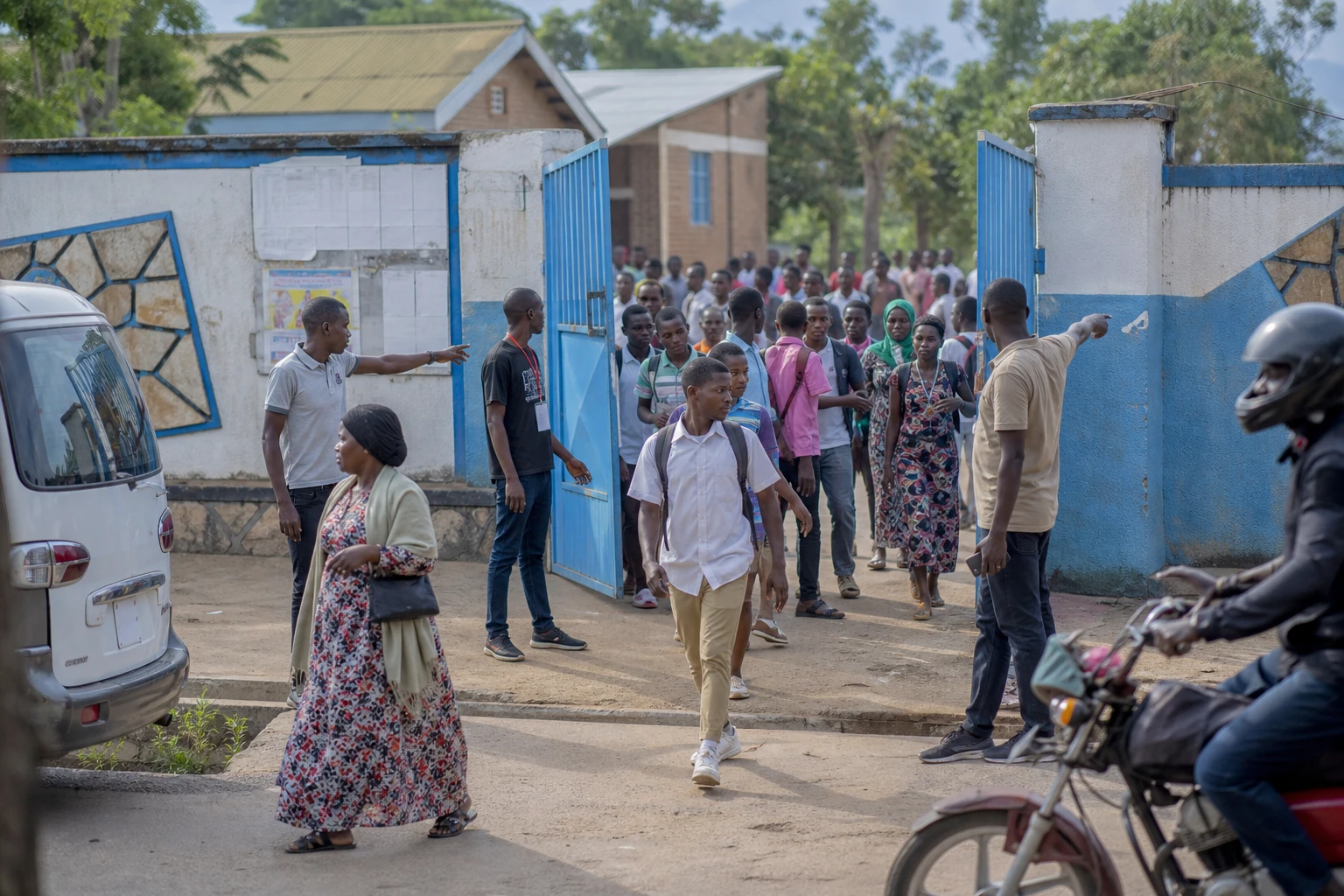
On the evening of Saturday 18 July 2026, a crush broke out at the end of an evangelical gathering held at Kamenge Technical School in northern Bujumbura. Figures released the following day by the Burundian police put the toll at at least eight dead and nine injured. Several media outlets confirmed these figures after cross-checking information from officials and witnesses at the scene.
A teacher at the school described a hurried exit, with worshippers trying to leave at the same time. The account illustrates the familiar mechanics of a crowd crush: a narrow exit, high density, darkness, then pressure turning into trampling. Such accidents are not uncommon at large gatherings where crowd flow is poorly managed, whether religious, sporting or political.
Preacher Chris Ndikumana, a widely followed figure in the French-speaking African world, responded on social media by offering his condolences to the bereaved families. His YouTube channel has more than one million subscribers, and his popularity extends far beyond Burundi. This following gives his events a cross-border dimension, but also demands stricter standards for security, reception and evacuation.
A local tragedy with national implications
The tragedy has affected families in Bujumbura first, and then a wider network of worshippers who came seeking a moment of prayer, comfort or hope. In a society where religious gatherings play an important social role, the incident raises questions about the shared responsibility of organisers, security services and local authorities. When a crowd leaves as one, the issue is not only spiritual. It becomes technical, medical and administrative.
The official response is expected for another reason, too. In recent months, Burundian authorities have repeatedly highlighted national unity, peace and collective mobilisation, particularly during ceremonies in Bujumbura marking the 64th anniversary of the country’s independence. In this context, a fatal accident in the economic capital requires the state to show that it can protect large crowds, including outside the usual political or military settings.
The organisers’ initial silence and the lack of an immediate response on whether an investigation would be opened have fuelled questions. For Burundians, what happens next will matter at least as much as the toll: identifying the victims, caring for the injured, examining responsibility and, above all, addressing the failures that led to the human bottleneck at the exit.
What the accident says about the region and the continent
Burundi is not an isolated case. In several African countries, large religious gatherings now attract very substantial crowds, driven by social media, gospel music and preachers who have become regional personalities. The continent’s religious and community life is growing in vitality, but this expansion calls for safety standards to match.
The reminder also applies across the continent. In East Africa, where mobility is high and cross-border gatherings are frequent, crowd management concerns public health as much as urban governance. East African Community states face similar challenges: growing urban density, the rapid movement of worshippers and visitors, and mounting pressure on emergency services.
In the short term, the focus will be on the Burundian authorities’ response: an investigation, security measures for upcoming large gatherings and possible recommendations for places of worship, schools and public halls in Bujumbura. More broadly, the incident is a reminder that the growth of religious mobilisation in Africa must be accompanied by a culture of prevention. Fervour is no substitute for organisation.