Algeria
 Egypt
 Libya
 Morocco
 Sudan
 Tunisia
 Benin
 Burkina Faso
 Cabo Verde
 Côte d'Ivoire
 Ghana
 Guinea
 Guinea-Bissau
 Liberia
 Mali
 Mauritania
 Niger
 Nigeria
 Senegal
 Sierra Leone
 The Gambia
 Togo
 Cameroon
 Central African Republic
 Chad
 DR Congo
 Equatorial Guinea
 Gabon
 Republic of the Congo
 São Tomé and Príncipe
 Burundi
 Comoros
 Djibouti
 Eritrea
 Ethiopia
 Madagascar
 Malawi
 Mauritius
 Mozambique
 Rwanda
 Seychelles
 Somalia
 South Sudan
 Tanzania
 Uganda
 Angola
 Botswana
 Eswatini
 Lesotho
 Namibia
 South Africa
 Zambia
 Zimbabwe
When a road becomes a question of markets, electricity and mobility
In Bomet, in south-western Kenya, infrastructure is not merely a backdrop. It is the practical prerequisite for getting farm produce out of the fields, connecting villages to towns and adding value to the local economy. In a county where activity depends heavily on daily travel, the condition of roads, access to electricity and the availability of modern markets have a direct bearing on household incomes, whether people are producers, traders or transporters.
The issue also forms part of a broader national drive. Nairobi has been pushing an agenda to speed up construction projects for several months, with road, rail and energy schemes presented as drivers of growth. The head of state has said, in particular, that 2026 should mark a faster implementation phase for major projects already under contract, including the extension of road and rail links to the west of the country.
What the government plans for Bomet
On Wednesday 9 September 2026, President William Ruto announced an investment package of 23.6 billion Kenyan shillings, or about $182 million, for Bomet County. The funding covers three areas. First, 19 billion shillings will go towards 11 roads totalling more than 380 kilometres. Next, 2.8 billion shillings has been earmarked to connect 25,000 households to electricity. Finally, 1.78 billion shillings will be used to build 11 modern markets.
The announcements were made during a four-day tour of the South Rift, which includes Bomet and Kericho. The programme featured project inspections, construction launches and several inaugurations. The Kapkatet-Boito-Kiptenden-Kapkoros-Kiplelji-Kapkwen-Siongiroi road was among the routes highlighted. The executive presents the works as a response to local transport needs, but also as a way to make it easier to move agricultural produce to market.
The announced electricity connections form part of a wider policy to extend the grid. The International Energy Agency notes that Kenya has made significant progress in access to electricity, while rural areas continue to face challenges. The new programme in Bomet is therefore aimed at areas that remain underserved, where electricity is essential not only for lighting homes, but also for storage, small-scale processing and the use of basic equipment.
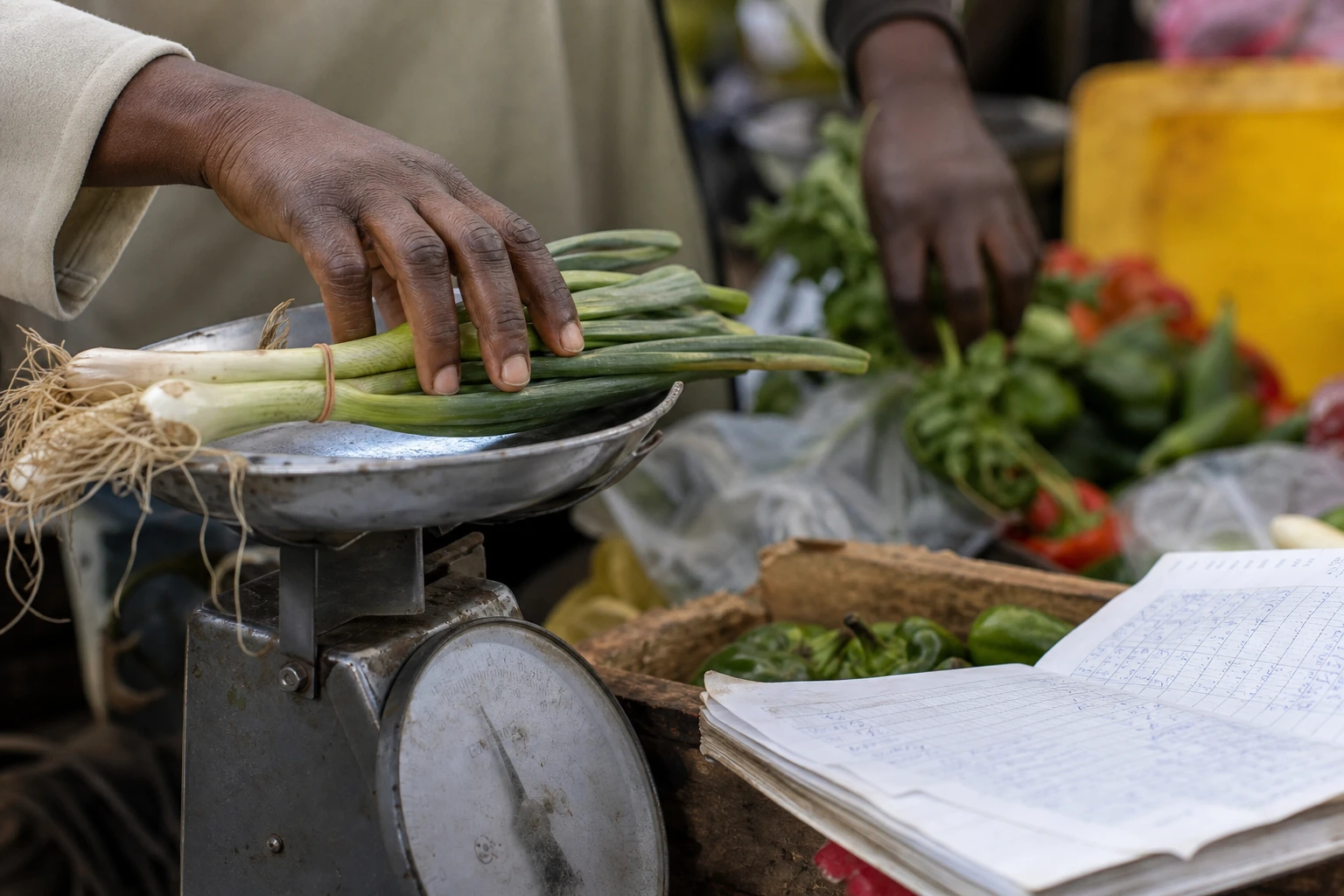
Markets, meanwhile, are no minor detail. In an economy based on small-scale production and informal trade, a covered market with water, road access and electricity can reduce losses, improve hygiene and stabilise local prices. In Bomet, several previous initiatives have already shown that the authorities regard such facilities as economic tools on a par with roads. Market projects had featured on earlier presidential itineraries in the county.
Practical stakes for households, producers and the state
For rural residents, the main issue is distance. A passable road changes how often people travel to schools, dispensaries, depots, bus stations and sales points. It also cuts transport costs, which can increase smallholders’ margins. In an agricultural county, this reduction in costs is often more tangible than grand statements about competitiveness.
For the Kenyan government, the programme is also a political and budgetary undertaking. The authorities want to show that development promises are being delivered in counties far from Nairobi. This strategy serves two purposes: responding to pressure from rural voters and demonstrating that the executive can still deliver visible projects despite cash-flow constraints, arrears owed to public works contractors and criticism of infrastructure financing.
The case of Bomet also highlights a reality often missing from national assessments: most infrastructure that matters to households is delivered at county level, not only along major corridors. Upgrading a secondary road, bringing in electricity or opening a market can transform a production area faster than a high-profile project. This is where the benefits become tangible, particularly for women traders, young transport operators and small-scale producers who depend on short supply chains.
A regional perspective: Bomet in the East African context
Beyond Kenya, the latest development fits a pattern familiar across East Africa. The East African Community places basic infrastructure at the heart of its operations because it enables the movement of goods, people and energy. The bloc’s road corridors already connect Kenyan markets with Uganda, Rwanda, Burundi, Tanzania, South Sudan and eastern DRC.
From this perspective, a county road is never entirely local. It feeds collection networks, wholesale markets and logistics platforms and, ultimately, cross-border trade. Improving secondary routes around Bomet could therefore strengthen flows towards the major corridors that run through western Kenya. It could also support future links planned for the region, including rail and road projects mentioned in national and community strategies.
What needs to be watched now is not just the announcement, but the pace of implementation. In several counties, the shift from rhetoric to construction has often run up against contracts, payments to contractors and competing national budget priorities. In Bomet, the credibility of the 23.6 billion shilling package will therefore be judged by visible progress on the roads, the actual number of connections completed and the delivery of the modern markets.