Algeria
 Egypt
 Libya
 Morocco
 Sudan
 Tunisia
 Benin
 Burkina Faso
 Cabo Verde
 Côte d'Ivoire
 Ghana
 Guinea
 Guinea-Bissau
 Liberia
 Mali
 Mauritania
 Niger
 Senegal
 Sierra Leone
 The Gambia
 Togo
 Cameroon
 Central African Republic
 Chad
 DR Congo
 Equatorial Guinea
 Gabon
 Republic of the Congo
 São Tomé and Príncipe
 Burundi
 Comoros
 Djibouti
 Eritrea
 Ethiopia
 Kenya
 Madagascar
 Malawi
 Mauritius
 Mozambique
 Rwanda
 Seychelles
 Somalia
 South Sudan
 Tanzania
 Uganda
 Angola
 Botswana
 Eswatini
 Lesotho
 Namibia
 South Africa
 Zambia
 Zimbabwe
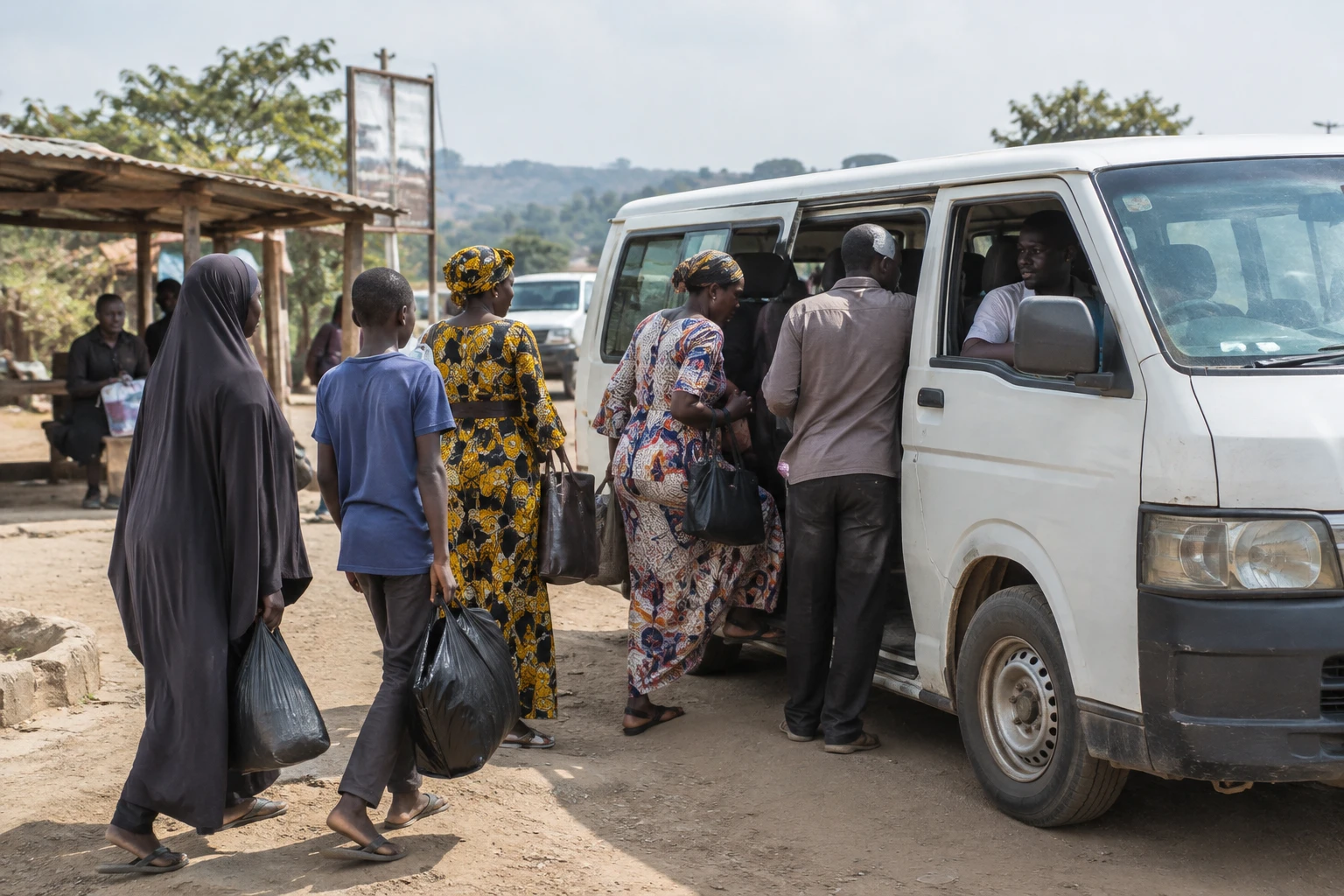
In Binnari, fleeing the attack also cost lives. Residents say people, including women and children, went to a river to escape the gunmen. Some are believed to have drowned. The community has put the death toll at 50, but figures remain disputed.
Death toll rises after searches
The attack took place on Friday 23 October 2026, at around 3pm, in the village of Binnari, in the Karim Lamido local government area of Taraba State, in north-eastern Nigeria. Taraba police initially said they had found ten bodies with gunshot wounds. They said reinforcements had been deployed, including police units and the Nigerian army. The initial toll reported by Taraba police covered only the bodies found at the scene.
Two days later, residents raised the death toll to 50 after bodies were found in the surrounding area and in a river. Bashir Mamuda Musa, a Binnari resident, said seven bodies had been found on Friday and another 43 on Saturday. Another resident, Abdullahi Zakari, confirmed this count to AFP. These accounts support the figure of 50, but do not amount to a consolidated official toll.
Published estimates do not all match. Police initially reported ten deaths. Amnesty International Nigeria later reported at least 40 victims, while community accounts put the figure at 50. Nigerian reports distinguish police figures from local counts. The figure of 50 should therefore be attributed to residents until the authorities publish a verified, detailed toll.
Taraba, between local violence and rural insecurity
The attackers are said to have travelled by motorbike, shot at residents and looted shops. Survivors describe them as members of a suspected criminal gang, often referred to in Nigeria as “bandits”. The term alone does not establish the group’s identity, precise motives or possible links to other armed organisations.
Taraba is in north-eastern Nigeria, a region that has been affected by jihadist insurgency for years. But criminal violence attributed to “bandits” should not automatically be conflated with that insurgency. Armed groups do not all have the same aims, areas of operation or methods. At this stage, none of the cited sources has established that the perpetrators of the Binnari attack belong to a jihadist movement.
In several rural parts of Nigeria, criminal groups are associated with kidnappings for ransom, village attacks and pressure on farming or mining activities. Such violence flourishes in particular where residents live far from security services and interventions are difficult. However, the information available on Binnari is not sufficient to establish that the attack was aimed at imposing a tax or controlling a particular economic activity.
The consequences are felt first by bereaved families and those who fled. When residents leave their village, they can lose access to their homes, food stocks, shops and farmland. For small-scale traders and farmers, even a brief interruption can undermine their income. Published reports do not yet provide a reliable count of people displaced or the extent of material damage.
Protecting communities remains the immediate priority
Taraba police announced reinforcements and coordinated operations after the attack. Their response should be assessed against verifiable results: lasting protection for residents, the search for missing people, identification of the suspected perpetrators and transparency about the investigation. At the time of the first reports, police had not released a final toll matching the figure given by residents.
Amnesty International Nigeria has condemned repeated attacks on rural communities and the lack of effective prosecutions in some cases. Its criticism concerns the authorities’ responsibility to protect the population and investigate. It does not, on its own, establish who organised the Binnari attack. Nigerian media have also reported the organisation’s call for an impartial investigation.
For the authorities, the challenge is therefore not limited to sending forces after the shooting. It also involves gathering testimony without putting survivors at risk, finding those reported missing and establishing the circumstances of the deaths, including those attributed to drowning while fleeing. A clear investigation would help distinguish confirmed facts from accounts that are still incomplete.
A local crisis with regional implications
Nigeria is a member of ECOWAS, the Economic Community of West African States, which also works on regional security cooperation. The Binnari attack remains a local event, however, and there is no evidence that it had a cross-border dimension. Regional cooperation becomes relevant when groups, weapons or criminal networks cross borders; it does not replace the day-to-day protection provided by Nigerian institutions. ECOWAS’s conflict prevention framework refers to combating banditry and cross-border crime.
For now, three points remain unclear: the final death toll, the identity of the attackers and the fate of those still being sought. The contrast between the ten deaths initially reported by police and the 50 reported by the community also shows why the authorities must explain how figures are compiled. For Binnari’s residents, the challenge is now to be able to return without fear of another attack, while the investigation must determine responsibility without prejudging the facts.