Algeria
 Egypt
 Libya
 Morocco
 Sudan
 Tunisia
 Benin
 Burkina Faso
 Cabo Verde
 Côte d'Ivoire
 Ghana
 Guinea
 Guinea-Bissau
 Liberia
 Mali
 Mauritania
 Niger
 Nigeria
 Senegal
 Sierra Leone
 The Gambia
 Togo
 Cameroon
 Central African Republic
 Chad
 DR Congo
 Equatorial Guinea
 Gabon
 Republic of the Congo
 São Tomé and Príncipe
 Burundi
 Comoros
 Djibouti
 Eritrea
 Ethiopia
 Kenya
 Madagascar
 Malawi
 Mauritius
 Mozambique
 Rwanda
 Seychelles
 Somalia
 South Sudan
 Tanzania
 Uganda
 Angola
 Botswana
 Eswatini
 Lesotho
 Namibia
 South Africa
 Zambia
 Zimbabwe
A market also shaped behind the scenes in Africa
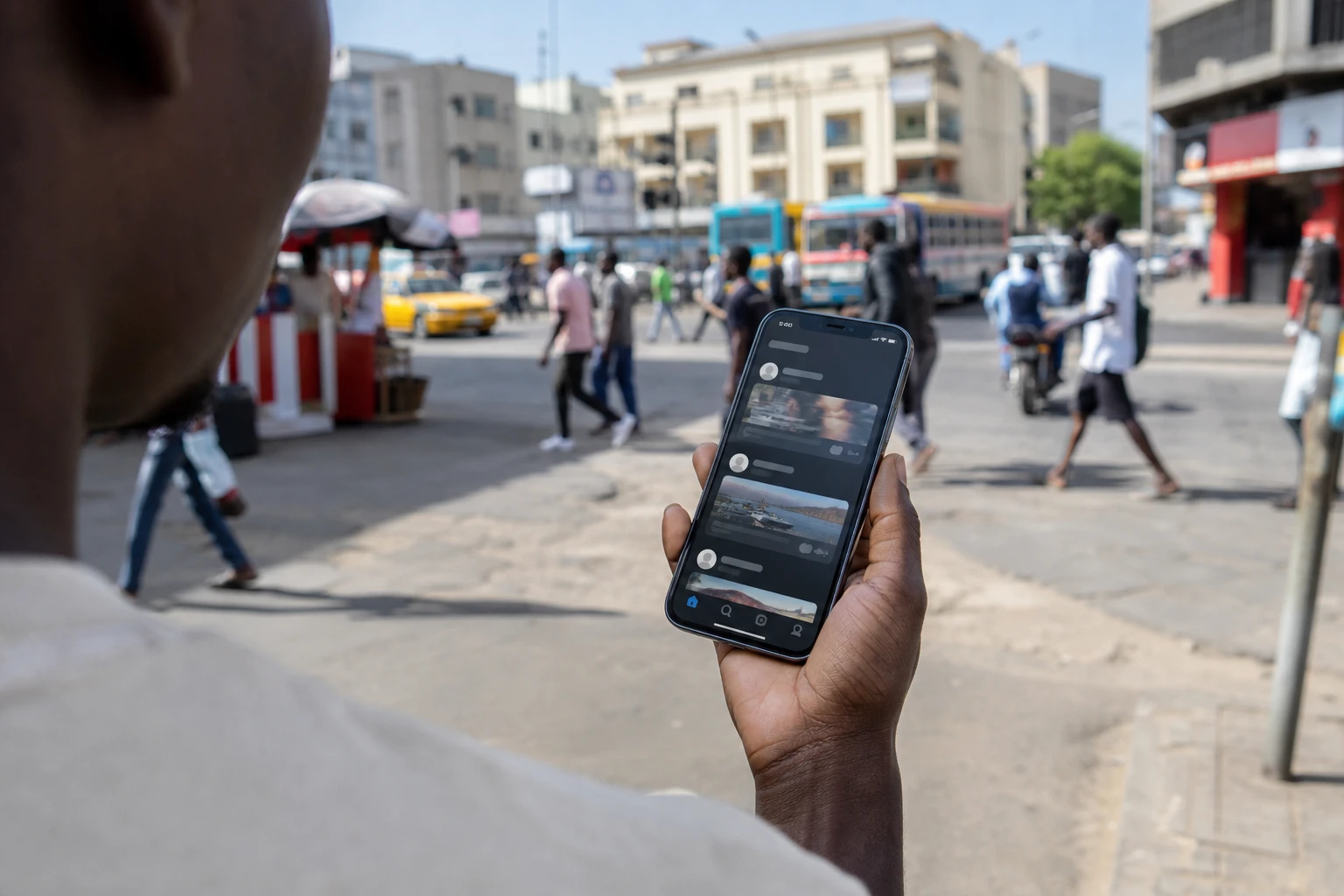
The summer transfer window is not just a race to spend the most. It is also a moment when European clubs test their ability to hold on to players who have become strategic assets, while African national teams are already considering the impact of these moves on upcoming competitions. In this landscape, several names from the continent carry more weight than others because they combine youth, performance and room to improve. Their careers say something about African football today: it produces regular starters, goalscorers and top-level players, not just prospects.
The picture is continental as well as national. The Africa Cup of Nations, qualification campaigns for major competitions and the growing strength of the continent’s talent-development clubs have raised the profile of African players in the European market. When a club such as Leipzig, Dortmund, Liverpool or Paris Saint-Germain ties down or extends the contract of an international, the message reaches beyond its squad: it affects the value of African talent in the global football economy.
Yan Diomandé: the warning from Leipzig
Among the most closely watched cases, Yan Diomandé is the focus of considerable interest. The 19-year-old winger, who joined Leipzig in summer 2025, had a highly productive first season, scoring 13 goals and providing 10 assists in 36 appearances in all competitions. Leipzig has even struck a firm tone in making clear it has no intention of selling him this summer, while the player is under contract with the club until 2030. In other words, this is not just a sporting matter: it has become a test of financial strength for interested clubs.
Diomandé’s profile is also distinctive. He can play on either flank, accelerate in tight spaces and finish moves. Players of this type are rare, especially when they are already delivering in the Bundesliga, a league that places a high value on intensity, transitions and forward thrust. For a selling club, such performances create a position of strength. For buyers, they mean paying for potential that has already been proven.
Osimhen, Guirassy and the value of goals
Victor Osimhen remains another key figure in the African market. Galatasaray confirmed his arrival in summer 2025 for €75m, on a contract running until 2029. The Nigeria international is therefore not a free agent, but his status as a top-level goalscorer continues to fuel discussion about the continent’s leading centre-forwards. His quick adaptation in Turkey, after his spell at Napoli, confirmed a simple reality: when a number nine scores, he immediately becomes valuable currency in the market again.
In the Ruhr region, Serhou Guirassy offers a different perspective. The Guinea striker has enjoyed another highly productive season with Dortmund. The club’s official website credits him with 60 goals and 15 assists in 96 competitive matches, including 13 goals in 14 Champions League appearances in the 2024-2025 season. He has also scored more than 38 goals in 63 Bundesliga appearances for BVB over his first two seasons in Germany. These figures explain why he remains a major asset, even without explosive rumours at every transfer window.
For Guinea, the stakes go beyond an individual career. When an international from the country becomes one of the most reliable faces at a major European club, it raises the national team’s profile, makes the domestic league more attractive to young players and strengthens the country’s place on the map of African talent. Economically, it also sends a signal to scouts: the continent continues to produce centre-forwards capable of meeting the most demanding standards.
Mohamed Salah: a correction to make
Mohamed Salah’s case needs correcting. The Egyptian is no longer a free agent. Liverpool announced on 11 April 2025 that he had signed a new contract keeping him at the club beyond the 2024-2025 season. The narrative that his departure was imminent no longer holds. His standing in African football, however, remains immense: he is still one of the continent’s most influential figures, thanks to his honours, consistency and ability to keep making a difference at the highest level.
The extension says a great deal about the balance of power. A club that wants to keep its attacking leader must do so before the market opens up too many opportunities. Liverpool chose that route. The message is clear: an African player of this calibre is no longer just a symbol or a commercial icon. He remains central to sporting competitiveness, just like any European star.
Mbaye: Senegalese youth at the heart of PSG’s plans
Ibrahim Mbaye represents the other side of the market: very young players whom a major club wants to develop before giving them greater exposure. Paris Saint-Germain describes the forward as a product of the club, born in Trappes in 2008 and under a professional contract until 2027. The player, now a Senegal international, has been called up by the Lions of Teranga for the 2026 World Cup. His case is a reminder that a young African footballer’s value is measured not only by the number of goals scored, but also by the potential clubs believe they can develop.
PSG has, of course, no interest in parting with a player of this profile quickly, but playing time remains crucial. In a highly competitive squad, young forwards have to make the most of every minute. This is a challenge shared by many leading European clubs: they recruit or develop African talent, but must then offer players genuine progress to prevent stagnation. For Mbaye, as for others, the market often begins with an internal battle, long before outside bids arrive.
What this transfer window says about African football
Ultimately, this story is not just about five names. It shows that African players now occupy three different positions in the market: the high-priced target a club protects, the established goalscorer it retains at a premium and the young talent major clubs want to develop over the long term. This hierarchy says much about the maturity of African football within the European economy. National teams will be watching decisions made in the coming weeks closely, because every contract extension, transfer and loan can affect the balance of the international season ahead.