Algeria
 Egypt
 Libya
 Morocco
 Sudan
 Tunisia
 Benin
 Burkina Faso
 Cabo Verde
 Côte d'Ivoire
 Ghana
 Guinea
 Guinea-Bissau
 Liberia
 Mali
 Mauritania
 Niger
 Nigeria
 Senegal
 Sierra Leone
 The Gambia
 Togo
 Cameroon
 Central African Republic
 Chad
 DR Congo
 Equatorial Guinea
 Gabon
 Republic of the Congo
 São Tomé and Príncipe
 Burundi
 Comoros
 Djibouti
 Eritrea
 Ethiopia
 Kenya
 Madagascar
 Malawi
 Mauritius
 Mozambique
 Rwanda
 Seychelles
 Somalia
 South Sudan
 Tanzania
 Uganda
 Angola
 Botswana
 Eswatini
 Lesotho
 Namibia
 Zambia
 Zimbabwe
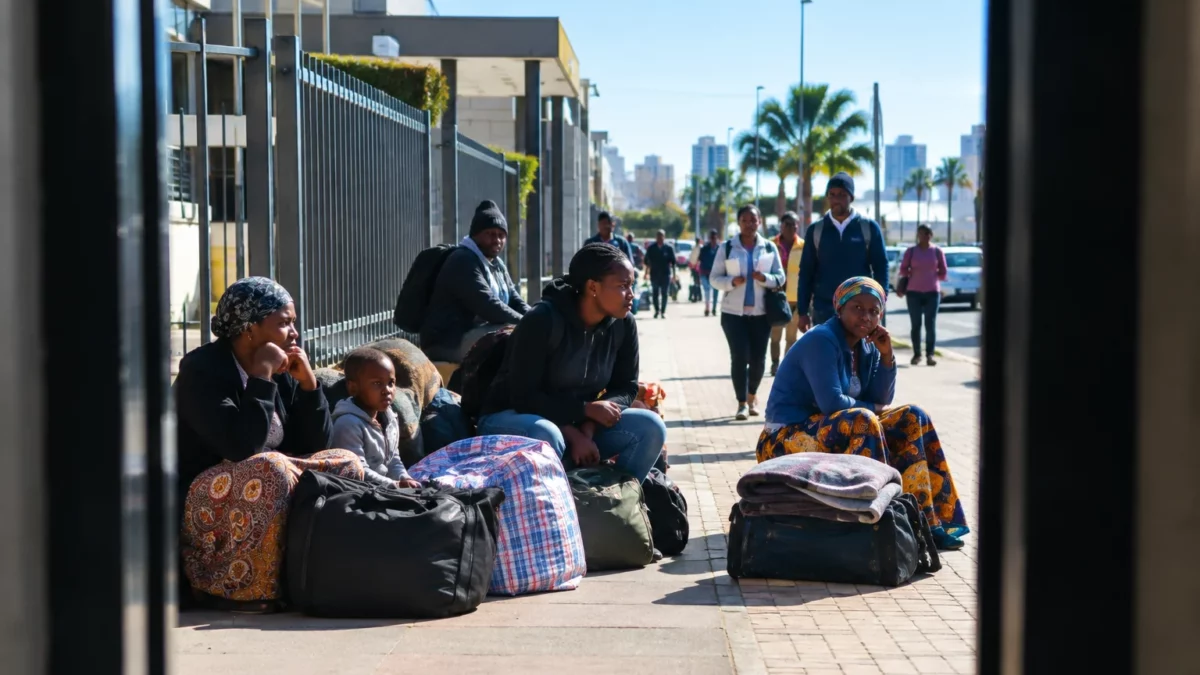
In Durban, refugee families spent several months on a pavement, a few steps from the department responsible for their status. The scene sums up growing tensions in South Africa: the authorities are tightening migration controls, while anti-immigration movements are exerting pressure in neighbourhoods and on the streets.
In Durban, the refuge moved to the pavement
Since May 2026, refugees and asylum seekers have camped outside the Department of Home Affairs reception centre on Che Guevara Road in Durban. Several had fled threats and violence in the neighbourhoods where they lived. South African media reported that hundreds of people had gathered there, including families with young children. The number of people present varied over the months.
The government said some of those at the camp had valid documents and offered them the choice of returning to their communities or going to the Lindela detention centre in Gauteng province. Refugees said they feared returning to the places they had left. In September, the authorities arranged for some of the group to be moved; others remained in Durban. The relocation brought the pavement camp to an end, but did not resolve the question of their safety and accommodation.
The situation was documented on the ground by GroundUp and public broadcaster SABC. The local outlet also reported criticism from a coalition of South African organisations, Siyafana Sonke, which argues that migrants should not be made scapegoats for the country’s problems. GroundUp followed the camp and the refugees’ efforts, while the SABC recorded their requests for protection and assistance.
Anti-immigration pressure takes to the streets
The Durban camp is part of a broader campaign. In spring 2026, the March and March movement organised protests against the presence of migrants in the country irregularly in several major cities, including Pretoria, South Africa’s capital, Johannesburg and Durban. Human Rights Watch reported assaults targeting African and Asian foreign nationals, as well as police responses deemed inadequate in some cases. The organisation says protests have sometimes escalated into deadly violence.
The movement’s leader, Jacinta Ngobese-Zuma, says immigration is increasing pressure on jobs and public services. She has also called for South Africa to withdraw from the 1951 Geneva Convention, which governs international refugee protection. This remains an activist position, not a state decision. Pretoria remains bound by the convention and by African instruments for the protection of refugees.
These tensions are fuelled by a context of high unemployment, stark inequality and pressure on public services. But blaming foreigners for these problems does not prove that they are responsible. Migrants work in formal and informal sectors, set up businesses and also use services that people with legal status are entitled to access. The reported attacks, evictions and threats have direct consequences: loss of income, disruption to schooling and difficulty accessing healthcare.
Human Rights Watch documented the violence and protests in spring. The South African monitoring group Xenowatch, meanwhile, tracks xenophobic discrimination, which can include threats, evictions, harassment and denial of access to services. These data are a reminder that the problem extends beyond street clashes alone.
Tighter controls, departures hard to measure
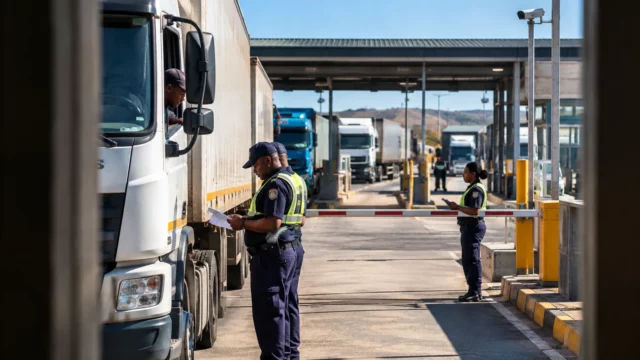
The government says it wants to enforce the Immigration Act. According to an official statement, operations carried out since 1 January 2026 had led to more than 40,000 arrests of people described as being in the country irregularly. This figure refers to arrests, not necessarily an equal number of deportations: the two categories should not be confused. In a separate update, the authorities said 18,816 people had been formally deported between 1 April and 31 July.
These operations may address offences under the law, but their implementation also affects people whose status is disputed or awaiting processing. Refugees, for their part, have specific rights. In South Africa, the system relies largely on integration into communities rather than separate camps. When families flee those same communities out of fear, access to shelter and a fair procedure become immediate concerns.
Population movements add a regional dimension. Zimbabwe is a major country of origin for migrants in South Africa, but departure figures cited in public debate often combine voluntary returns, deportations and movements under pressure. Without a common definition or independent verification, claims of hundreds of thousands of departures should therefore be attributed and treated with caution.
An issue for southern Africa
South Africa is a major economic hub in the region and a member of the Southern African Development Community (SADC), which brings together neighbouring countries facing labour, family and refugee movements. A unilateral tightening of policy may displace people without eliminating the causes of their departure. It may also complicate cooperation with Zimbabwe, Mozambique and other countries in the region.
The debate thus pits two public responsibilities against each other: controlling borders and protecting people entitled to asylum, while responding to residents’ concerns about jobs and safety. The national authorities have set up an interministerial committee on migration and announced enforcement operations. It remains to be seen whether these measures will be accompanied by accessible procedures, effective protection from violence and transparent monitoring of arrests and deportations. For Durban’s refugees, the end of the camp does not yet mean an end to uncertainty.