Algeria
 Egypt
 Libya
 Morocco
 Sudan
 Tunisia
 Benin
 Burkina Faso
 Cabo Verde
 Côte d'Ivoire
 Ghana
 Guinea
 Guinea-Bissau
 Liberia
 Mali
 Mauritania
 Niger
 Senegal
 Sierra Leone
 The Gambia
 Togo
 Cameroon
 Central African Republic
 Chad
 DR Congo
 Equatorial Guinea
 Gabon
 Republic of the Congo
 São Tomé and Príncipe
 Burundi
 Comoros
 Djibouti
 Eritrea
 Ethiopia
 Kenya
 Madagascar
 Malawi
 Mauritius
 Mozambique
 Rwanda
 Seychelles
 Somalia
 South Sudan
 Tanzania
 Uganda
 Angola
 Botswana
 Eswatini
 Lesotho
 Namibia
 South Africa
 Zambia
 Zimbabwe
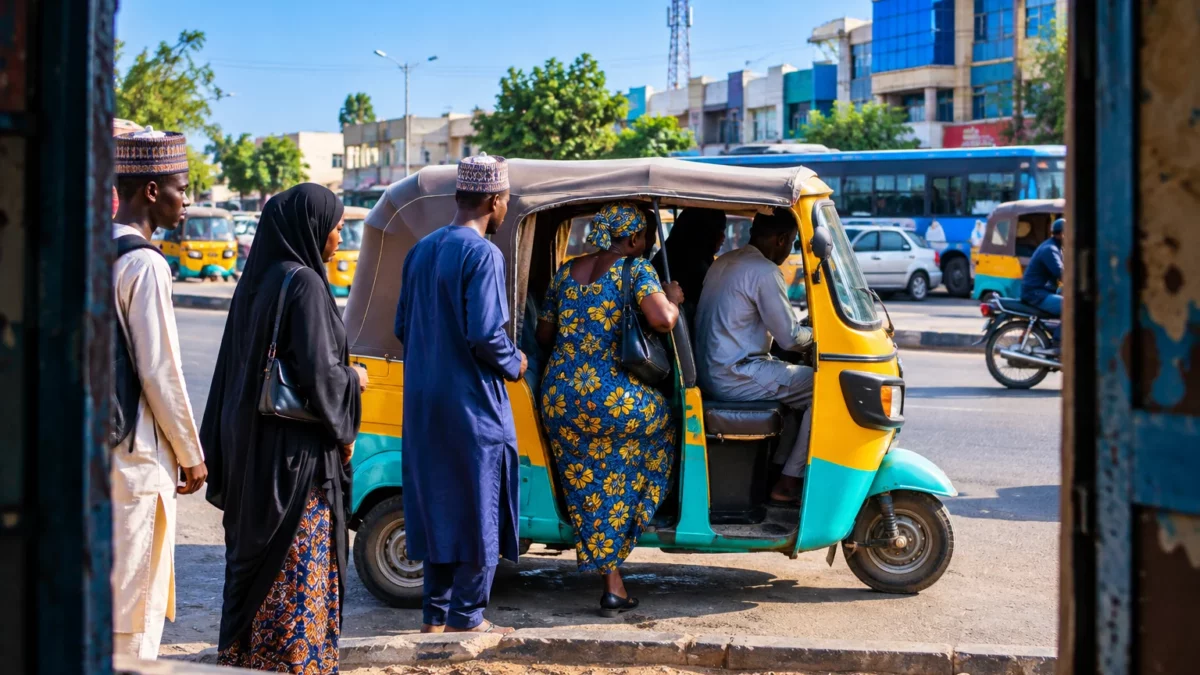
In north-east Nigeria, connecting villages to markets depends on more than the condition of the roads. Accessible transport, electricity for economic activity and funding for small businesses are also needed. A programme announced in Maiduguri is taking aim at all these factors at once, with one central question: how can the equipment be kept in service and its benefits shared among the region’s six states?
Rebuilding a region, beyond transport alone
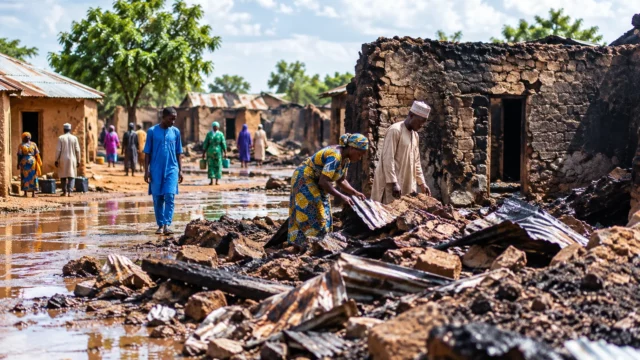
North-east Nigeria comprises Adamawa, Bauchi, Borno, Gombe, Taraba and Yobe. Since 2009, the Boko Haram insurgency and security operations have disrupted travel, agriculture and trade. Reconstruction needs also include schools, healthcare, housing and essential services.
The North-East Development Commission (NEDC) is a federal body tasked with co-ordinating interventions in the region’s states. It does not replace local governments or public services. But its projects form part of a recovery effort that remains considerable in scale: a 2016 assessment by the World Bank and its partners put reconstruction and peacebuilding needs at $6.7bn.
This trajectory also plays out in a regional context. Nigeria is a member of ECOWAS, the Economic Community of West African States. Cross-border movement, trade and security issues around the Lake Chad basin extend beyond Nigeria’s borders. Reviving transport routes in the north-east therefore also affects its neighbours.
Electric tricycles, taxis and buses announced
On 24 November 2026 in Maiduguri, Vice-President Kashim Shettima presented an electric mobility programme led by the NEDC. It comprises 10,000 tricycles, 300 taxis and 30 buses, making 10,330 vehicles in total. The federal government says charging facilities are also planned.
Before the announcement, Nigerian media reported that the commission was preparing to distribute the vehicles and holding technical discussions with transport operators, mechanics and road safety services. This preparatory work is important: the fleet’s usefulness will depend as much on maintenance and the availability of spare parts and batteries as on the number of vehicles put into service.
For residents, the immediate issue is practical. More regular services could make journeys to markets, schools and health centres easier. Farmers could also transport their harvests with fewer transfers. But the announcement does not yet specify the full distribution timetable, the routes served, fares or the rules governing access to the vehicles. It is therefore too early to assess whether transport costs will actually fall.
Energy and infrastructure: the conditions for mobility
An electric vehicle offers little if charging points are scarce or the electricity supply is unreliable. The NEDC is therefore planning, according to the federal authorities, a solar mini-grid project with a total capacity of 50 megawatts. This capacity is intended to support supplies to communities and economic activity. The system could also power charging infrastructure, but published information does not yet detail how many facilities there will be or where they will be located.
Mobility is being added to roadworks already under way. Shettima said 51 roads and 35 bridges had been built or rehabilitated by the commission. He also cited more than 100,000 solar streetlights installed under the “Light Up the North-East” programme. These figures, released at the launch, describe achievements claimed by the federal authorities; on their own, they do not indicate the service level or condition of each structure.
Access to finance is another strand. The vice-president announced approval of a 30bn naira fund, in partnership with the Bank of Industry, for young people and women entrepreneurs. For small businesses, its impact will depend in particular on eligibility criteria, repayment terms and the speed of disbursements. These details will need to be clarified to assess who will actually be able to benefit.
Success will be measured over time
Needs are not limited to infrastructure. Displaced people, the communities hosting them and rural residents do not necessarily have the same priorities or equal access to new services. A transport route that is useful in Maiduguri will not automatically address the difficulties faced by a remote village. The geographical distribution of vehicles and mini-grids will therefore be crucial.
The NEDC is also pursuing work in education, health, housing and agriculture. This multi-sectoral approach is consistent with the 2016 reconstruction assessment, which identified major needs across several fields, particularly housing, agriculture and education. The recent announcements alone do not, however, show that these long-term needs are being met.
At a West African level, the programme illustrates how governments are seeking to combine public transport, solar energy and the revival of economic activity. But it also raises practical questions: who will operate the vehicles, who will fund their maintenance, and how will local authorities take part in decisions? The next step to watch will be the actual launch of services, with verifiable information on beneficiaries, routes, costs and equipment availability.