Algeria
 Egypt
 Libya
 Morocco
 Sudan
 Tunisia
 Benin
 Burkina Faso
 Cabo Verde
 Côte d'Ivoire
 Ghana
 Guinea
 Guinea-Bissau
 Liberia
 Mali
 Mauritania
 Niger
 Nigeria
 Senegal
 Sierra Leone
 The Gambia
 Togo
 Cameroon
 Central African Republic
 Chad
 DR Congo
 Equatorial Guinea
 Gabon
 Republic of the Congo
 São Tomé and Príncipe
 Burundi
 Comoros
 Djibouti
 Eritrea
 Ethiopia
 Kenya
 Madagascar
 Malawi
 Mauritius
 Mozambique
 Rwanda
 Seychelles
 Somalia
 South Sudan
 Tanzania
 Uganda
 Angola
 Botswana
 Eswatini
 Lesotho
 Namibia
 Zambia
 Zimbabwe
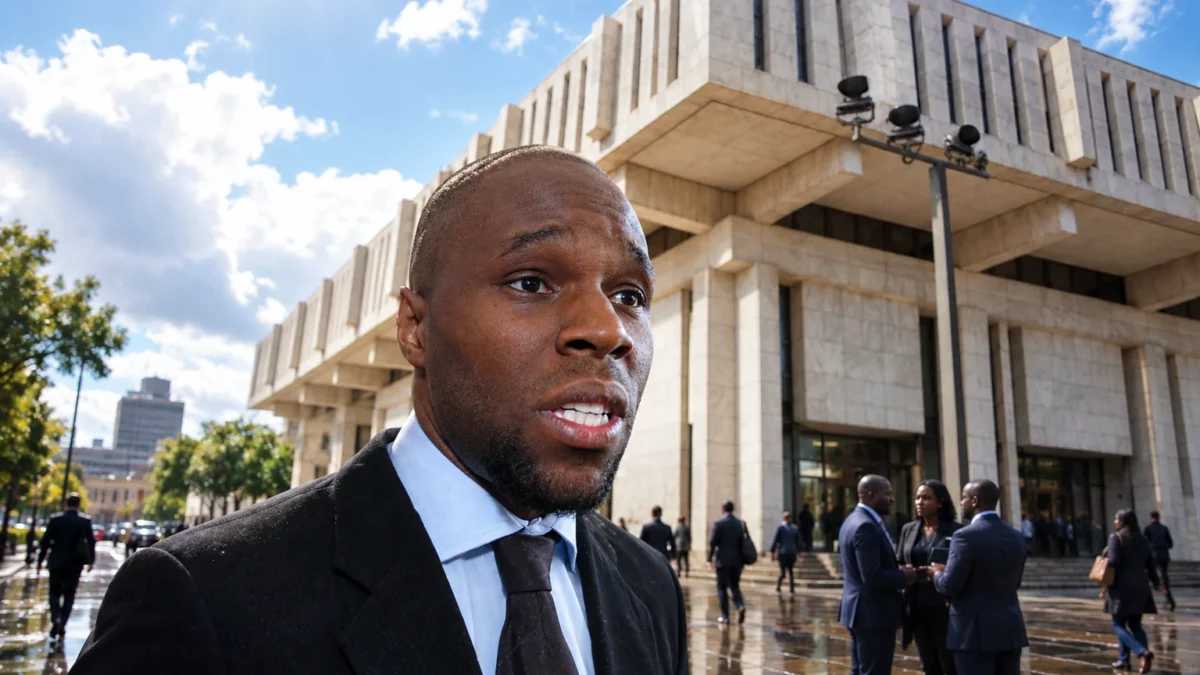
In Pretoria, the Kémi Séba case involves two distinct requirements: responding to a foreign extradition request and guaranteeing the rights of a person detained on South African soil. The latest postponement pushes back a decision, while the judicial authorities have yet to complete the steps needed to consider Benin’s request.
A case between Pretoria and Cotonou
South Africa is handling the case under its national law. An extradition request does not mean that surrender to the requesting country has already been decided: a judicial inquiry must examine the case file. South African law then gives the justice minister a role in the decision on surrender. The process can therefore involve both the courts and the executive.
The case, however, goes beyond relations between Pretoria and Cotonou. Benin is in West Africa, while South Africa is a major player in Southern Africa and a member of SADC, the Southern African Development Community. The two countries belong to different regions, but their judicial cooperation is a reminder that arrest and extradition requests can cross the continent’s borders.
Kémi Séba, whose legal name is Stellio Gilles Robert Capo Chichi, is a Beninese activist known for his pan-Africanist views. The Beninese authorities are seeking him under two international warrants. The allegations and their legal characterisation are matters for the authorities that brought them; they do not, in themselves, amount to a finding of guilt.
Postponement and tight security
On Friday 20 November 2026, Séba appeared before a court in Pretoria. Consideration of the extradition request was postponed until 3 February 2027. Prosecutors had reportedly not yet obtained the ministerial authorisation needed to advance the proceedings, according to accounts following the hearing. This was therefore not a decision on the merits of the allegations or an extradition order.
The hearing also took place under tight security. Before the proceedings, the prosecutor asked for Séba to be brought in with his ankles shackled, citing intelligence indicating a possible plan to escape from the court. The judge rejected the request. Four elite police officers, in combat gear and armed, nevertheless accompanied the detainee, according to the hearing report.
Séba’s supporters disputed the existence of an escape plan and said he had no intention of fleeing. This claim has not been established as a judicial fact in the information available. At the end of the hearing, Séba was returned to detention. The prosecutor’s allegation and his associates’ response must therefore remain clearly distinguished.
The prosecutor also raised the possibility of transferring the case to the High Court, a higher court, with the possibility of new charges related to money laundering and terrorist or associated activities. At this stage, this is an intention announced by prosecutors, not a charge confirmed as having been brought. The defence, for its part, continues to seek bail.
Time in court has real consequences
For Séba, the postponements prolong his detention and uncertainty over where he will stand trial. For the Beninese authorities, the challenge is to have their request considered by South African institutions. For Pretoria, the case requires it to handle the request under its own rules, without conflating arrest, judicial consideration and the final decision on surrender.
The distinction matters. Under South Africa’s Extradition Act, an inquiry hearing may lead a magistrate to decide whether a person is liable to be surrendered and, where applicable, to keep them in detention pending a ministerial decision. The process also allows for appeals. A postponement therefore does not prejudge the outcome, but it has immediate consequences for someone who remains in prison.
The case’s timeline forms part of a series of legal proceedings since Séba’s arrest in South Africa in April 2026. Initial public reports distinguished South African proceedings related to his immigration status from Benin’s requests for his extradition. These strands must not be conflated: local proceedings can continue even if extradition has not yet been authorised.
Repeated postponements also raise questions of trust. An extradition process concerns alleged offences, but it also engages fair-trial safeguards and the oversight of the courts in the requested country. For audiences in Benin, South Africa and the diaspora following the case, transparency about the reasons for postponements and the next steps matters as much as the date of the next hearing.
A case to follow beyond borders
The 3 February 2027 hearing will be a procedural milestone, not necessarily the end of the case. Points to watch include the ministerial authorisation said to be outstanding, any decision to refer the case to the High Court, consideration of the bail application and what follows from the allegations raised by prosecutors. At each stage, statements by the parties will need to be distinguished from decisions handed down by judges.
The case also illustrates a continental reality: the movement of people and circulation of judicial warrants link different national systems. SADC can organise regional cooperation in Southern Africa, but the request in this case also concerns a West African state. South African law, applied by its institutions in Pretoria, will therefore determine the immediate next steps.