
 Algeria
 Egypt
 Libya
 Morocco
 Sudan
 Tunisia
 Benin
 Burkina Faso
 Cabo Verde
 Côte d'Ivoire
 Ghana
 Guinea
 Guinea-Bissau
 Liberia
 Mali
 Mauritania
 Niger
 Senegal
 Sierra Leone
 The Gambia
 Togo
 Cameroon
 Central African Republic
 Chad
 DR Congo
 Equatorial Guinea
 Gabon
 Republic of the Congo
 São Tomé and Príncipe
 Burundi
 Comoros
 Djibouti
 Eritrea
 Ethiopia
 Kenya
 Madagascar
 Malawi
 Mauritius
 Mozambique
 Rwanda
 Seychelles
 Somalia
 South Sudan
 Tanzania
 Uganda
 Angola
 Botswana
 Eswatini
 Lesotho
 Namibia
 South Africa
 Zambia
 Zimbabwe
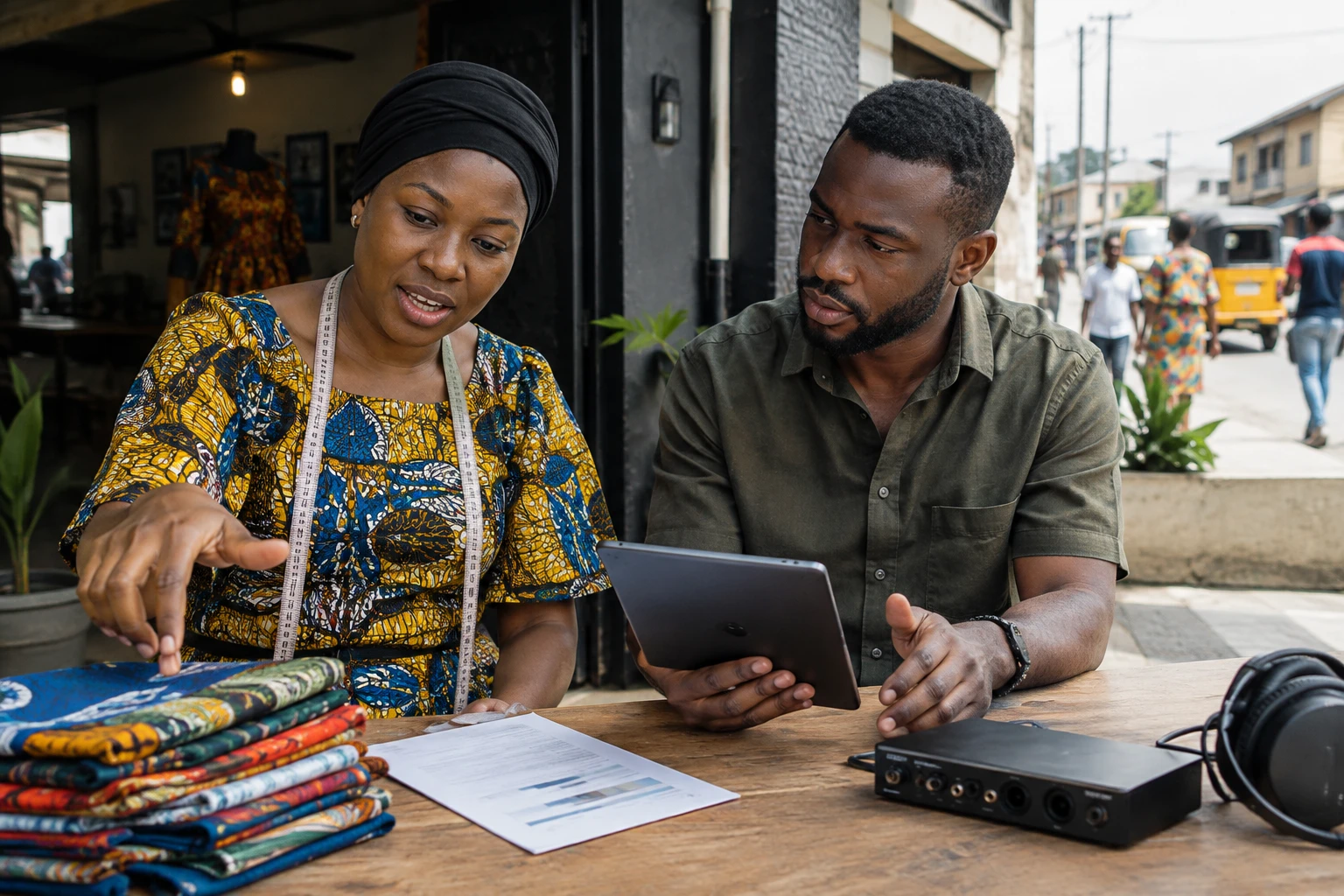
A fashion business in Lagos, a film studio or a music label may have orders but lack the cash flow needed to fulfil them. In Nigeria, a new $75m facility promises to expand credit for small businesses. The question is on what terms the money will reach producers.
Financing channelled through partner banks
The facility was announced on 11 November 2026, after Afreximbank and the Development Bank of Nigeria (DBN) signed an agreement. The ceremony took place in Lagos during CANEX WKND, an event dedicated to the creative industries, held from 5 to 8 November. Two Nigerian media outlets, Channels Television and Voice of Nigeria, reported the amount and broad terms.
The $75m is intended for DBN, a development bank that finances small businesses through partner financial institutions. This means businesses will not automatically receive direct support from Afreximbank: they will have to apply through participating institutions and meet their lending criteria.
The facility is intended to cover working capital needs, the purchase of equipment and other productive assets, as well as pre- and post-export operations. It also targets supply-chain activities. Businesses in fashion, film, music and design are among the intended beneficiaries, but the facility applies more broadly to eligible Nigerian SMEs.
Available announcements do not specify interest rates, loan terms or the disbursement schedule. Nor do they state what share would go to creative businesses. This is therefore a financing commitment, not confirmation that SMEs have already received the funds.
The challenge of turning an order into sustainable business
For a small business, access to credit can determine its ability to buy equipment, pay a team or fulfil an order for another market on time. In the creative sectors, revenues are sometimes irregular and assets difficult for lenders to assess. Intellectual property — the rights associated with a work, brand or recording — can also be complex to protect and value.
The agreement therefore includes a support component. Afreximbank and DBN have announced training for participating financial institutions to strengthen their capacity to assess export-oriented SMEs. Businesses are also to receive export-readiness support and access to trade platforms and networks connecting them with buyers.
This component matters as much as the announced amount. Financing can support production, but it guarantees neither the signing of contracts, nor payment of invoices, nor better remuneration for creators. Access conditions, the distribution of loans across sectors and partner banks’ ability to assess small businesses will be decisive. These details have not yet been made public.
Nigeria already has domestic instruments to develop these activities. The federal government has launched a fund for the creative and cultural industries, while DBN provides financing for small businesses. The new facility adds to these instruments; on its own, it does not show how many businesses will actually receive financing.
Opportunities beyond the Nigerian market
Afreximbank places the agreement within its Creative Africa Nexus, or CANEX, programme, which focuses on financing, skills and opportunities for Africa’s creative industries. In 2024, the bank announced a $2bn allocation for the programme over three years. The facility for DBN is financing for Nigeria within this broader framework, not a fund reserved exclusively for creators.
The regional stakes also involve the movement of creative goods and services. The Economic Community of West African States (ECOWAS) brings countries in the region together around economic co-operation. At continental level, the African Continental Free Trade Area (AfCFTA) aims to facilitate trade between African countries. For SMEs, these frameworks open up markets only if they can produce regularly, comply with trade rules and find partners.
Businesses in Lagos are not the only ones concerned. SMEs based in other cities and regions will also depend on the presence of partner institutions and their ability to process small applications. The tangible outcome will therefore be judged by the diversity of beneficiaries, the amounts actually lent and the opportunities secured, rather than by the sum signed alone.
For Nigeria and its West African neighbours, the next indicator will be implementation: publication of the criteria, opening of applications and confirmation of the first loans. It is at that stage that the agreement can be assessed as a business-financing tool, beyond its announcement at a regional forum.



