Algeria
 Egypt
 Libya
 Morocco
 Sudan
 Tunisia
 Benin
 Burkina Faso
 Cabo Verde
 Côte d'Ivoire
 Ghana
 Guinea
 Guinea-Bissau
 Liberia
 Mali
 Mauritania
 Niger
 Nigeria
 Senegal
 Sierra Leone
 The Gambia
 Togo
 Central African Republic
 Chad
 DR Congo
 Equatorial Guinea
 Gabon
 Republic of the Congo
 São Tomé and Príncipe
 Burundi
 Comoros
 Djibouti
 Eritrea
 Ethiopia
 Kenya
 Madagascar
 Malawi
 Mauritius
 Mozambique
 Rwanda
 Seychelles
 Somalia
 South Sudan
 Tanzania
 Uganda
 Angola
 Botswana
 Eswatini
 Lesotho
 Namibia
 South Africa
 Zambia
 Zimbabwe
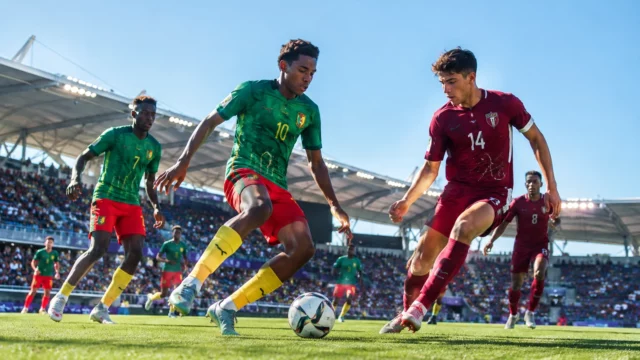
Two matches against the same opponent within a few days: the 2027 Africa Cup of Nations qualifiers face their first test of consistency. For the favourites, winning both matches can open up a gap. For their rivals, a win or even two draws could reignite the race.
From 12 to 17 November 2026, national teams will play the third and fourth rounds of the qualifiers. This window marks the halfway point of a group stage that will end in March 2027. It involves 48 teams split into twelve groups. The three host countries — Kenya, Tanzania and Uganda — have already qualified for the finals. The schedule for the third and fourth rounds published by CAF has also been reported by the Ivorian Press Agency.
A double-header that could reshuffle the pack
The format is simple: each team plays the same opponent twice, once at home and once away. The results will not qualify anyone on their own. But they could create a significant gap before the final two rounds, scheduled for 22 to 30 March 2027.
In most groups, the top two teams will qualify. There is an exception for groups containing a host country: those three teams qualify automatically, and only the best remaining team in the group will join them. This rule makes some clashes particularly tight, especially in the groups involving Kenya, Uganda and Tanzania.
The initial schedule sets out matches from 9 to 17 November. However, the fixtures highlighted here begin on Thursday 12 November. The times below are given in GMT, as in CAF’s schedule. The distance between the two countries, recovery time and travel conditions will also weigh on this tight run of fixtures.
Key fixtures from the Sahel to East Africa
In Group C, Côte d’Ivoire host Gambia on 12 November before travelling there on the 17th. Both teams made a strong start to their campaigns, according to CAF. The head-to-head could therefore have a bearing on the top of the group. Côte d’Ivoire will aim to make the most of the first match at home. For Gambia, picking up points away could confirm their strong start.
Group J features another closely watched clash: Senegal-Sudan on 12 November, followed by Sudan-Senegal on the 16th. The Lions of Teranga will first play in front of their home crowd in Dakar. The return fixture will shift the pressure. In a group where every point counts, the two matches will give a clearer indication of the teams’ ability to maintain their pace over time.
In Group K, Mali host Rwanda on 13 November before playing in Kigali on the 17th. The double-header brings together two teams that CAF has named among those to have made a convincing start to the campaign. The return match in Rwanda could alter the balance of the group if the first leg does not separate the teams.
Cameroon and Namibia meet in Group G: the Indomitable Lions play at home on 12 November before travelling to Namibia on the 16th. Group D, meanwhile, sees South Africa face Kenya, with the first match scheduled for 13 November. Kenya have already qualified as hosts. For South Africa, points remain vital as they target the group’s only available qualifying place for another team.
Stakes that go beyond the favourites
Attention often focuses on the major national teams, but the group format also gives less-fancied sides a chance. Gambia, Rwanda and Guinea-Bissau could turn a good start into a genuine qualification campaign. Conversely, a favourite that drops points over these two rounds will have less room for manoeuvre in March.
The format of closely spaced matches rewards squad depth, not just the talent of the starting line-up. Coaches must manage fatigue, injuries and international travel. Clubs, which release their players during the FIFA window, are also affected by the fixture load. For supporters, the home match offers an immediate occasion; for those following their team from afar, the result of the return leg can matter as much as the initial performance.
This edition will take place in East Africa. Kenya, Tanzania and Uganda will jointly host the finals, scheduled for 19 June to 17 July 2027. This joint hosting gives particular importance to the groups featuring the hosts: their automatic qualification changes the number of places still available. CAF has split the 48 teams into twelve groups of four, according to its official qualifying schedule.
At the end of this November window, the standings will offer a solid first picture of the race, without settling it. The final two rounds will be played in March 2027. Until then, teams will have to turn their chances into points and manage a shared challenge: staying in contention until the end, even when the schedule requires two away trips or two matches in quick succession.