Algeria
 Egypt
 Libya
 Morocco
 Sudan
 Tunisia
 Benin
 Burkina Faso
 Cabo Verde
 Côte d'Ivoire
 Ghana
 Guinea
 Guinea-Bissau
 Liberia
 Mali
 Mauritania
 Niger
 Nigeria
 Senegal
 Sierra Leone
 The Gambia
 Togo
 Cameroon
 Central African Republic
 Chad
 DR Congo
 Equatorial Guinea
 Gabon
 Republic of the Congo
 São Tomé and Príncipe
 Burundi
 Comoros
 Djibouti
 Eritrea
 Ethiopia
 Kenya
 Madagascar
 Malawi
 Mauritius
 Mozambique
 Rwanda
 Seychelles
 Somalia
 South Sudan
 Tanzania
 Uganda
 Angola
 Botswana
 Eswatini
 Lesotho
 Namibia
 Zambia
 Zimbabwe
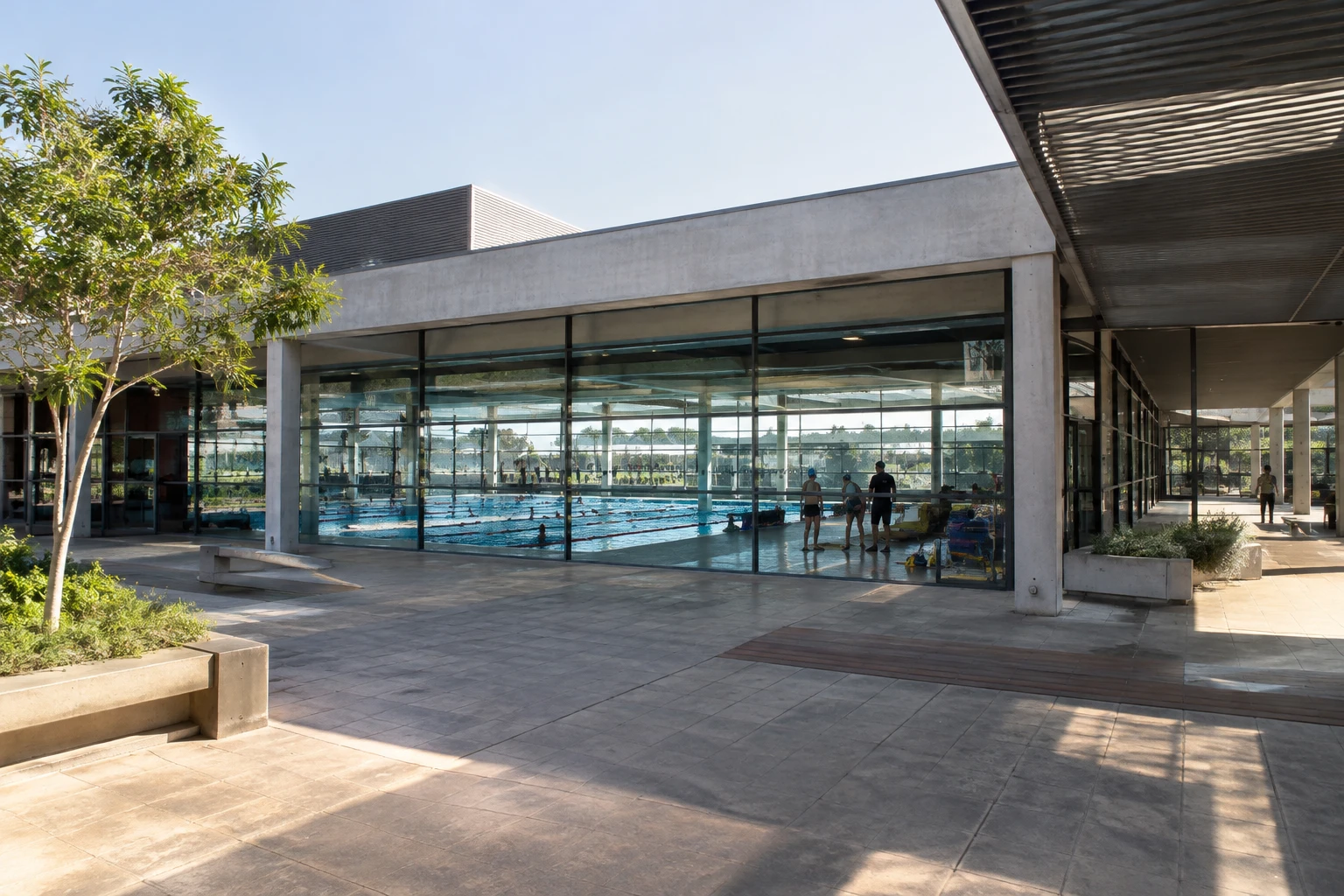
Can a swimmer change her flag without disowning the country that carried her to the top? For Tatjana Smith, the answer lies in a path with two roots: South Africa remains her home base, while the Netherlands is now her team in international competition.
A return to competition, then a new direction
On 10 November 2026, the Dutch swimming federation announced that the champion would henceforth represent the Netherlands. World Aquatics, the international governing body for swimming, also lists the athlete under Dutch sporting nationality. The change concerns competition, not a renunciation of her South African citizenship. Smith holds both nationalities.
After the Paris Olympics in 2024, the swimmer announced her retirement. She reversed her decision this year. In late September, she returned to competition at the South African short-course championships in Pietermaritzburg. In October, at the Dutch trials in Rotterdam, she won all three breaststroke events: the 50m, 100m and 200m.
Her first international competition in Dutch colours is scheduled to be the short-course world championships in Beijing, from 1 to 6 December 2026. Her stated goal remains the 2028 Los Angeles Olympics. She will continue training in South Africa with the team that has supported her until now, according to information released with the announcement.
Born Tatjana Schoenmaker in 1997, she is the daughter of a South African mother and a Dutch father. She has said that both countries are part of her identity. The change does not erase the years she swam for South Africa, or the ties she has maintained with her coaches and team-mates.
A record still written into South African history
At Tokyo in 2021, Smith won gold in the 200m breaststroke and silver in the 100m. In Paris, she took gold in the 100m and silver in the 200m. Her four Olympic medals — two gold and two silver — make her one of the leading figures in South African sport. She shares that tally with swimmer Chad le Clos, who also has four Olympic medals.
Changing sporting nationality does not remove these results from South Africa’s record. They were achieved in its colours, at the Tokyo and Paris Games. The distinction matters: sporting nationality determines which country an athlete represents in the competitions concerned, but does not rewrite her past record or history.
The decision also follows a period without official competition between Paris and her return in 2026. That break makes her return to the sport notable in itself. In Rotterdam, her victories confirmed that she was back in the elite pool. But joining the Dutch team raises another question: what training arrangements and support will enable her to prepare for the next stage of her career?
The debate over resources for elite sport
Smith has spoken about the financial and practical difficulties that can weigh on a swimmer’s career. She has also said she is looking for an environment where athletes can thrive, rather than simply endure. Those remarks shed light on her personal choice. However, they are not, on their own, enough to provide a full assessment of funding for South African swimming or of the conditions offered by the two federations.
The contrast is nevertheless worth noting. The champion plans to remain based in South Africa and train with her local team, while joining the Netherlands for international competitions and training camps. This is therefore not a complete departure from South Africa’s sporting ecosystem. The expertise she has gained from her South African coaches will continue to be part of her preparation.
For the federations, this arrangement raises practical questions about training coordination, scheduling, access to camps and the sharing of coaching responsibilities. For less decorated swimmers, the debate is broader. The conditions for funding travel and continuing a career after the Games can influence individual choices, particularly when resources and support vary from one athlete to another.
An issue watched beyond the two countries
In southern Africa, South Africa plays an important role in regional sport, including within SADC, the economic community that brings together southern African countries. Smith’s change is not, in itself, a regional issue. It does, however, renew a question familiar to federations across the continent: how can they retain talent and offer athletes sustainable careers without reducing sporting success to a country’s ability to keep its champions?
The significance of this story also goes beyond flags. Athletes’ mobility depends on their personal ties, international rules and the resources available for training. In Smith’s case, her Dutch and South African roots make the choice more complex than a break. Her path is a reminder that sporting identity can be multiple, even when competitions require athletes to represent just one nation at a time.
The next step will be visible in Beijing in December: the event will show how Smith resumes her place on the circuit in her new colours. After that, preparations for Los Angeles 2028 will make it possible to assess what the new arrangements actually change. For Pretoria and the Netherlands alike, the challenge now is to turn a change of sporting nationality into a coherent career plan, without erasing South Africa’s contribution to her journey.
Details of her change of sporting nationality, schedule and record have been confirmed by the Dutch swimming federation, World Aquatics and South African media, including Sowetan and East Coast Radio.