Algeria
 Egypt
 Libya
 Morocco
 Tunisia
 Benin
 Burkina Faso
 Cabo Verde
 Côte d'Ivoire
 Ghana
 Guinea
 Guinea-Bissau
 Liberia
 Mali
 Mauritania
 Niger
 Nigeria
 Senegal
 Sierra Leone
 The Gambia
 Togo
 Cameroon
 Central African Republic
 Chad
 DR Congo
 Equatorial Guinea
 Gabon
 Republic of the Congo
 São Tomé and Príncipe
 Burundi
 Comoros
 Djibouti
 Eritrea
 Ethiopia
 Kenya
 Madagascar
 Malawi
 Mauritius
 Mozambique
 Rwanda
 Seychelles
 Somalia
 South Sudan
 Tanzania
 Uganda
 Angola
 Botswana
 Eswatini
 Lesotho
 Namibia
 South Africa
 Zambia
 Zimbabwe
In a war that is grinding on, the departure of a commander does not automatically shift the military balance. But when it is accompanied by fighters and vehicles, it tests the cohesion of the Rapid Support Forces (RSF) and the Sudanese army’s ability to win over its adversaries.
A war whose effects extend beyond the balance of forces
Since 15 April 2023, the Sudanese army, led by General Abdel Fattah al-Burhan, has been fighting the RSF under General Mohamed Hamdan Dagalo, known as Hemetti. The war began after a power struggle and a dispute over integrating the paramilitaries into the regular army. It has fragmented the country and displaced millions of people.
Darfur, in the west, remains a strategic area. The roads linking it to Chad are used for the movement of fighters and supplies, as well as for trade and civilian travel. The region is part of a cross-border environment in which the effects of Sudan’s war are felt beyond the country’s borders.
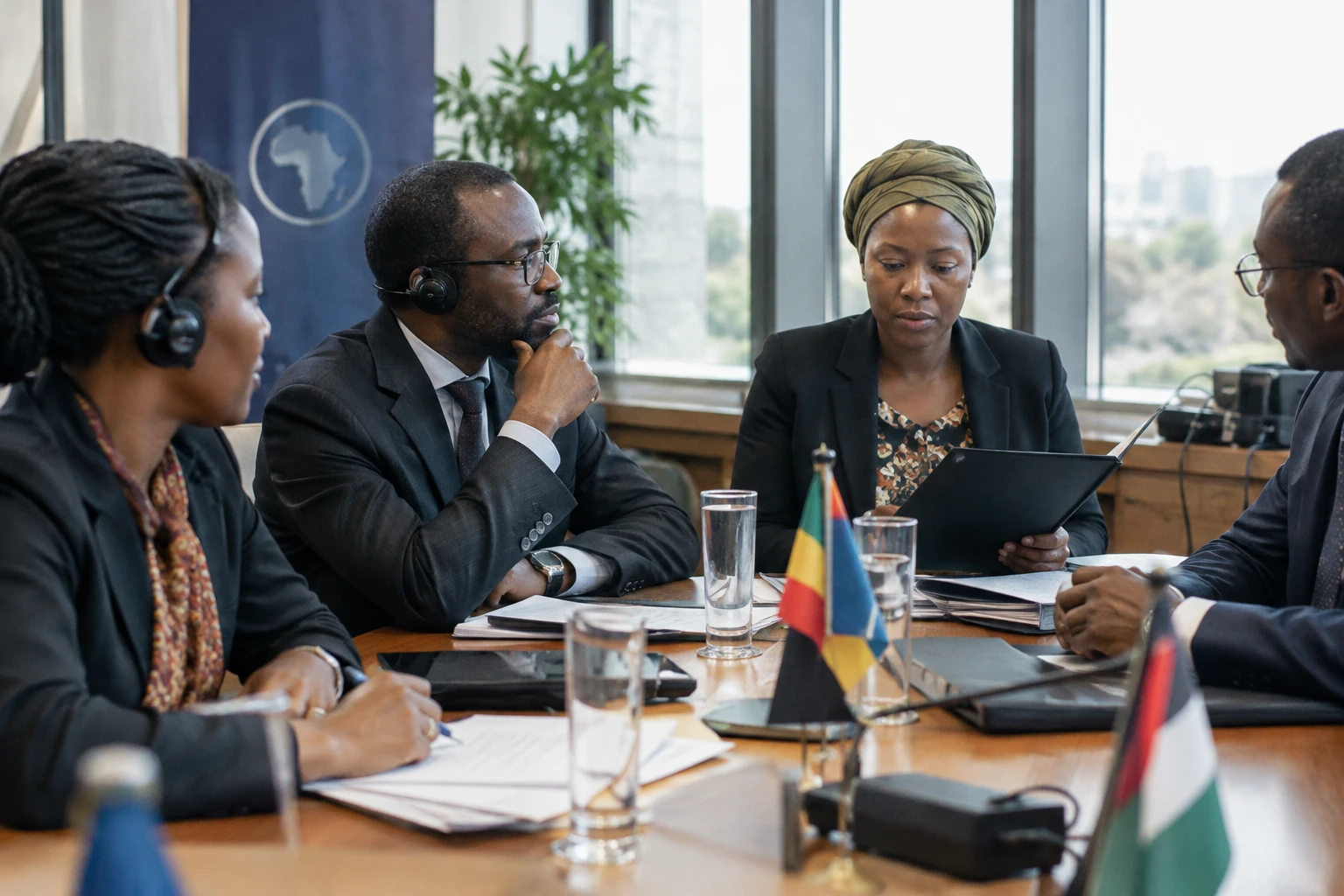
The crisis also concerns IGAD, the regional organisation for the Horn of Africa, and the African Union. Both are involved in diplomatic efforts, while the UN Human Rights Council is calling for a ceasefire and a Sudanese-led political process. The conflict has also undermined humanitarian access from Chad.
What is known about Siddiq Ander’s departure
In a video released on 30 October 2026, General Siddiq Abdelrahman Ander announced that he was leaving the RSF to join the army. Qatari broadcaster Al Jazeera reported that it had obtained the footage. In it, Ander accuses Hemetti’s associates of controlling the group’s finances, weapons, troop movements and promotions.
He says the RSF is run as a family project and that critical voices risk being excluded or imprisoned. These are allegations by a defector involved in an active conflict. They do not, in themselves, amount to independent verification of how the RSF operates internally.
The video’s content and the date of the announcement were reported by Al Jazeera. However, the figure given in the initial account — more than 200 men and around 40 vehicles — has not been corroborated by a second identified independent source. It should therefore be treated as a reported claim, not an established tally.
The defection is said to have taken place in North Darfur, near the Chadian border. The presence of this force in a transit area could have logistical significance. But without independent confirmation of its numbers, precise location and operational integration, the scale of the military impact remains uncertain.
Repeated departures, but no proven break-up
Ander’s case adds to other reported departures by RSF figures in 2026. On 8 October, Lieutenant Colonel Mohammed Azraq al-Fanjari announced that he was leaving with hundreds of fighters and vehicles, according to Al Jazeera. In April, General Al-Nour Ahmed Adam, known as Al-Qubba, had joined the army. The Associated Press reported that army chief al-Burhan had received him publicly.
Sudanese outlet Sudan Tribune reported several defections and tensions over losses, appointments and the treatment of fighters as early as May. These developments point to internal vulnerabilities, without proving that the RSF is on the verge of disintegrating. Departures can weaken a chain of command, especially if commanders take experienced fighters with them. Their impact, however, depends on their actual numbers, cohesion and ability to fight together after switching sides.
Criticism of family favouritism carries particular weight in an organisation whose leadership is closely linked to the Dagalo family. But it does not, on its own, explain the reasons for the defections. Local rivalries, losses, fighters’ living conditions and relations between the RSF and allied communities may also play a part. Analyses published by Sudan Tribune cite these factors, while drawing on observers whose assessments are not necessarily shared by both sides.
For the army, taking in defectors can provide intelligence and local contacts. It does not guarantee their lasting loyalty or a smooth integration. The precedent of Abu Aqla Kaikel, who joined the army in 2024, shows that defections are part of a war of networks as much as a confrontation between two military institutions.
Civilians remain at the centre of the consequences
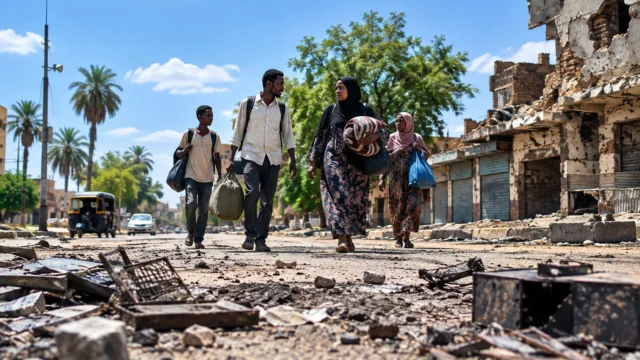
A reshuffling of forces can change the fighting near roads and towns without automatically protecting residents. In North Darfur, civilians remain exposed to displacement, access restrictions and reprisals. In Khartoum, Sudan’s capital, the consequences of the war are also evident in the destruction of services and difficulties in accessing essential resources.
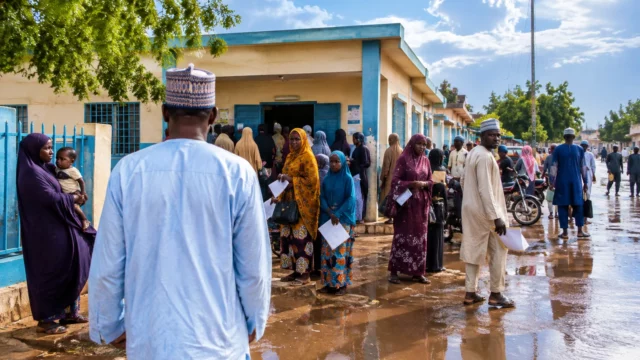
The UN Human Rights Council estimated in 2026 that more than 33 million people in Sudan needed aid and that 11.3 million were displaced within the country. It also called on all parties to respect humanitarian law and allow aid through. These figures are a reminder that announcements of defections must not overshadow the situation facing the population.
At regional level, what happens next will depend less on the reported number of defections than on whether they continue, how newcomers are received and how supply lines around Darfur evolve. For IGAD and the African Union, the challenge remains to turn changes of allegiance into a lever for de-escalation rather than a new phase of military competition. No single departure can replace a ceasefire or negotiations that include Sudanese civilian actors.