Algeria
 Egypt
 Libya
 Morocco
 Sudan
 Tunisia
 Benin
 Burkina Faso
 Cabo Verde
 Côte d'Ivoire
 Ghana
 Guinea
 Guinea-Bissau
 Liberia
 Mali
 Mauritania
 Niger
 Nigeria
 Senegal
 Sierra Leone
 The Gambia
 Cameroon
 Central African Republic
 Chad
 DR Congo
 Equatorial Guinea
 Gabon
 Republic of the Congo
 São Tomé and Príncipe
 Burundi
 Comoros
 Djibouti
 Eritrea
 Ethiopia
 Kenya
 Madagascar
 Malawi
 Mauritius
 Mozambique
 Rwanda
 Seychelles
 Somalia
 South Sudan
 Tanzania
 Uganda
 Angola
 Botswana
 Eswatini
 Lesotho
 Namibia
 South Africa
 Zambia
 Zimbabwe
For a disease that has become rare, the challenge is not simply to have a new medicine. It is also to know how to identify cases, select the patients concerned and make treatment accessible far from major healthcare centres. These are the challenges bringing health professionals together in Lomé, Togo.
A simpler treatment, but for specific patients
From 4 to 6 November 2026, the World Health Organization (WHO) is holding a French-language training course in the Togolese capital on acoziborole, a medicine for human African trypanosomiasis, or sleeping sickness. A second session, for English-speaking countries, is scheduled for 9 to 11 November. Participants from ten French-speaking countries are expected to learn how to determine which patients can receive the treatment, how to administer it and how to monitor its effects. This information has been reported by Togolese media covering the event.
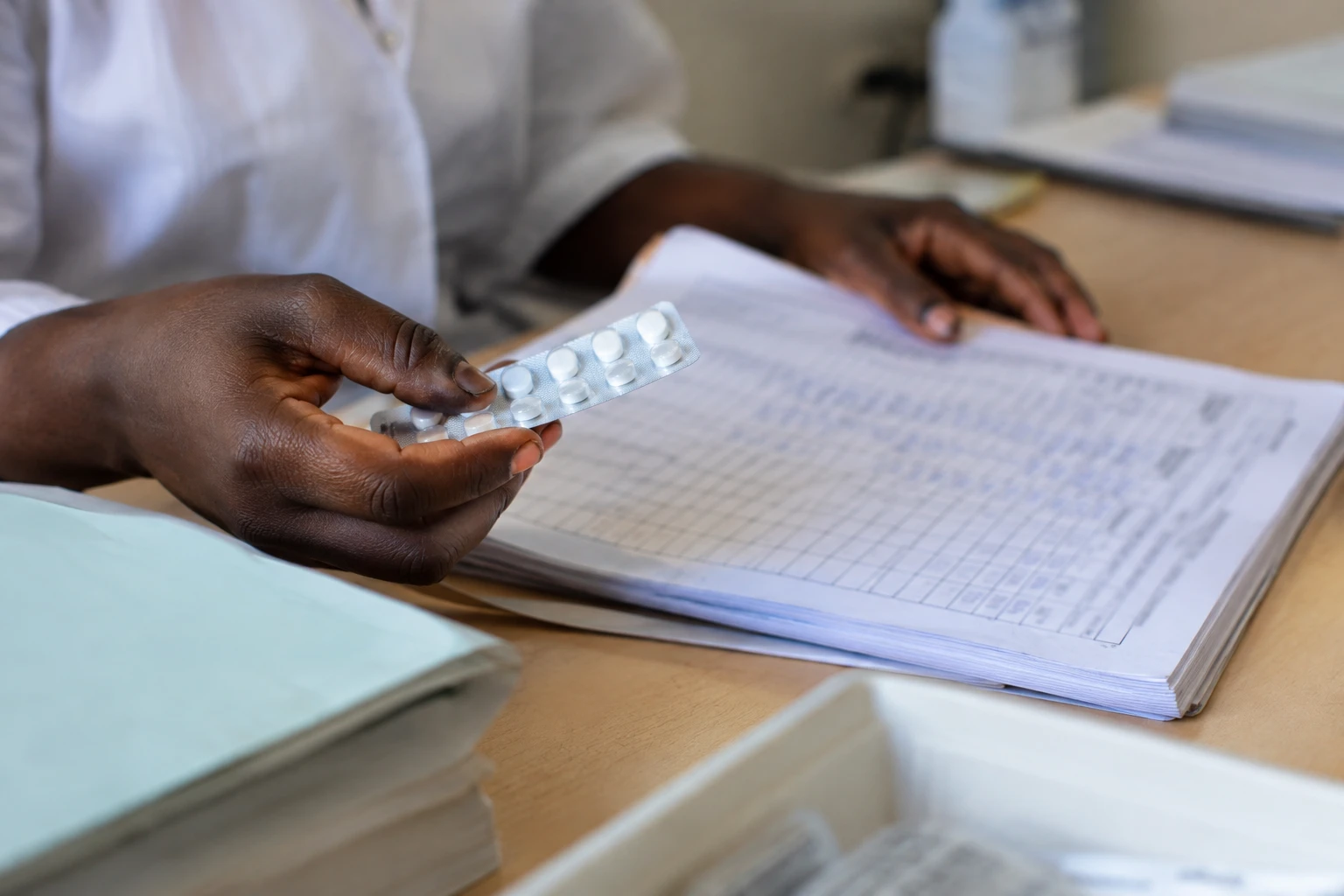
Acoziborole is taken orally as a single dose. It is intended for the gambiense form of the disease, the most widespread in West and Central Africa. According to the European Medicines Agency (EMA) assessment, it can be used in adults and adolescents aged at least 12 years who weigh at least 40 kg. Available data indicate that it can treat different stages of this form of the disease without requiring a lumbar puncture to determine the stage before treatment.
This simplification does not mean that prescribing becomes automatic. Teams must confirm the diagnosis, check eligibility criteria and provide follow-up. Pharmacovigilance — identifying and reporting adverse effects — is also part of the training. At the opening, Kokou Wotobé, secretary-general of Togo’s Ministry of Health, described the workshop as a way to prepare for the “progressive, safe and effective” introduction of the recommendations into health systems.
Togo, host country and former site of surveillance
The choice of Lomé reflects Togo’s experience. In August 2020, the WHO validated the elimination of sleeping sickness as a public health problem in Togo. This validation does not mean the risk has disappeared: it recognises that the disease has fallen below a defined threshold, while maintaining the need to monitor and quickly detect any new cases.
This progress was built on decades of surveillance and screening. The WHO said Togo had reported no cases during the ten years before its validation. It also noted that the authorities had maintained surveillance sites, including at the hospitals in Mango and Tchamba, to monitor areas considered at risk. For Togolese teams, the Lomé training therefore extends ongoing vigilance, even when cases are no longer observed in the country.
Across the region, countries face different circumstances. The gambiense form affects West and Central Africa, where screening systems, travel distances and hospital capacity vary. The decline in cases across the continent should therefore not obscure the needs of communities living in areas where the disease persists. The WHO has set a 2030 target for eliminating this form as a public health problem in the countries concerned.
Promising results, to be translated into real access
Available clinical results are encouraging, but do not remove the need for rigorous follow-up. The EMA assessment reports that after 18 months, treatment had been successful in 159 of 167 people with an advanced form, or 95.2%, and in all 41 participants with an early or intermediate form. DNDi, a non-profit research organisation that conducted the trials with national disease-control programmes in the Democratic Republic of the Congo (DRC) and Guinea, summarises the cure rate as reaching up to 96%.
The DRC approved the use of acoziborole in June 2026, following trials conducted in the country and in Guinea. This decision is an important regulatory step, but does not in itself guarantee that the treatment will be immediately available in all the countries concerned. Each national authority must consider the conditions for authorisation and supply, as well as integration into its protocols. Diagnosis and follow-up must also be organised, particularly in areas far from hospitals.
For eligible patients, a single dose could reduce travel and avoid some of the constraints associated with treatments requiring hospitalisation or invasive tests. For healthcare workers, however, the new treatment requires appropriate training and organisation. The potential benefits will therefore depend as much on the availability of the medicine as on local services’ ability to identify cases and support patients. No estimate of the expected savings is available in the information provided.
Surveillance remains the decisive link
Sleeping sickness is transmitted by the bite of an infected tsetse fly. Without treatment, it can affect the nervous system and be fatal. The WHO reported a major fall in the number of cases recorded: around 25,000 in 1995, compared with fewer than 1,000 in 2019. This decline reflects progress in screening and treatment, but reported figures alone cannot rule out undetected infections.
The Lomé training also aims to transfer skills beyond its participants: trained professionals are expected to support colleagues in their countries. This is a practical challenge for health services, where early detection often depends on staff who can recognise symptoms and refer patients. For Togo, the balance is clear: preserve the gains that led to the 2020 validation while contributing to the regional effort against a disease that does not stop at borders.
The next step will be to monitor national authorisation decisions and actual access to the medicine, particularly in countries where the gambiense form continues to circulate. Togo’s experience is a reminder that a simpler treatment can strengthen the fight, but cannot replace surveillance or trained teams.