Algeria
 Egypt
 Libya
 Morocco
 Sudan
 Tunisia
 Benin
 Burkina Faso
 Cabo Verde
 Côte d'Ivoire
 Ghana
 Guinea
 Guinea-Bissau
 Liberia
 Mali
 Mauritania
 Niger
 Nigeria
 Senegal
 Sierra Leone
 The Gambia
 Togo
 Cameroon
 Central African Republic
 Chad
 DR Congo
 Equatorial Guinea
 Gabon
 Republic of the Congo
 São Tomé and Príncipe
 Burundi
 Comoros
 Djibouti
 Eritrea
 Ethiopia
 Kenya
 Madagascar
 Malawi
 Mauritius
 Mozambique
 Rwanda
 Seychelles
 Somalia
 South Sudan
 Uganda
 Angola
 Botswana
 Eswatini
 Lesotho
 Namibia
 South Africa
 Zambia
 Zimbabwe
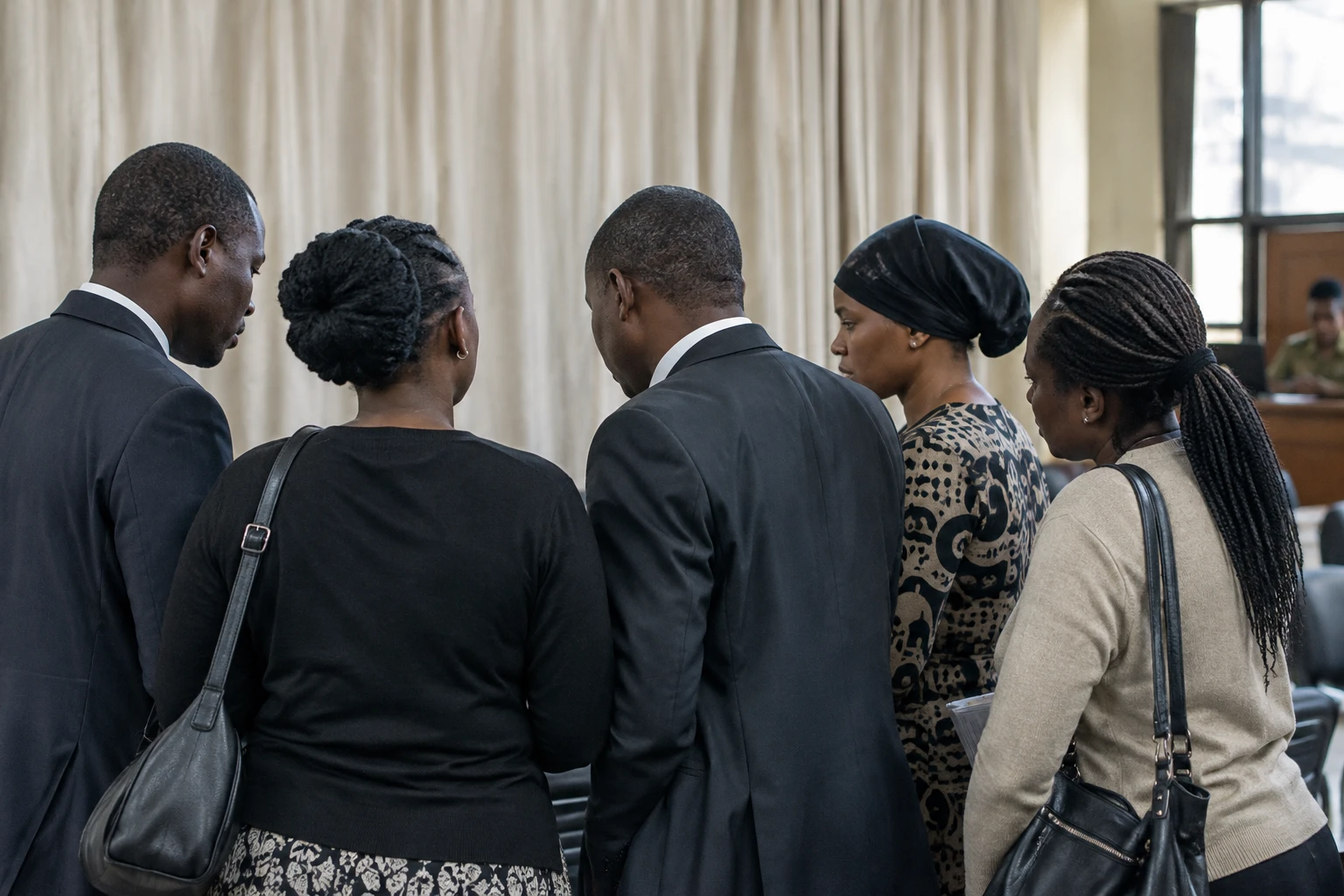
In Dar es Salaam, the expected verdict in Tundu Lissu’s trial raises a question that goes beyond the fate of an opposition leader: how far can the justice system distinguish political dissent from a threat to the state? On 6 November 2026, the High Court is due to deliver its decision in a case closely followed by his family and Tanzanians.
A trial at the heart of a tense election year
Tanzania approaches this moment after a particularly contested period in politics. CHADEMA, the main opposition party, did not take part in the general election on 29 October 2025. The party had refused to sign the electoral code of conduct, demanding reforms. In its preliminary statement, the African Union said the poll had lacked competitiveness and called for constitutional reforms and a more inclusive political environment.
This regional assessment is not a judgement on Lissu’s trial. It does, however, shed light on the climate in which Tanzania’s institutions are being observed. Tanzania is a member of the East African Community (EAC), which brings together several countries in the region and promotes their political and economic cooperation. National tensions therefore have implications beyond Dodoma and Dar es Salaam.
The election period was also marked by protests and security operations. The African Commission on Human and Peoples’ Rights expressed concern over unrest reported after the poll. Casualty figures published at the time varied and remain attributed to their sources; they do not support presenting a single figure as definitively established.
Justice must rule on a treason charge
Tundu Lissu, CHADEMA’s national chairman and a trained lawyer, was arrested on 9 April 2025 in Mbinga, in the Ruvuma region. The following day, he was charged with treason. The charge concerns remarks made on 3 April, which prosecutors interpret as a call to prevent the 2025 election and incite a rebellion.
Lissu acknowledges making the disputed remarks but rejects the prosecution’s interpretation. He argues that they constituted legitimate political speech. The defence has sought his acquittal; prosecutors, for their part, say the testimony presented establishes guilt beyond reasonable doubt. These remain the positions of the parties: only the Court’s decision will determine the legal outcome.
The trial was heard by a three-judge panel of the High Court at its registry in Dar es Salaam. The judgement, scheduled for Friday 6 November 2026, brings to a close proceedings lasting more than a year. Treason is an offence for which bail is not available in Tanzania. The potential sentence and its interpretation were also debated during closing arguments.
The opposition leader’s family plans to attend the hearing. His brother Vincent Lissu told journalists that Tundu Lissu had seemed optimistic and confident when they last met. He also described the trial as “purely political” and said he hoped his brother would be released. This is the view of a relative, not a judicial conclusion.
The family is also in mourning. The opposition leader’s elder brother died earlier in the week, and the funeral was postponed so relatives could attend the hearing. This decision gives the day a personal dimension, without changing the question the judges must consider: does the evidence presented meet the legal criteria for the charge?
A verdict with wider political implications
In central Dar es Salaam, police have stepped up security around the court. The authorities have warned that they will not tolerate any disruption of public order. These measures should be reported as security facts; they do not, by themselves, prove that a protest or disturbance is imminent.
For the government, the immediate issue is the enforcement of the law and the maintenance of public order. For CHADEMA and other political actors, the case also concerns the ability to challenge government policy and the conduct of an election. For the public, the consequences are tangible: the space allowed for meetings, public statements and opposition activity shapes political life long after a trial ends.
The decision will also be scrutinised across the region. After the 2025 elections, the African Union called for reforms and more inclusive political participation. What happens next will therefore depend not only on the verdict, but also on how the authorities, CHADEMA and the institutions respond to its consequences.
As the Court prepares to deliver its decision, no outcome has yet been established in the available information. The point to watch is now clear: the judges’ reasoning and, in the event of a conviction, the sentence imposed. The decision will be an important test of trust in Tanzania’s institutions, without in itself summing up the country’s political future.