
 Algeria
 Egypt
 Libya
 Morocco
 Sudan
 Tunisia
 Benin
 Burkina Faso
 Cabo Verde
 Côte d'Ivoire
 Ghana
 Guinea
 Guinea-Bissau
 Liberia
 Mali
 Mauritania
 Niger
 Nigeria
 Senegal
 Sierra Leone
 The Gambia
 Togo
 Cameroon
 Central African Republic
 Chad
 DR Congo
 Equatorial Guinea
 Gabon
 Republic of the Congo
 São Tomé and Príncipe
 Burundi
 Comoros
 Djibouti
 Eritrea
 Kenya
 Madagascar
 Malawi
 Mauritius
 Mozambique
 Rwanda
 Seychelles
 Somalia
 South Sudan
 Tanzania
 Uganda
 Angola
 Botswana
 Eswatini
 Lesotho
 Namibia
 South Africa
 Zambia
 Zimbabwe
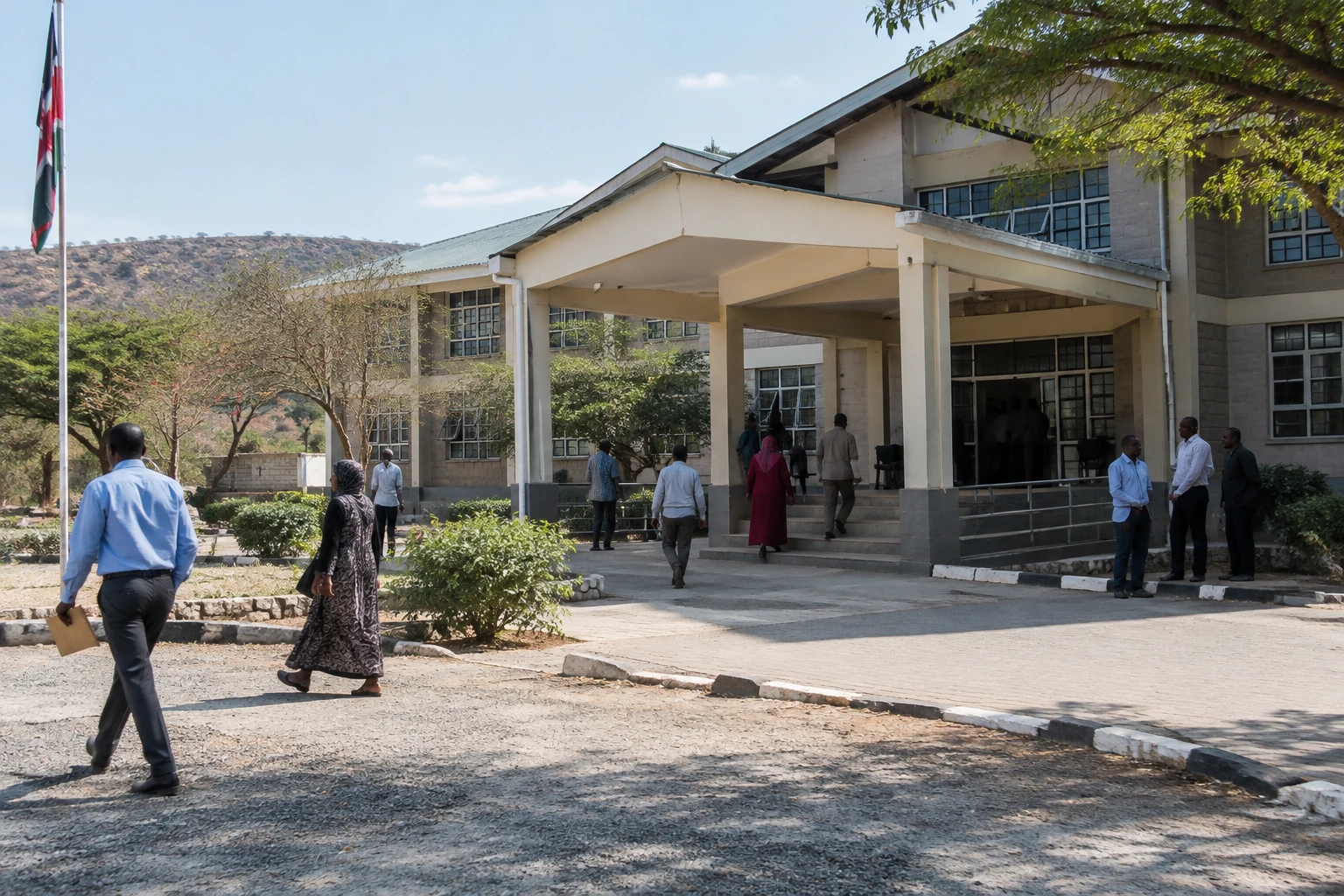
In Moyale, the border between Kenya and Ethiopia has become a refuge for tens of thousands of people. But the rapid arrival of displaced families is also testing services and host communities in Kenya’s Marsabit County.
A border crossed by local conflict
Moyale lies on both sides of the border between the two countries. On the Ethiopian side, the town is located in an area disputed between the Somali and Oromia administrative regions. Tensions between Somali and Oromo groups have already caused displacement there. Disputes over administrative boundaries and their control fuel local rivalries, but do not on their own explain the causes of the clashes.
Kenya and Ethiopia are neighbours and members of the Intergovernmental Authority on Development (IGAD), a regional organisation that works, among other things, on peace and population displacement in the Horn of Africa. For Nairobi, the challenge is immediate: protecting civilians crossing the border while preventing the fighting from spilling into its territory.
Estimates changing rapidly
Clashes resumed from 18 October 2026 in the Moyale region, according to reports published by Kenyan and international media. The first humanitarian counts put the number of people who had arrived in Kenya at around 36,600: some 11,000 staying in temporary sites and 25,600 hosted by families or local communities.
The figure subsequently rose. At the end of October, the United Nations High Commissioner for Refugees (UNHCR) reported, citing information from local authorities, that around 50,000 people were believed to have crossed the border. This remains an estimate: some families are living outside camps, making them harder to count. The Kenya News Agency separately reported that around 40,000 people had arrived in Marsabit County by 29 October.
These figures therefore do not necessarily refer to the same point in time or the same area. They nevertheless indicate a rapid rise in arrivals and the difficulty of keeping an accurate count in an area where displaced people are spread across collective sites and host households.
The Kenya Red Cross reported that gunfire had reached Kenyan territory. The reported toll in the available information — three dead and 20 injured — could not be confirmed by a second independent source. It must therefore remain attributed to the organisation and cannot be presented here as a definitively established toll.
Needs extending beyond reception sites
Some of the new arrivals, particularly women and children, are staying in temporary locations, including schools. Others are being hosted by residents of Moyale and nearby areas. This local solidarity helps prevent all the families from ending up in camps, but puts pressure on resources that are already limited: housing, water, food, healthcare and schooling.
The situation is not evenly distributed. Families staying in collective sites may be easier for humanitarian teams to identify. Those living with relatives or local residents, by contrast, risk being less visible in assessments and aid distributions. Marsabit residents, meanwhile, have to share essential services with new arrivals, despite not being responsible for the violence that forced them to flee.
The priority is therefore twofold: meeting the immediate needs of displaced people and maintaining host communities’ access to basic services. Kenyan authorities and humanitarian organisations must also monitor population movements, as the number of people who have crossed the border remains uncertain.
A bilateral and regional challenge
The fighting in Moyale is a reminder that local tensions can have direct consequences on the other side of a national border. Families fleeing are first and foremost seeking a safe place. For Kenya, receiving them involves both a humanitarian response and security vigilance, particularly after reports of gunfire on its territory.
The situation is also testing relations between Nairobi and Addis Ababa, as well as IGAD’s ability to support de-escalation efforts. The regional organisation does not replace the Ethiopian authorities, but the cross-border nature of the displacement calls for coordination between the two countries and humanitarian actors.
In the short term, key developments to watch are the course of the fighting, verification of displacement estimates and the ability of reception sites and host communities to meet needs. As long as the fighting continues and relatives remain separated, a safe return cannot be taken for granted. The available figures describe a shifting emergency, not a final tally.



