
 Algeria
 Egypt
 Libya
 Morocco
 Sudan
 Tunisia
 Benin
 Burkina Faso
 Cabo Verde
 Côte d'Ivoire
 Ghana
 Guinea
 Guinea-Bissau
 Liberia
 Mali
 Mauritania
 Niger
 Senegal
 Sierra Leone
 The Gambia
 Togo
 Cameroon
 Central African Republic
 Chad
 DR Congo
 Equatorial Guinea
 Gabon
 Republic of the Congo
 São Tomé and Príncipe
 Burundi
 Comoros
 Djibouti
 Eritrea
 Ethiopia
 Kenya
 Madagascar
 Malawi
 Mauritius
 Mozambique
 Rwanda
 Seychelles
 Somalia
 South Sudan
 Tanzania
 Uganda
 Angola
 Botswana
 Eswatini
 Lesotho
 Namibia
 South Africa
 Zambia
 Zimbabwe
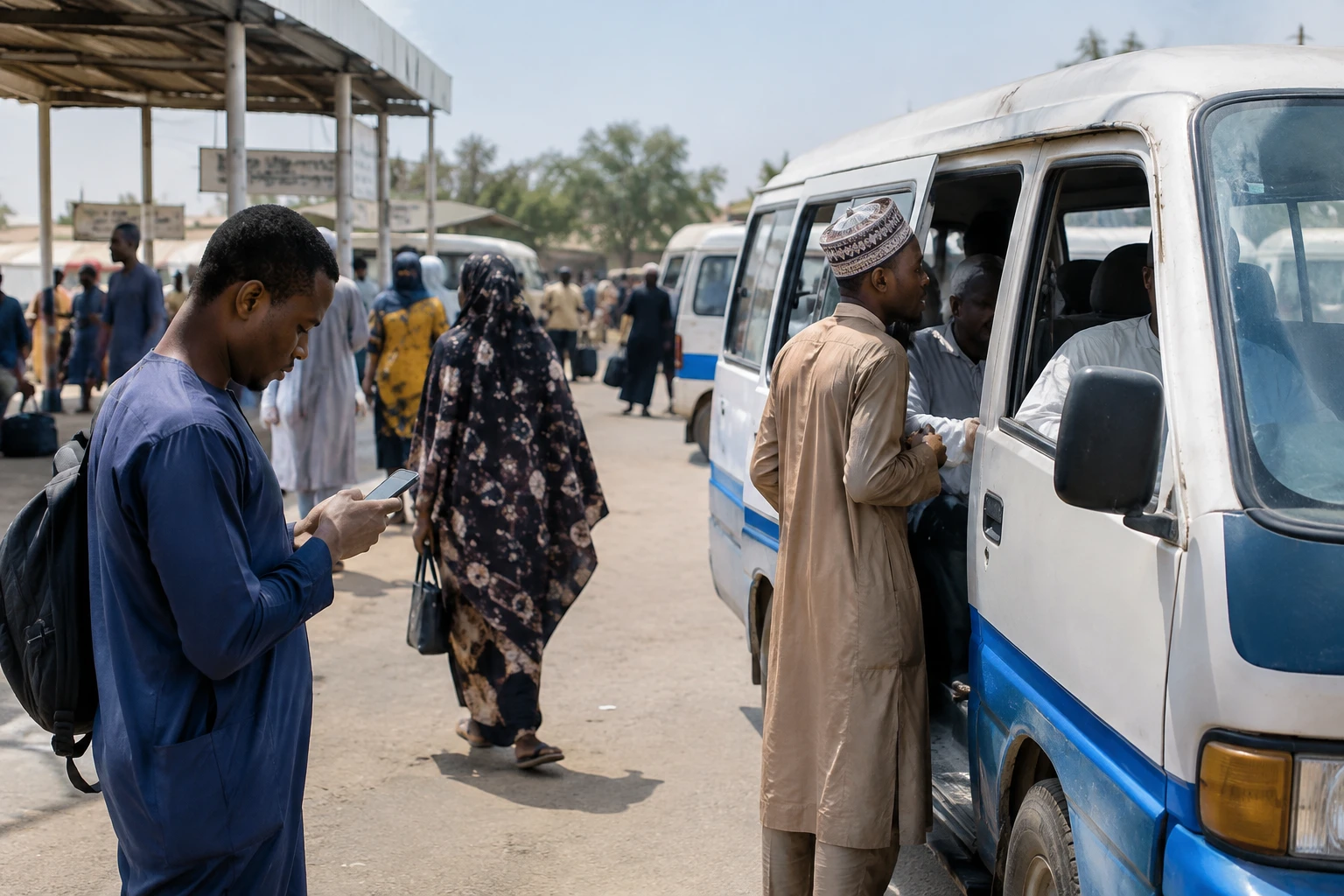
In northern Nigeria, a dispute over the sources of religious authority has taken a tragic turn. The shooting of preacher Yahaya Masussuka has brought a sensitive question to the fore: how can Islam be interpreted and debated without controversy being exploited or silenced through violence?
A religious debate rooted in a long history
The disagreement centres in particular on the place of hadiths, accounts of the words and actions of the Prophet Muhammad. In Sunni Muslim tradition, they complement the Quran and help establish religious rules. Muslims who identify with the Quranist current, by contrast, consider the Quran sufficient as the foundation of faith and religious prescriptions. Their positions are not necessarily identical from one preacher to another.
In northern Nigeria, this discussion takes place in a society where Islam has long-established educational institutions and scholarly traditions. The kingdoms of Borno and religious centres such as Katsina contributed to the transmission of Muslim learning. In the 19th century, Usman dan Fodio’s jihad helped establish the Sokoto Caliphate and consolidate a system of Sunni education and law based on the Quran, hadiths and the works of jurists.
Contemporary Quranism is not automatically synonymous with reform movements of the past. Historical currents discussed the authority of hadiths or rejected certain accounts without abandoning this tradition as a whole. In the modern era, thinkers in South Asia and elsewhere have more explicitly defended the Quran as the central, or even exclusive, religious source. The internet has since helped spread these ideas beyond study circles.
Masussuka, a preacher with an online following
Yahaya Masussuka established himself as a figure in this current in the north of the country. According to biographical information published about his life, he came from a family connected to Katsina and grew up partly in Masussuka, in the Ningi area of Bauchi State. He is said to have first studied in traditional religious circles before adopting an approach centred on the Quran.
His teaching highlighted, in particular, “tafsir al-Qur’an bi al-Qur’an”: interpreting one verse in the light of other passages in the Quran. He challenged the obligation to follow collections of hadiths or classical schools of law. His remarks, shared by the media and on social networks, reached an audience beyond his local circles, including young people and internet users.
This method and these conclusions are debated among Muslims. The majority Sunni currents counter them with the role of hadiths and traditions of interpretation. Supporters of the Quran alone, however, argue that the varying reliability of accounts is a reason not to treat them as a binding religious authority. Describing these positions helps explain the dispute without conflating theological disagreement with justification for violence.
An attack in Dutsin-Ma, responsibility still to be established
The chronology requires an important clarification: contrary to what the supplied content indicates, the reports consulted place the killing on 26 October 2026, in Dutsin-Ma, Katsina State, not in 2025. Katsina police announced that Masussuka and another man, Adamu Abubakar, had been killed by armed men. The circumstances and the identity of the gunmen are matters for the investigation.
Ansaru, an armed group linked to al-Qaeda, claimed the killing in a message reported by Nigerian media outlet Premium Times. The claim does not, in itself, amount to independent confirmation of the group’s responsibility. Police have not publicly confirmed the identity of the perpetrators. Another Nigerian report, published by NTA, also distinguishes between facts announced by the authorities and details that remain to be verified.
This caution is essential in a climate where accusations spread quickly. A claim by an armed group, interpretations of its motives and suspicions voiced by relatives or religious opponents should not be presented as established facts unless corroborated by the investigation.
A matter of security and pluralism
Masussuka’s death affects first and foremost his relatives, students and the communities where he preached. It also raises the question of the safety of religious voices exposed to threats. If investigators establish a link between the attack and his views, the case will illustrate the risk of armed groups imposing doctrinal boundaries through fear. At this stage, that link must remain attributed to Ansaru’s claim and not be treated as proven.
Nigeria’s context is particularly complex. The federal authorities in Abuja must respond to threats that vary by region: jihadist insurgencies in the north-east, armed groups and kidnappings in several parts of the north-west, among others. These realities are not one and the same. They affect people in towns and rural areas differently, as well as the daily activities of communities far from security services.
At the West African level, the case also concerns cooperation against armed groups and the cross-border movement of their networks. Nigeria is a key member of ECOWAS, the regional organisation that coordinates political and security responses among states, among other things. But security cannot be limited to military operations: protecting civilians, the work of the justice system and the possibility of peaceful religious debate matter too.
The next concrete step remains the investigation into the two deaths in Dutsin-Ma: identifying the gunmen, examining Ansaru’s claim and publishing verifiable evidence. Meanwhile, debate over the place of hadiths will continue in mosques, study circles and online spaces. The distinction between theological disagreement and organised violence will be crucial to understanding the significance of this case.



