Algeria
 Egypt
 Libya
 Morocco
 Sudan
 Tunisia
 Benin
 Burkina Faso
 Cabo Verde
 Côte d'Ivoire
 Ghana
 Guinea
 Guinea-Bissau
 Liberia
 Mali
 Mauritania
 Niger
 Senegal
 Sierra Leone
 The Gambia
 Togo
 Cameroon
 Central African Republic
 Chad
 DR Congo
 Equatorial Guinea
 Gabon
 Republic of the Congo
 São Tomé and Príncipe
 Burundi
 Comoros
 Djibouti
 Eritrea
 Ethiopia
 Kenya
 Madagascar
 Malawi
 Mauritius
 Mozambique
 Rwanda
 Seychelles
 Somalia
 South Sudan
 Tanzania
 Uganda
 Angola
 Botswana
 Eswatini
 Lesotho
 Namibia
 South Africa
 Zambia
 Zimbabwe
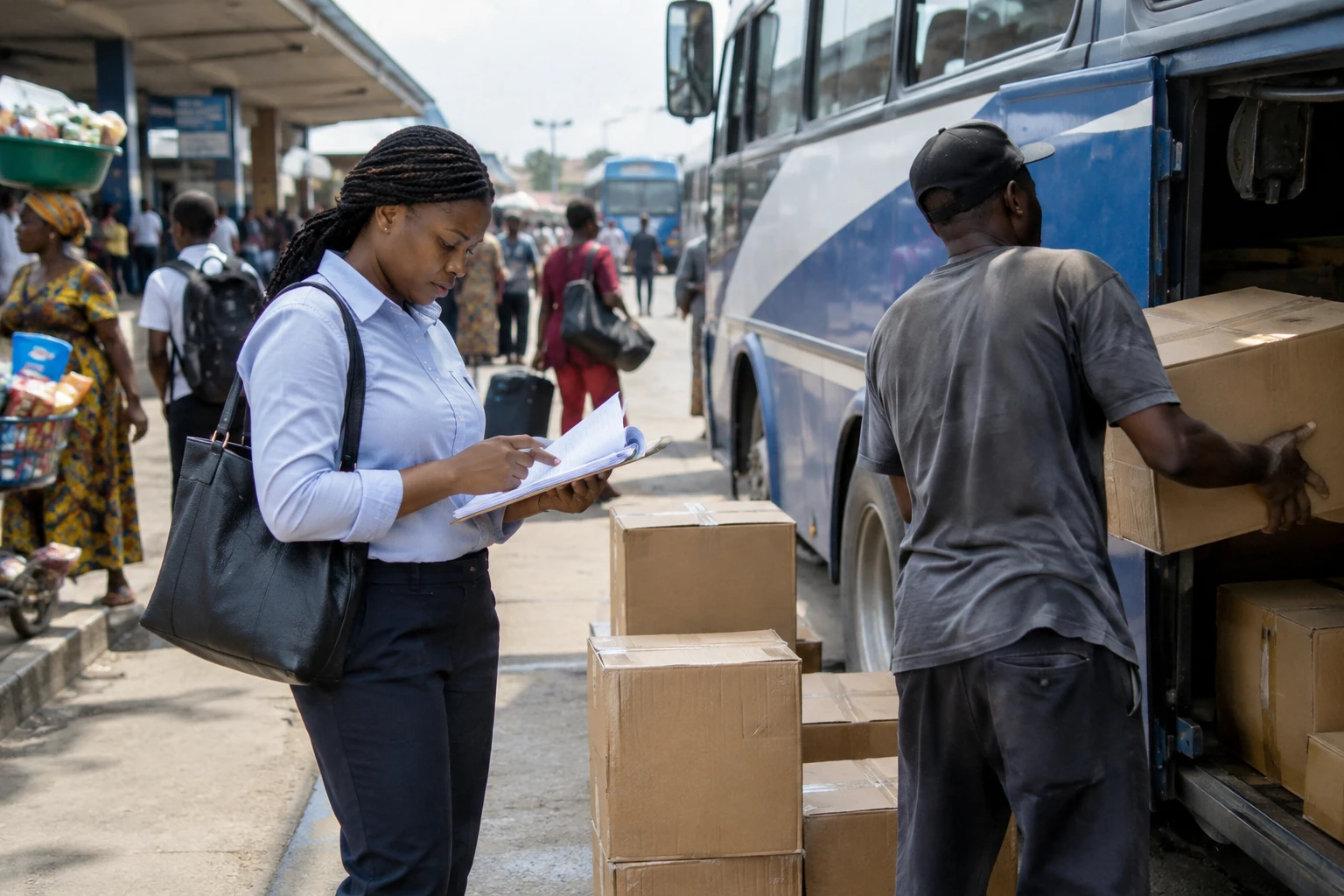
For a small Nigerian business, securing a loan is not enough: it must also be able to repay it despite the cost of equipment, energy and transport. That is the challenge the federal government’s 200bn naira public programme, presented again by the authorities in late October, is meant to address.
A three-part scheme already under way
The package announced comprises 50bn naira in grants, 75bn naira in loans to micro, small and medium-sized enterprises (MSMEs), and 75bn naira for manufacturers. Eligible industrial businesses can receive financing of up to 1bn naira each through the Bank of Industry (BOI), Nigeria’s public industrial development finance institution.
Vice-President Kashim Shettima outlined the measures at a meeting with business representatives in Abuja on Friday 30 October 2026. He also called for the forum bringing together MSME stakeholders to meet every quarter and review commitments made at the previous meeting. The date and broad outlines of the scheme were reported in an account of the 30 October meeting.
This is not, however, an entirely new fund. The BOI says the three components — grants, MSME loans and manufacturing finance — make up a 200bn naira federal package established in 2024. The recent announcement therefore puts the spotlight back on an existing programme; it does not, on its own, specify how much has already been disbursed or whether a new application period is open. The BOI’s official overview sets out the three funds and how they are administered.
Credit remains hard to access
The stakes are considerable in West Africa’s largest economy. According to the World Bank, fewer than one in 20 Nigerian MSMEs has access to bank credit. Loans are often expensive and short-term; collateral requirements also exclude businesses that could be viable. Women entrepreneurs and agricultural businesses face specific obstacles in financing their operations and investment, too.
These challenges affect businesses in different ways. A small shop often needs to finance stock or working capital. A workshop needs to buy machinery. A manufacturer may need longer-term loans to expand a production line. For these businesses, a funding announcement becomes useful only if the criteria are accessible, the timelines reasonable and the money actually disbursed.
For its general MSME fund, the public bank specifies an annual interest rate of 9 per cent, a three-year term and a three-month repayment grace period. But terms and lending limits vary by scheme. Businesses interested in applying should therefore distinguish non-repayable grants from loans and check the terms applicable to their sector. The BOI’s financing product documents provide details on eligibility criteria and credit terms.
From funding pledge to measurable results
The central question is implementation. The scheme could contribute to productive investment if the money reaches businesses able to produce, hire and meet local demand. Conversely, cumbersome procedures or hard-to-meet collateral requirements risk leaving small businesses behind, particularly those operating outside the main economic centres.
The 1bn naira cap for manufacturers is aimed at investments on a different scale from grants for very small businesses. This targeting could help manufacturers acquire equipment or increase production. But it will not, on its own, resolve the costs of electricity, imported inputs or logistics, all of which weigh on competitiveness. Credit availability must therefore be accompanied by an environment in which businesses can produce and sell their goods.
The quarterly discussions announced by Shettima could give entrepreneurs a regular channel for raising obstacles. Their impact will depend, however, on the representation of small businesses, women and stakeholders based outside Abuja and Lagos, as well as public follow-up on decisions. The government has not detailed in its announcement how the forum’s results will be published.
A Nigerian issue with regional implications
MSMEs are important for employment and local value chains. The World Bank estimates that they account for nearly half of Nigeria’s gross domestic product. Its FINCLUDE programme, approved in December 2025 and implemented by the Development Bank of Nigeria, provides for $500mn in financing. It aims to expand credit to 250,000 businesses, including at least 150,000 led by women and 100,000 in agribusiness, while mobilising private capital. These targets are part of a programme separate from the 200bn naira federal package. The World Bank sets out FINCLUDE’s terms.
For Nigeria, better financing for suppliers, processors and small production units could strengthen local supply and trade with neighbouring countries. This matters in a region where ECOWAS, the Economic Community of West African States, is seeking to facilitate market integration. But the effects will depend on tangible results: amounts disbursed, businesses supported, the distribution of funding across sectors and territories, and the ability of loans to sustain economic activity.
The key point, then, is less the amount announced than its execution. The next quarterly meetings, together with the publication of data on beneficiaries and repayments, will make it possible to assess whether this funding is really reaching the Nigerian businesses it is intended for.