
 Algeria
 Egypt
 Libya
 Morocco
 Sudan
 Tunisia
 Benin
 Burkina Faso
 Cabo Verde
 Côte d'Ivoire
 Ghana
 Guinea
 Guinea-Bissau
 Liberia
 Mali
 Mauritania
 Niger
 Nigeria
 Senegal
 Sierra Leone
 The Gambia
 Togo
 Central African Republic
 Chad
 DR Congo
 Equatorial Guinea
 Gabon
 Republic of the Congo
 São Tomé and Príncipe
 Burundi
 Comoros
 Djibouti
 Eritrea
 Ethiopia
 Kenya
 Madagascar
 Malawi
 Mauritius
 Mozambique
 Rwanda
 Seychelles
 Somalia
 South Sudan
 Tanzania
 Uganda
 Angola
 Botswana
 Eswatini
 Lesotho
 Namibia
 South Africa
 Zambia
 Zimbabwe
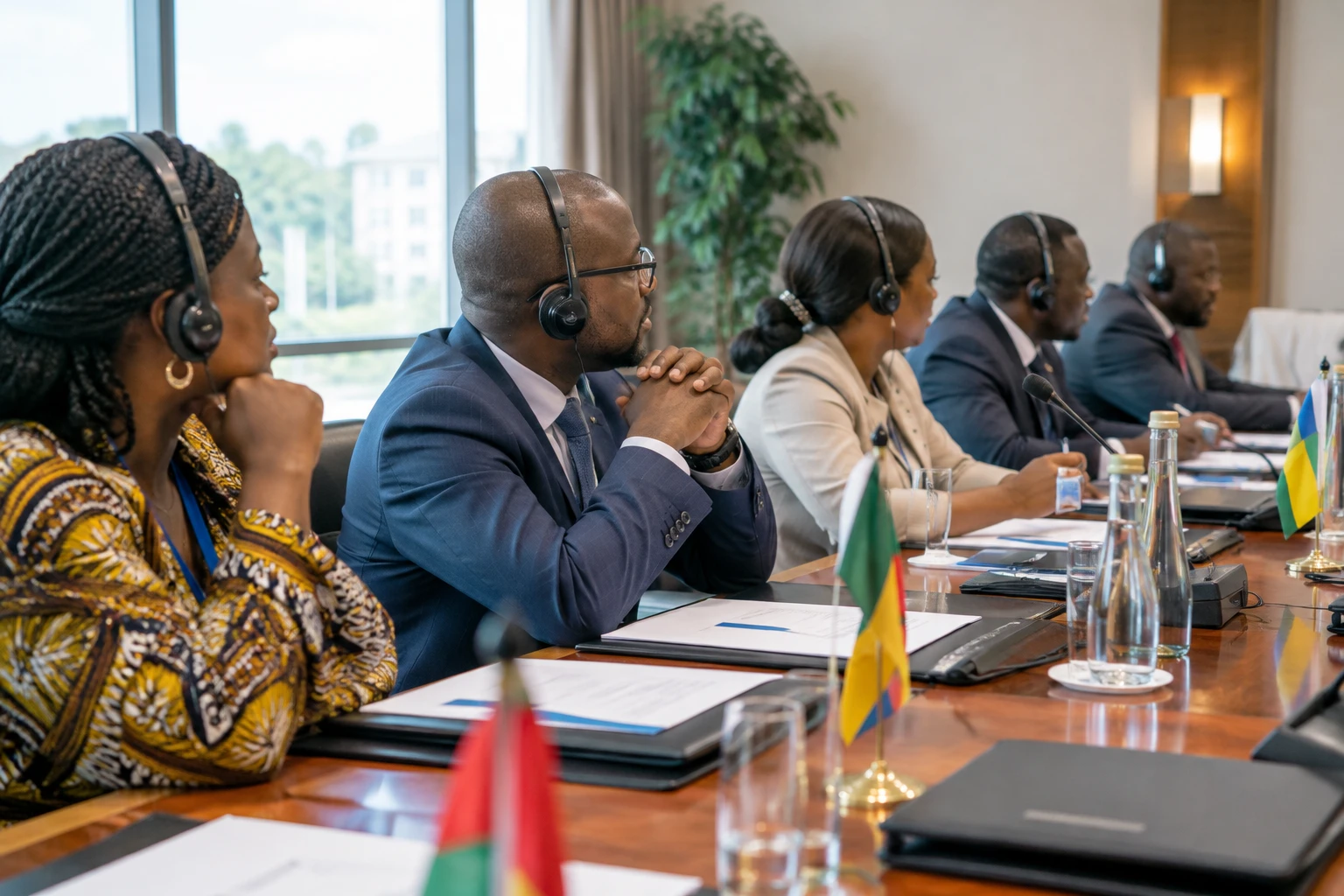
As the next parliamentary and municipal elections approach, a three-month suspension can have effects that last well beyond its duration. In Cameroon, the measure targeting the National Salvation Front of Cameroon (FSNC) has revived a central question: what place remains for the opposition in political competition?
A decision taken amid electoral tensions
On 27 October 2026, the Minister of Territorial Administration, Paul Atanga Nji, signed an order suspending FSNC activities across the country for three months. The party is led by Issa Tchiroma Bakary, a former minister and 2025 presidential candidate, who is now in The Gambia. The measure bans the party’s activities during this period but does not announce its dissolution.
The ministry justified its decision by citing actions it attributes to the party: calls for insurrection, incitement to violence, serious disturbances of public order and attacks on national unity. The order also refers to ongoing legal proceedings and convictions handed down by the Yaoundé military court on 8 October 2026. These are the grounds put forward by the authorities; presenting them as definitively established facts without examining the proceedings would be premature.
The timing gives the decision particular significance. Parliamentary and municipal elections are expected in 2027, after several postponements. The precise date remains to be confirmed. The suspension therefore comes at a time when parties need to organise their structures, prepare candidates and reconnect with voters.
The 2025 presidential election remains the breaking point
The current crisis follows on from the presidential election of 12 October 2025. The Constitutional Council declared Paul Biya the winner with 53.66% of the vote, against 35.19% for Issa Tchiroma Bakary. The latter disputed the results and claimed victory. His disagreement with the official result led to protests in several cities.
The demonstrations and clashes that followed caused deaths and led to numerous arrests. The death toll remains disputed. The authorities reported 16 deaths; human rights organisations put forward higher figures, while opposition figures cited as many as 55 deaths. In the absence of a consolidated independent toll, these estimates should remain attributed to their sources.
The events also shifted the political confrontation beyond the country’s borders. Tchiroma went to The Gambia, where the Gambian authorities said he had been welcomed on humanitarian and security grounds. Since his departure, the FSNC has had to contend with the absence of its leader, while political opponents dispute the legitimacy of its calls and its role in the protests.
Opposition parties warn of the risk of exclusion
In the days after the order, several Cameroonian parties condemned the suspension. The Cameroon Democratic Union (UDC), the Cameroon Party for National Reconciliation (PCRN), the African Movement for New Independence and Democracy (MANIDEM) and the Patriotic Movement for the Prosperity of the People (MP3) voiced their concerns. Their statements differ, but converge on the risk of weakening political pluralism.
The UDC has raised particular concern about the measure’s impact on the coming elections and called for an inclusive vote. The PCRN has called for calm and urged the authorities to reconsider their decision. MANIDEM and MP3 view it as an infringement of political freedoms. These criticisms reflect the position of opposition parties; on their own, they do not prove that the decision is intended to keep the FSNC out of the election.
One point remains decisive: the order suspends party activities for three months, but the available information does not set out the consequences for its legal status or the eligibility of its candidates. The distinction matters. A temporary ban on activities does not automatically mean that members lose the right to stand, but it may limit their ability to hold meetings, coordinate their teams and campaign during a crucial period.
A national election with regional implications
In Cameroon, these elections will determine the composition of the National Assembly and municipal councils. The effects of a political restriction are not evenly distributed: national leaders can challenge the measure from major cities or abroad, while local activists risk losing spaces for meetings and mobilisation. For voters, the stakes are also concrete: being able to compare platforms and choose between several candidates.
The regional institutional framework adds a further dimension to the question of stability. Cameroon belongs to the Central African Economic and Monetary Community (CEMAC), which brings six states together around economic and monetary cooperation. CEMAC does not organise Cameroon’s national elections. But the quality of political dialogue and confidence in institutions contribute to the regional environment in which people, trade and investment move.
What happens next will depend in particular on the suspension’s actual duration, any appeals and the rules governing candidacies in 2027. It will also be important to watch whether the authorities clarify the order’s legal effects, and whether the FSNC can resume its activities before the vote. For now, the disagreement between the government and the opposition remains deep, both over the interpretation of the 2025 presidential election and the conditions for open electoral competition.



