Algeria
 Egypt
 Libya
 Morocco
 Sudan
 Tunisia
 Benin
 Burkina Faso
 Cabo Verde
 Côte d'Ivoire
 Ghana
 Guinea
 Guinea-Bissau
 Liberia
 Mali
 Mauritania
 Niger
 Nigeria
 Senegal
 Sierra Leone
 The Gambia
 Togo
 Cameroon
 Central African Republic
 Chad
 DR Congo
 Equatorial Guinea
 Gabon
 Republic of the Congo
 São Tomé and Príncipe
 Burundi
 Comoros
 Djibouti
 Eritrea
 Ethiopia
 Madagascar
 Malawi
 Mauritius
 Mozambique
 Rwanda
 Seychelles
 Somalia
 South Sudan
 Tanzania
 Uganda
 Angola
 Botswana
 Eswatini
 Lesotho
 Namibia
 South Africa
 Zambia
 Zimbabwe
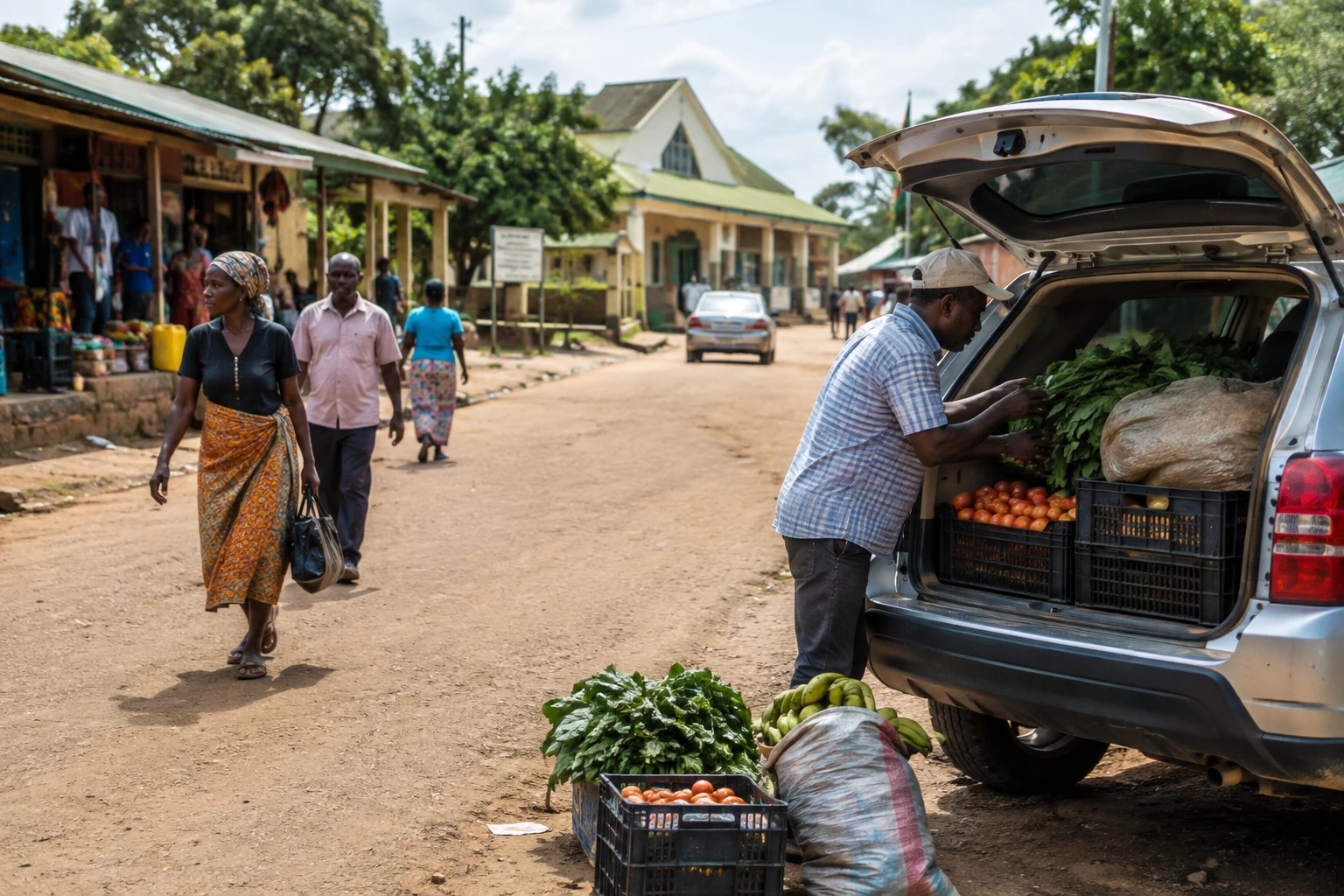
For residents of northern Kitui County, the distance to a market or public service is measured in more than kilometres. Road conditions can determine the cost of a journey, the sale of a harvest or access to healthcare. The road project announced in the region is intended to address this reality.
A 55-kilometre link in northern Kitui
Kenyan President William Ruto launched construction on 26 October 2026 of a 55-kilometre road between Twimiwa, Tseikuru and Usweni in Kitui County, eastern Kenya. The project is valued at 5 billion Kenyan shillings, or about $38.5 million according to reported estimates.
The new link is intended to bring farming and pastoral communities closer to markets, social services and urban centres. However, the announcement provided few details about the construction timetable, monitoring arrangements or plans for maintenance after completion. These factors will matter just as much as the launch in determining the project’s tangible effects.
The presidential visit took place in Ukambani, a region in south-eastern Kenya that includes the counties of Kitui, Machakos and Makueni. Road investment there also has a political dimension: the government presents it as a way to reduce regional disparities, amid a national debate fuelled by public projects and how they are distributed.
The road is a first step, not an economic guarantee
For producers, an improved road can reduce the time and cost of transporting crops or livestock. For households, it can make it easier to reach schools, health facilities and administrative services. But these benefits will depend on the road’s condition throughout the year, links to secondary roads and the availability of accessible markets.
The gains will not automatically be shared equally. Traders and transport operators may quickly benefit from smoother traffic. Producers far from the route, meanwhile, risk being left out if the roads connecting them to the main route remain difficult to use. In rural areas, maintenance and drainage structures are critical when rain makes some routes less passable.
The project is part of a broader series of investments announced by Nairobi. On 20 October, the Kenya National Highways Authority (KeNHA) said the government was seeking $600 million from the World Bank for a programme covering about 536 kilometres of roads in seven counties. The funding is being sought and should therefore not be presented as already secured.
This separate programme also includes bridges in the Lower Eastern region, as well as community facilities and road safety improvements. It targets counties in the Rift Valley, not Kitui County alone. The distinction matters: the announcements form part of a broader national effort, but their funding, target areas and timetables are separate.
From national ambitions to regional connections
Kenya has long incorporated transport infrastructure into its Vision 2030 strategy, which aims to transform the country into a middle-income economy. Rural road projects are intended to complement major routes and improve links between production areas and cities. Their impact, however, will depend on the state’s ability to fund construction, oversee its delivery and maintain roads once they are built.
At regional level, these domestic links also matter to the East African Community (EAC), an organisation that facilitates economic cooperation between neighbouring countries. By connecting productive areas more efficiently to transport corridors, Kenya can strengthen trade with the region. But a local road will improve cross-border flows only if it connects to reliable routes and functioning border posts.
The next measure of progress will therefore be less the number of announcements than whether they result in completed, well-maintained projects. For the Kitui project, the milestones to watch are the actual construction period, the quality of the road and the connections it provides to neighbouring villages. For the programme backed by funding being sought, the outcome of discussions with the World Bank must first be known.