Algeria
 Egypt
 Libya
 Morocco
 Sudan
 Tunisia
 Benin
 Burkina Faso
 Cabo Verde
 Ghana
 Guinea
 Guinea-Bissau
 Liberia
 Mali
 Mauritania
 Niger
 Nigeria
 Senegal
 Sierra Leone
 The Gambia
 Togo
 Cameroon
 Central African Republic
 Chad
 DR Congo
 Equatorial Guinea
 Gabon
 Republic of the Congo
 São Tomé and Príncipe
 Burundi
 Comoros
 Djibouti
 Eritrea
 Ethiopia
 Kenya
 Madagascar
 Malawi
 Mauritius
 Mozambique
 Rwanda
 Seychelles
 Somalia
 South Sudan
 Tanzania
 Uganda
 Angola
 Botswana
 Eswatini
 Lesotho
 Namibia
 South Africa
 Zambia
 Zimbabwe
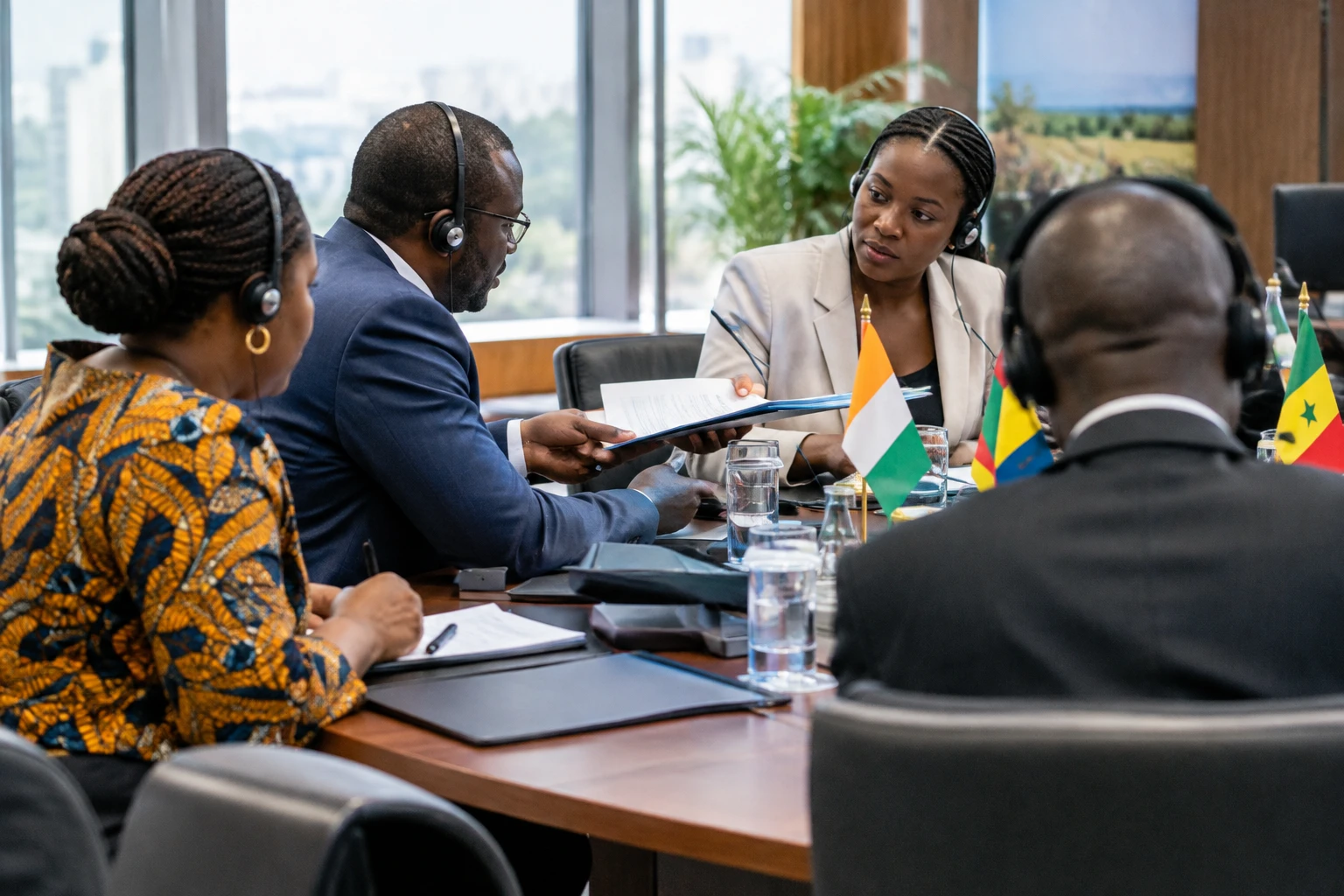
When the price paid for rubber rises, the increase does not automatically translate into more secure incomes for growers. In Côte d’Ivoire, the sector must now turn its position among the world’s leading producers into local added value and more widely shared returns.
High prices in a sector of strategic importance
The APROMAC benchmark displayed by the Société africaine de plantations d’hévéas (SAPH) reached 526 CFA francs per kilogram in October 2026. This figure applies to wet rubber, not the dry rubber used to measure national production. The farmgate price should therefore not be compared directly with annual dry rubber output.
The sector has grown sharply in recent years. The Fonds interprofessionnel pour la recherche et le conseil agricoles (FIRCA) estimates Côte d’Ivoire’s dry rubber production at 1,932,106 tonnes in 2025, or about 12% of the world total. According to these figures, the country ranks third globally and first in Africa. FIRCA also says rubber cultivation contributes more than 8% of Côte d’Ivoire’s gross domestic product.
The activity relies largely on village farms. According to FIRCA, more than 92% of plantations belong to smallholders, spread across some 300,000 farms. Prices therefore affect the incomes of many rural households, as well as supplies to factories and export earnings.
A West African sector exposed to global markets
Rising prices reflect a market shaped by two forces: demand from tyre manufacturers and fluctuations in supply from producing countries. Difficult weather, tree diseases and the ageing of some plantations can reduce harvests in Asia. These factors alone, however, are not enough to predict price movements: conditions in the automotive industry and purchases by major consuming countries also matter.
Côte d’Ivoire is benefiting from this trend, but remains tied to global prices and industrial buyers’ needs. A fall in demand or a recovery in output among leading suppliers could ease pressure on prices. The challenge for Ivorian producers is therefore to make the most of favourable periods without basing their decisions on the assumption that prices will keep rising.
Regionally, Côte d’Ivoire’s rubber sector is part of a West African economy in which agricultural trade, infrastructure and port access link producers and industrial firms. ECOWAS, the Economic Community of West African States, provides a framework for regional cooperation. But decisions on rubber are still largely shaped by international markets and by the processing capacity available in each country.
How prices are shared remains central to the debate
Remuneration rules have been revised to improve the share received by growers. Announced measures include scrapping a deduction of 2 CFA francs per kilogram and increasing the producer’s share of the net benchmark price from 63% to 66%. Incentive premiums paid by processors to attract deliveries are capped at 10 CFA francs per kilogram.
The changes are also intended to curb competition between factories seeking to secure volumes, a situation that can favour the most powerful operators. The Conseil Hévéa-Palmier à huile-Coco, which regulates several sectors, has nevertheless noted difficulties in applying the mechanism. The gap between an announced rule and its effective implementation therefore remains a point to watch.
For growers, the displayed price does not tell the whole story of net income. Maintenance costs, labour, access to buyers and the quality of collection also affect returns. Producers far from factories may face different constraints from those in better-served areas. Small processing units, meanwhile, can struggle to compete when they cannot offer premiums on a par with those of large groups.
Produce more or process more?
The authorities and industry players want to expand and renew plantations. The PURE programme, dedicated to renewing and expanding rubber cultivation, aims to add or rehabilitate 500,000 hectares by 2035. The target requires a major effort in seedlings, technical support and financing. It also raises questions about land use and the protection of natural areas.
At the same time, local processing could help retain more value in the country. A study presented by FIRCA and the Association of Natural Rubber Professionals of Côte d’Ivoire highlights the value of developing secondary processing, beyond the primary treatment of the raw material. This could bring production closer to manufacturers of finished goods, but would require investment, skills and reliable outlets.
The sector’s success will therefore not be measured solely by the tonnage harvested. It will also depend on the predictability of the pricing mechanism, smallholders’ access to services and Ivorian companies’ ability to process more of the raw material. Higher prices can provide an investment opportunity; on their own, they do not resolve the challenges of income distribution and industrial diversification.
The next step will be to check whether the new remuneration rules are consistently reflected in payments, while monitoring implementation of the renewal programme. For Côte d’Ivoire and its West African neighbours, the challenge is now to consolidate competitive production without remaining confined to exporting raw materials.