Algeria
 Egypt
 Libya
 Morocco
 Sudan
 Tunisia
 Benin
 Burkina Faso
 Cabo Verde
 Côte d'Ivoire
 Ghana
 Guinea
 Guinea-Bissau
 Liberia
 Mali
 Mauritania
 Niger
 Nigeria
 Senegal
 Sierra Leone
 The Gambia
 Togo
 Cameroon
 Central African Republic
 Chad
 DR Congo
 Equatorial Guinea
 Gabon
 Republic of the Congo
 São Tomé and Príncipe
 Burundi
 Comoros
 Djibouti
 Eritrea
 Ethiopia
 Madagascar
 Malawi
 Mauritius
 Mozambique
 Rwanda
 Seychelles
 Somalia
 South Sudan
 Tanzania
 Uganda
 Angola
 Botswana
 Eswatini
 Lesotho
 Namibia
 South Africa
 Zambia
 Zimbabwe
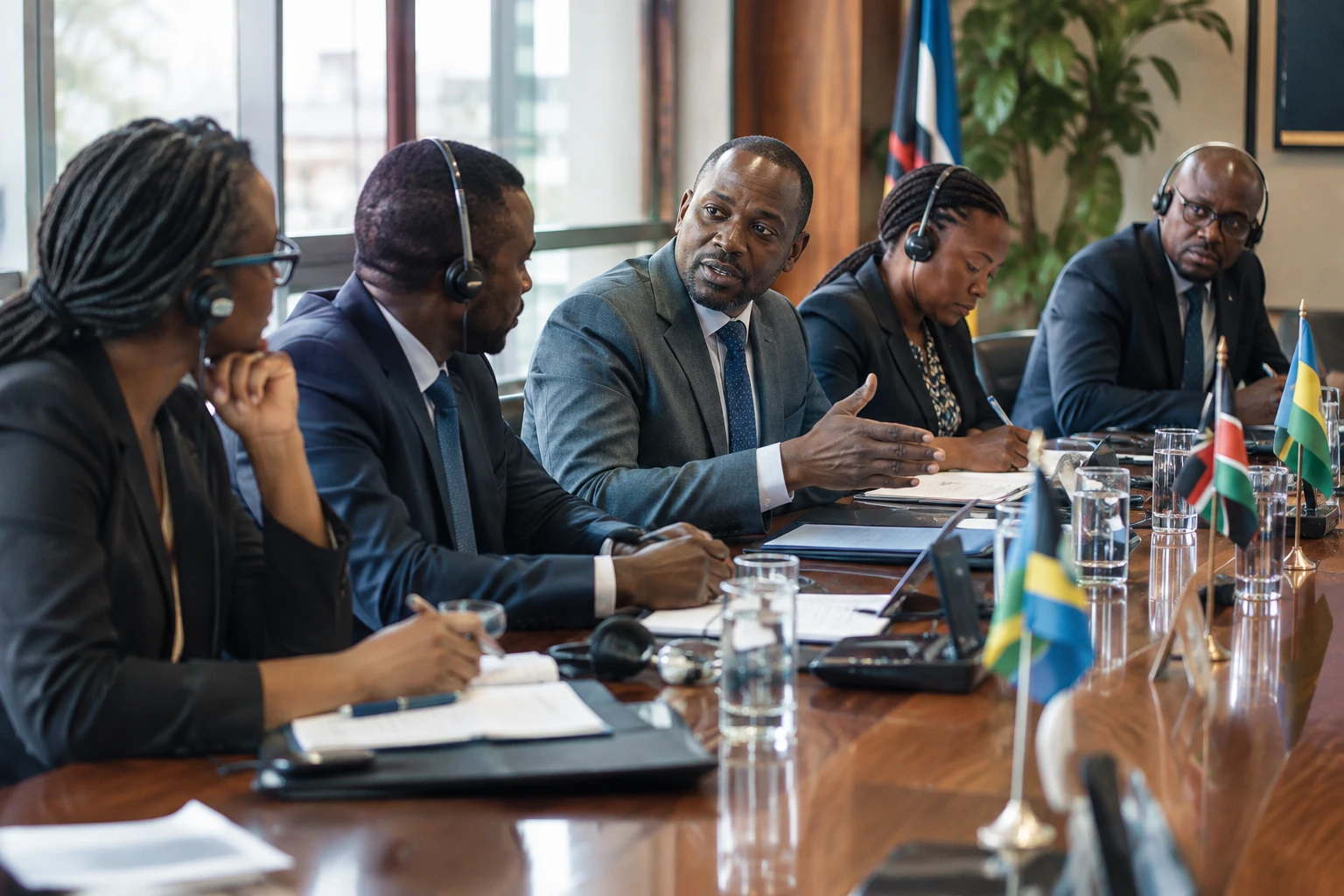
A fuel network can carry as much weight as a refinery in the contest to supply East Africa. In Kenya, Aliko Dangote’s entry into Kenya Pipeline Company (KPC) brings a Nigerian industrialist closer to a key link in this chain, without yet guaranteeing that the two businesses will operate as an integrated whole.
A key operator at the heart of regional trade
From the port of Mombasa, KPC’s infrastructure transports petroleum products to Nairobi and several inland cities. The network also serves neighbouring markets, including Uganda, Rwanda, Burundi, South Sudan and eastern Democratic Republic of the Congo. Kenya’s energy ministry estimates the network at about 1,792 kilometres, while the company describes an operational route of 1,342 kilometres. These figures appear to reflect different scopes or counting methods and should therefore not be confused. Data from Kenya’s energy ministry on petroleum infrastructure and KPC’s description of its network set out its regional role.
This position forms part of the Northern Corridor of the East African Community (EAC), the regional organisation linking Kenya, Uganda, Rwanda and Burundi, among others. Flows through Mombasa are important to the supply of several landlocked economies. The security of facilities, transport tariffs and access to the network therefore have implications beyond the Kenyan market.
A significant stake, but not a takeover
On 21 October, Aliko Dangote confirmed the acquisition of a 24.76% stake in KPC for about 42.5 billion Kenyan shillings, or nearly $327 million. The purchase covers a block of 4.5 billion shares sold by public institutional investors, according to reports in the Kenyan press. The stake makes his group a major shareholder, but does not mean it controls the company. Business Daily Africa has detailed the transaction; the Kenya Broadcasting Corporation has also reported confirmation of the purchase.
The deal follows the opening of KPC’s shareholding to the public. The government sold 65% of the company through an offer on the Nairobi Securities Exchange, retaining a minority stake. The partial privatisation was intended to raise funds for public investment. The timing and terms of the resale of the block to Dangote are now at the centre of debate over the transparency of the deal.
Kenyan political figures, including MP Ndindi Nyoro, have accused the authorities of directing public or pension funds towards the initial purchase of shares before their subsequent sale. These allegations have not been established. Separately, a petition challenging the privatisation led the High Court to order the production of documents related to the sale. This is an ongoing case, not a judicial finding on the legality of the transaction. The Kenyan press has reported on the court’s request for documents.
The link to the Lamu project remains to be defined
The KPC stake takes on added significance alongside Dangote’s refinery project in Lamu, on Kenya’s coast. Construction was officially launched on 30 September. The project is valued at $16 billion and is designed to process 700,000 barrels of crude oil a day. The company has indicated that operations could begin around 2030, but the timetable will depend on construction, financing and the necessary permits. Kenya’s transport ministry confirmed the start of construction; the Associated Press also reported on the ceremony and the announced details of the project.
The industrial logic is clear: refine oil, then store and transport it to regional customers. But the stake does not, by itself, give Dangote the right to reserve KPC’s network for its products. Access conditions, tariffs and regulatory oversight will be crucial to preserving fair competition among suppliers. The Kenyan press has also reported a $1.5 billion investment plan for pipelines, although the available information does not establish the detailed terms of that commitment.
For the state, the sale generates revenue and could attract capital for infrastructure. For consumers, the tangible issue will be the price and reliability of supply. Local distribution companies, meanwhile, will be watching access to transport and storage closely. In areas crossed by the facilities, the economic benefits will also depend on jobs created and agreements with the communities concerned.
An energy bet on an East African scale
The Lamu project has already prompted local concerns. Residents are challenging land issues, while environmental advocates have warned of risks to coastal ecosystems. These concerns must be examined alongside promises of industrial capacity and jobs. The project is moving ahead in a region where the promised benefits will have to be reconciled with land rights, fishing activities and coastal protection.
Kenya could strengthen its role as an energy hub for its neighbours, but bringing several strategic links under the control of a single group raises a question of governance. The issue is not only whether more fuel can be produced. It is also about ensuring that infrastructure remains accessible and that any gains are reflected in the cost and reliability of regional supplies.
The next milestones will be the authorities’ decisions on KPC regulation, the outcome of legal challenges related to the privatisation and tangible progress on the Lamu project. Across the EAC, Kenya’s decisions will affect supply routes for landlocked countries. Dangote’s stake opens a new chapter; its effects on prices, competition and energy security remain uncertain.