Algeria
 Egypt
 Libya
 Morocco
 Sudan
 Tunisia
 Benin
 Burkina Faso
 Cabo Verde
 Côte d'Ivoire
 Ghana
 Guinea
 Guinea-Bissau
 Liberia
 Mauritania
 Niger
 Nigeria
 Senegal
 Sierra Leone
 The Gambia
 Togo
 Cameroon
 Central African Republic
 Chad
 DR Congo
 Equatorial Guinea
 Gabon
 Republic of the Congo
 São Tomé and Príncipe
 Burundi
 Comoros
 Djibouti
 Eritrea
 Ethiopia
 Kenya
 Madagascar
 Malawi
 Mauritius
 Mozambique
 Rwanda
 Seychelles
 Somalia
 South Sudan
 Tanzania
 Uganda
 Angola
 Botswana
 Eswatini
 Lesotho
 Namibia
 South Africa
 Zambia
 Zimbabwe
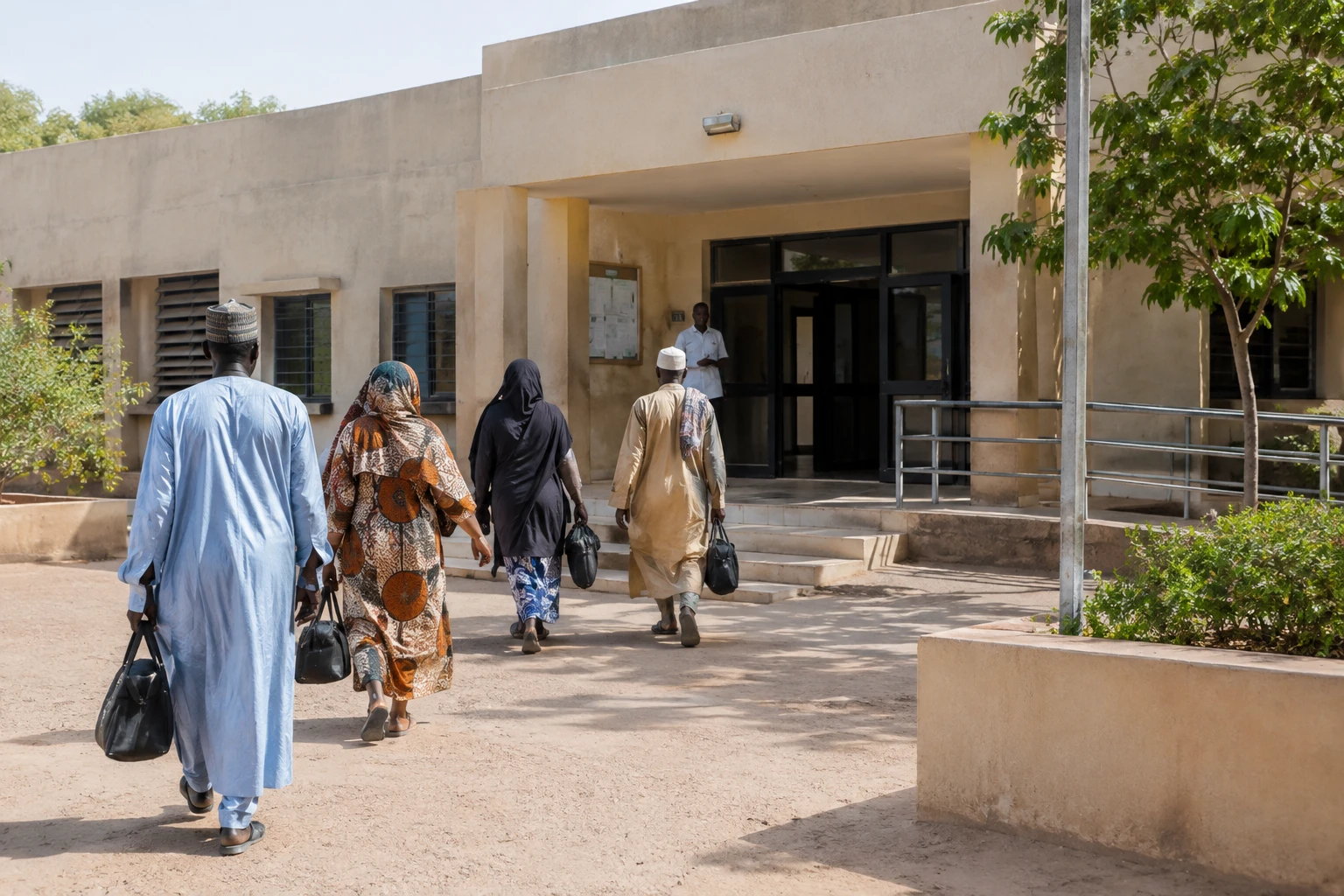
In the Ménaka region, in Mali’s far north-east, families living in isolated encampments once again find themselves caught in the crossfire of armed rivalries. The attacks on Sunday 18 October are a reminder of how difficult it remains to protect civilians far from urban centres.
A heavy toll, still to be confirmed
More than 40 civilians were killed in attacks on encampments in the Ménaka region, according to security and local sources. The attackers reportedly arrived on motorbikes. The reported incidents include Tinabow and the Tagadayat area, about 50 kilometres from the town of Ménaka.
The toll varies across the available accounts. Security sources refer to around 40 deaths, mostly men. The executive bureau of the Idaksahak community, meanwhile, announced at least 48 victims in Tagadayat. In the absence of a consolidated official toll, these figures should remain attributed to their sources.
The same community organisation accuses the Islamic State group of being responsible. At this stage, this attribution is not a verified claim of responsibility for the attack. A security source based in Gao points to a possible motive of retaliation, linked to recent military operations and attacks by the Movement for the Salvation of Azawad (MSA). This explanation, too, remains to be confirmed.
Families are reported to have fled to the town of Ménaka. If these movements are confirmed, they will put pressure on the services and resources of a town that is already hosting residents displaced by insecurity. The available information does not yet make it possible to measure precisely the scale of the departures or the needs of those affected.
Ménaka, where several power struggles intersect
The region is marked by the presence of armed groups with differing aims: jihadist organisations, local political and military movements, Malian forces and criminal networks. Alliances can shift. A group fighting one adversary in one area may also be embroiled in tensions with other actors, making it particularly difficult to establish responsibility.
The MSA emerged from the Daoussahak community and is among the local armed groups close to the authorities in Bamako. This proximity adds a political dimension to the allegations of retaliation, but is not enough to prove a link with the attacks. It is therefore important to distinguish between reported facts, community accusations and hypotheses put forward by security sources.
Mali’s crisis has lasted since 2012. The coups of 2020 and 2021 subsequently reshaped the country’s political and security choices. The military authorities have strengthened their cooperation with Russia, while relations with several international partners have changed. But in the north-east, the presence of forces and military operations does not in itself guarantee the security of remote encampments.
The Ménaka region has previously seen violence against civilians and clashes between armed groups. A United Nations investigation into events in March 2022 in several localities in the Andéramboukane district established that at least 157 civilians had been killed. This precedent does not make it possible to draw conclusions about the perpetrators of the recent attacks, but it highlights the recurring risks faced by local populations.
Consequences that go beyond the immediate toll
For people living in the encampments, the urgent needs are tangible: finding shelter, locating relatives and accessing medical care. Women, children and older people may be particularly exposed during a hurried flight. Traders and herders, meanwhile, risk losing their possessions or livelihoods when displacement cuts off access to markets and grazing land.
The distance between the encampments and Ménaka also makes it harder for aid to arrive quickly and for the facts to be independently verified. In these circumstances, civilian protection depends as much on the ability to prevent further attacks as on humanitarian access, the monitoring of displacement and impartial investigations. The Malian authorities had not yet released a consolidated toll at the time the available information was reported.
At the regional level, the situation concerns a part of the Sahel where violence and displacement cross borders. Mali is a member of the Alliance of Sahel States with Burkina Faso and Niger, while its withdrawal from ECOWAS — the Economic Community of West African States — has changed the framework for regional cooperation. These developments make practical coordination on the security of populations and assistance to displaced people all the more important.
The next steps will be to verify the toll, establish responsibility and clarify the needs of families who have reached Ménaka. For civilians in the region, the challenge is not limited to containing an attack: it is being able to live, travel and access services without being targeted because of where they live or their community affiliation.