Algeria
 Egypt
 Libya
 Morocco
 Sudan
 Tunisia
 Benin
 Burkina Faso
 Cabo Verde
 Côte d'Ivoire
 Ghana
 Guinea
 Guinea-Bissau
 Liberia
 Mali
 Mauritania
 Niger
 Nigeria
 Senegal
 Sierra Leone
 The Gambia
 Togo
 Cameroon
 Central African Republic
 Chad
 DR Congo
 Equatorial Guinea
 Gabon
 Republic of the Congo
 São Tomé and Príncipe
 Burundi
 Comoros
 Djibouti
 Eritrea
 Ethiopia
 Madagascar
 Malawi
 Mauritius
 Mozambique
 Rwanda
 Seychelles
 Somalia
 South Sudan
 Tanzania
 Uganda
 Angola
 Botswana
 Eswatini
 Lesotho
 Namibia
 South Africa
 Zambia
 Zimbabwe
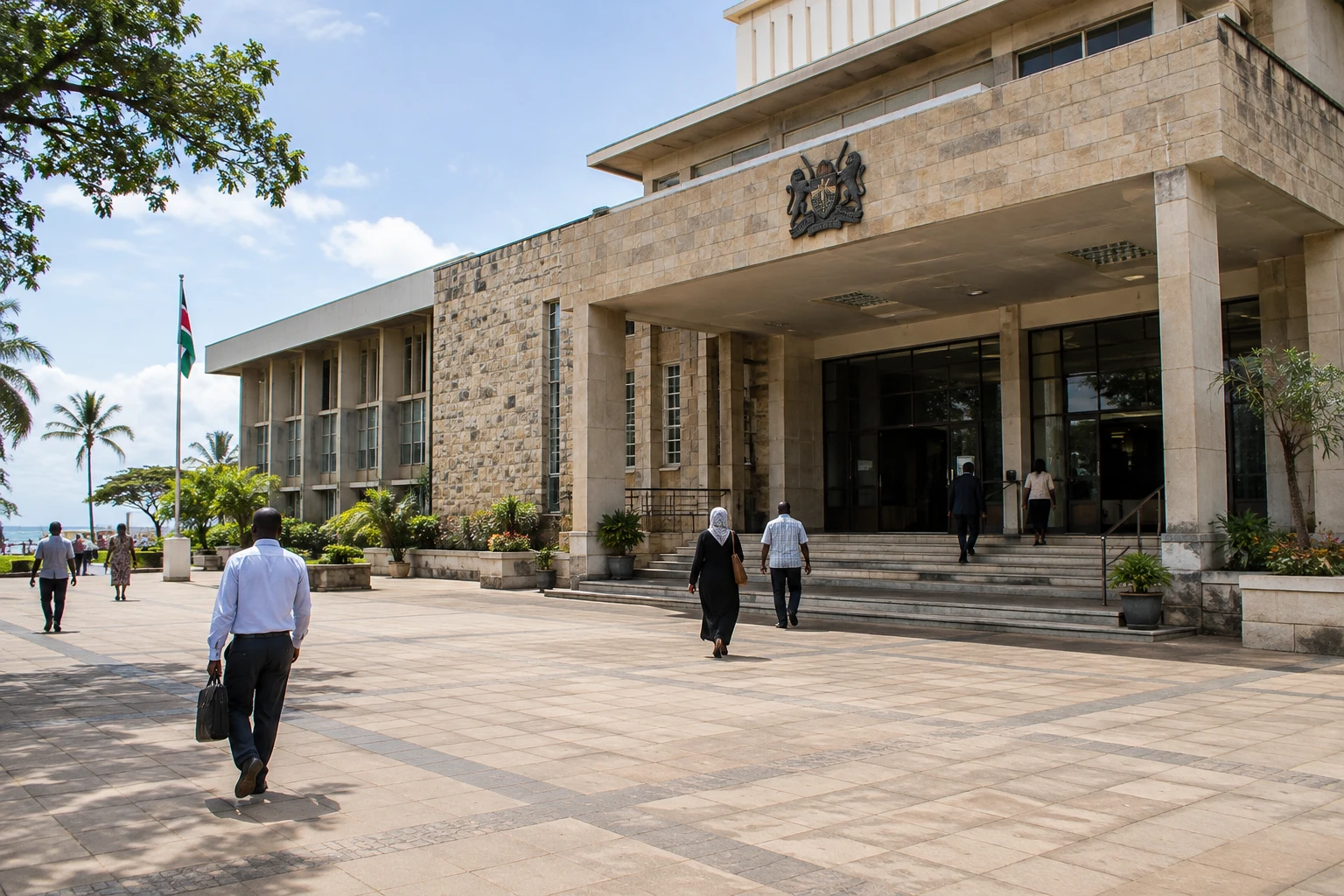
In Shakahola, the case is about more than the bodies found in pits. It also raises a central question for Kenya: how can children and worshippers be protected without confusing religious freedom with impunity? The ruling delivered in Mombasa on 19 October 2026 marks a major milestone, but it closes neither the other proceedings nor questions about the failures that preceded the tragedy.
A trial at the heart of a wider tragedy
Shakahola Forest is in the coastal county of Kilifi, near Malindi, far from Nairobi, Kenya’s capital. In 2023, the first exhumations uncovered pits containing the bodies of members of the Good News International Church, led by Paul Nthenge Mackenzie. The case subsequently revealed deaths linked to practices of extreme fasting preached in the name of a promise of salvation.
The case heard in Mombasa concerns 191 victims: 190 children and one adult. The High Court found Mackenzie and his co-accused guilty of murder, according to reports published by Kenyan media on 19 October. Judge Diana Kavedza-Mochache described children subjected to a fast whose consequences they could not understand, the Kenyan daily The Standard reports. Sentencing is due to take place later; the date of 6 November cited in some reports has yet to be confirmed by a judicial or independent source consulted.
The number of people covered by this trial does not match the total number of bodies exhumed. The Kenya National Commission on Human Rights recorded 429 bodies recovered in Shakahola in 2023. A Kenyan parliamentary report also cited 429 deaths, including one suspect who died in custody, and recommended examining the responsibilities of the authorities in charge of security. These figures cover different scopes: the 191 victims are those covered by this murder prosecution, not everyone who died in the case.
Judicial accountability, but several cases
The Mombasa ruling concerns a specific charge. It does not automatically resolve the other proceedings involving Mackenzie and people close to him. Separate cases concern, among other things, terrorism, ill-treatment of children and manslaughter charges. It is therefore necessary to distinguish the convictions handed down in this case from charges still being considered by other courts.
During the trial, the prosecution argued that Mackenzie had encouraged his followers to fast to death and that children had been forced to take part in the practice. The defence disputed the charges and said the deaths had not been imposed. The ruling determines the facts relevant to this trial; motives and responsibility should be reported on the basis of the evidence accepted by the court, rather than turned into general conclusions about religious beliefs.
The contrast between the 191 victims in the case and the 429 bodies recorded also highlights the difficulty of identifying all the victims and establishing the cause of each death. The Kenya National Commission on Human Rights documented the exhumations and rights-protection issues in its follow-up report on the Shakahola tragedy. The figure of 500 deaths, sometimes cited by organisations, should not be presented as an official toll established by the documents consulted.
Religious freedom and the duty to protect
The tragedy has prompted a difficult debate in Kenya: how can abuse be prevented without placing all religious communities under suspicion? Freedom of conscience and worship is protected, but it does not justify endangering children or violence. The challenge for institutions is to uphold fundamental rights while basing any intervention on verifiable facts and legal safeguards.
The Kenyan parliament examined the circumstances of Shakahola and made recommendations, including on the monitoring of religious organisations and possible failures by public officials. The National Commission on Human Rights, for its part, documented the toll and the issues of accountability. This work shifts part of the debate beyond the preacher alone: it also examines the warnings received, the police response and the ability of public services to act in a remote area.
The consequences differ for the people concerned. For families, the priority remains identifying the victims and being able to grieve. For child survivors, protection and access to education and healthcare are essential. For religious communities, the question is how to preserve their autonomy without allowing authoritative rhetoric to place their members beyond the reach of protection mechanisms. For the people of Kilifi, the case highlights the limits of an institutional response when warnings, investigations and rescue services must cover dispersed areas.
A closely watched signal in East Africa
Kenya is a member of the East African Community (EAC), a regional cooperation organisation for East African countries. The trial falls under the Kenyan justice system, but its lessons concern a shared regional question: how can people be protected from abuse committed under the guise of religious authority while fundamental freedoms and the independence of the courts are guaranteed?
What happens next will depend on the sentence announced by the court, the separate proceedings still under way and the follow-up to parliamentary recommendations. It will also be important to see whether Kenyan institutions clarify their reporting and child-protection mechanisms without introducing general surveillance of religious beliefs. The 19 October ruling provides a criminal justice response for 191 victims; it does not end the search for truth about all the deaths or the examination of public responsibility.