Algeria
 Egypt
 Libya
 Morocco
 Sudan
 Tunisia
 Benin
 Burkina Faso
 Cabo Verde
 Côte d'Ivoire
 Ghana
 Guinea
 Guinea-Bissau
 Liberia
 Mali
 Mauritania
 Niger
 Nigeria
 Senegal
 Sierra Leone
 The Gambia
 Cameroon
 Central African Republic
 Chad
 DR Congo
 Equatorial Guinea
 Gabon
 Republic of the Congo
 São Tomé and Príncipe
 Burundi
 Comoros
 Djibouti
 Eritrea
 Ethiopia
 Kenya
 Madagascar
 Malawi
 Mauritius
 Mozambique
 Rwanda
 Seychelles
 Somalia
 South Sudan
 Tanzania
 Uganda
 Angola
 Botswana
 Eswatini
 Lesotho
 Namibia
 South Africa
 Zambia
 Zimbabwe
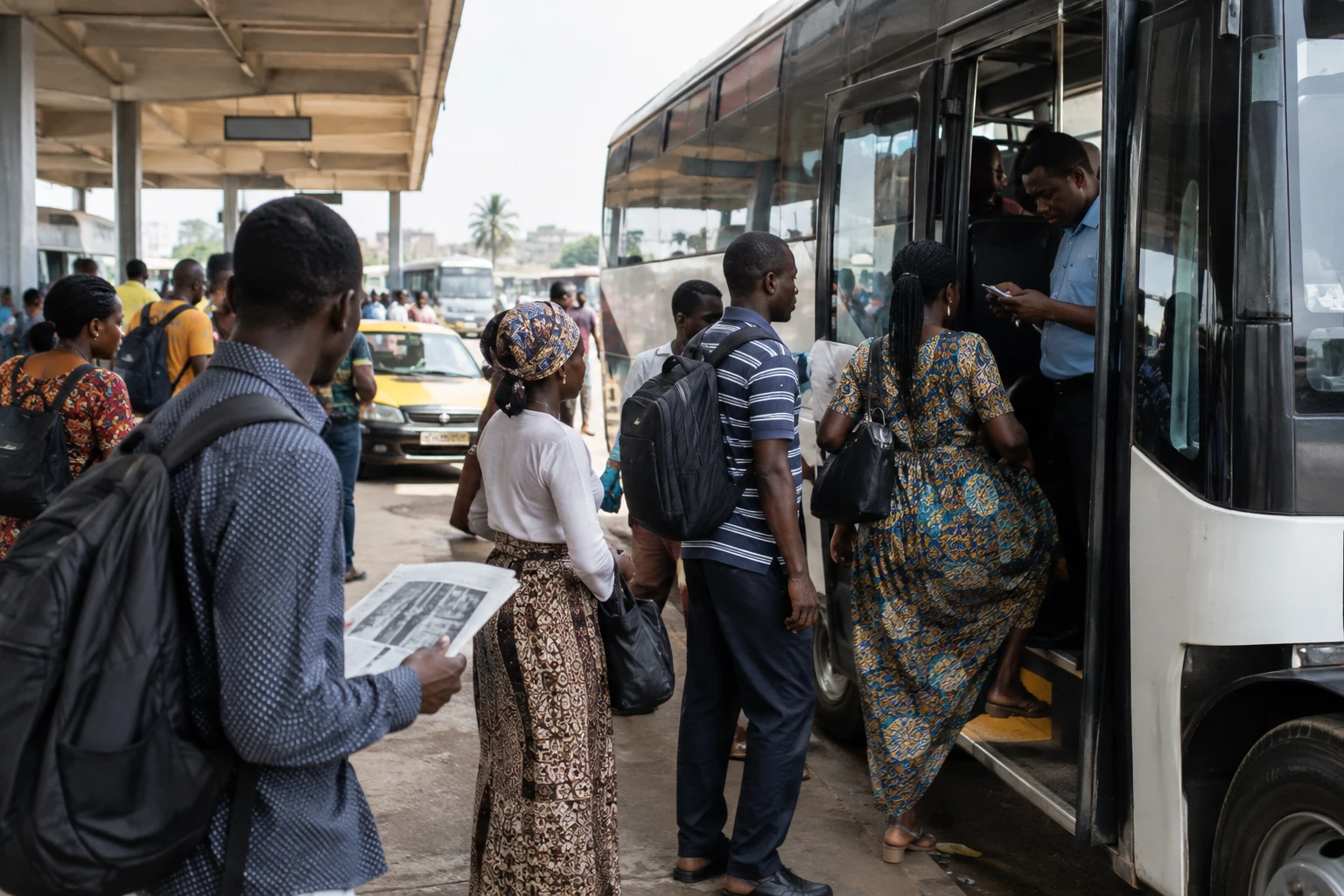
In Togo, the question is no longer only whether the authorities and their opponents can talk to each other. It is also about determining which institutional rules a dialogue could rely on, as the 2024 reform remains at the heart of a political and legal standoff.
A reform that changed the rules of the game
The current disagreement is rooted in Togo’s new Constitution. Adopted by the National Assembly on 25 March 2024 and promulgated on 6 May, it shifted the country from a semi-presidential system to a parliamentary one. It notably created the office of President of the Council, currently held by Faure Gnassingbé, and changed the method for appointing the head of state. Togo’s official portal outlines the Constitution’s institutional changes.
Supporters say the revision reorganises institutions around Parliament. Opponents, by contrast, see it as a change to the rules of power that has denied voters a direct say in choosing the president and could prolong Faure Gnassingbé’s presence at the top of the executive. These opposing interpretations explain why the debate goes beyond constitutional architecture alone: it also concerns the political legitimacy of the process.
The ECOWAS Court of Justice — the regional organisation bringing together West African states — delivered its ruling in a case brought by the Togolese League of Human Rights and other applicants. The judgment, dated 29 January 2026, finds that the revision of 25 March 2024 constitutes an unconstitutional change of government under Article 23 of the African Charter on Democracy. The ECOWAS Court of Justice summarises the grounds for its decision.
This conclusion should not, however, be confused with an order to establish a transition. The available text finds a violation, but does not explicitly prescribe the formation of a transitional government. The transition demanded by opponents is therefore their political claim, not a measure ordered by the ruling. This distinction is essential to understanding the debate without attributing to the regional court a decision it did not make.
Call for dialogue runs up against mistrust
The disagreement came back into the spotlight after Gilbert Bawara spoke before Parliament. Challenged by an opposition MP about Faure Gnassingbé’s priorities, the minister defended the President of the Council’s record and accused his critics of refusing discussions within the Permanent Consultation Framework (CPC), the political dialogue forum established by the authorities.
The Manifeste Génération Togo, which brings together several political groupings and civil society organisations, rejects the invitation. Its members say previous dialogues have failed to resolve fundamental disagreements. Nathaniel Olympio, spokesman for the Touche pas à ma Constitution coalition, says around 30 dialogues held since 1990 have produced no lasting results. This assessment is attributed to the opposition figure and is not an independently verified count.
The coalition now links its call for a transition to the ECOWAS ruling. It argues that political renewal should come before further institutional discussions. The authorities, by contrast, defend the CPC as a forum where parties can examine national issues and seek common ground. Togo’s official portal says its work brings political representatives together to discuss matters of national interest. The official presentation of the Permanent Consultation Framework details how it operates.
Gilbert Bawara also argues that Faure Gnassingbé remains open to national reconciliation initiatives. He points to divisions within the opposition, while opponents question the value of dialogue organised within the current institutions. This divide concerns not only trust between the parties but also the format of discussions: who sets the agenda, what decisions could emerge and how would they be implemented?
The political cost of a prolonged impasse
The positions of the two camps do not affect all Togolese in the same way. For political leaders, the immediate issue is recognition of the institutional framework and the ability to influence decisions. For residents, the consequences are less abstract: a prolonged crisis can push back debates on public services, employment, the cost of living and local authorities’ priorities.
Mistrust also limits the reach of dialogue, even when it takes place. If part of the opposition does not recognise the proposed framework, its conclusions risk being challenged before they are implemented. Conversely, the absence of discussions can leave disagreements over the Constitution and institutions without a political channel. Neither risk, on its own, establishes what the population as a whole wants: the positions reported here are those of identified political actors.
Togo’s political context is also marked by an opposition that does not always speak with one voice. Differences over participation in institutions, electoral strategies and the nature of any potential transition complicate efforts to find a common position. The authorities can point to the existence of the CPC, but holding meetings does not guarantee that the most critical actors consider the process inclusive or useful enough.
A test of credibility for the region
The ruling gives a national dispute a regional dimension. It puts ECOWAS up against a difficult question: how can it uphold its democratic standards when a member state disputes the political consequences that its opponents draw from a judgment? The case also concerns the reach of the African Charter on Democracy, adopted under the auspices of the African Union, which governs unconstitutional changes of government.
For now, the two interpretations remain far apart. Opponents are calling for a transition and contesting the legitimacy of the institutions established by the reform. The government defends the Constitution and proposes continuing consultations within the existing framework. What happens next will depend in part on how the ruling is interpreted and applied, but also on the ability of Togolese actors to agree on rules, an agenda and guarantees they consider credible. Beyond the standoff between Lomé and the opposition, confidence in regional mechanisms for resolving political disputes is at stake.